Sports Injury Treatment Bassendean: How Our Multidisciplinary Team Gets You Back in the Game Faster

You trained for months. You were hitting personal bests. Then one awkward landing, one sharp pivot, one overuse niggle you ignored — and suddenly you’re on the sidelines, googling “sports injury physio Bassendean” and wondering how long until you can run again.

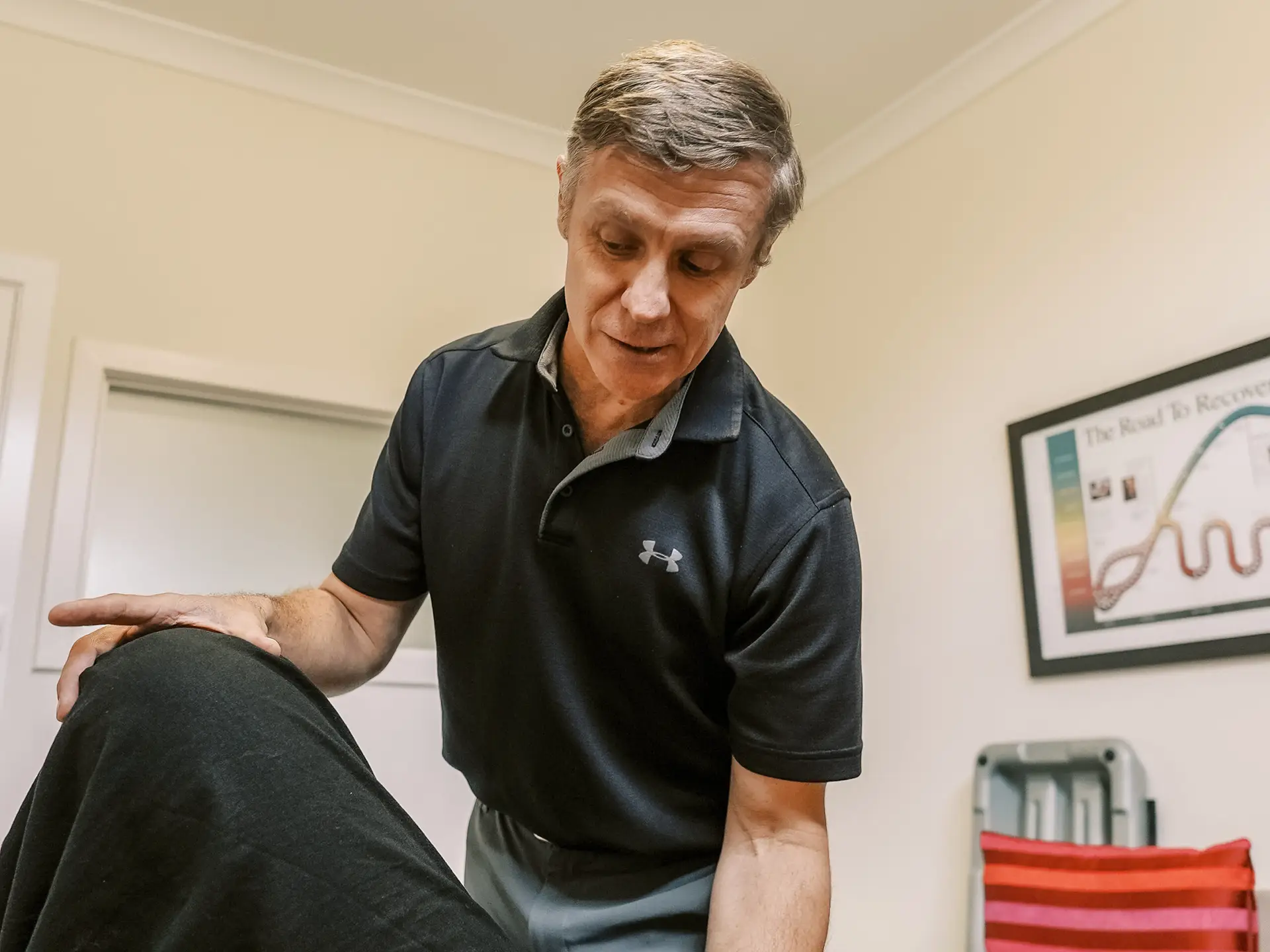
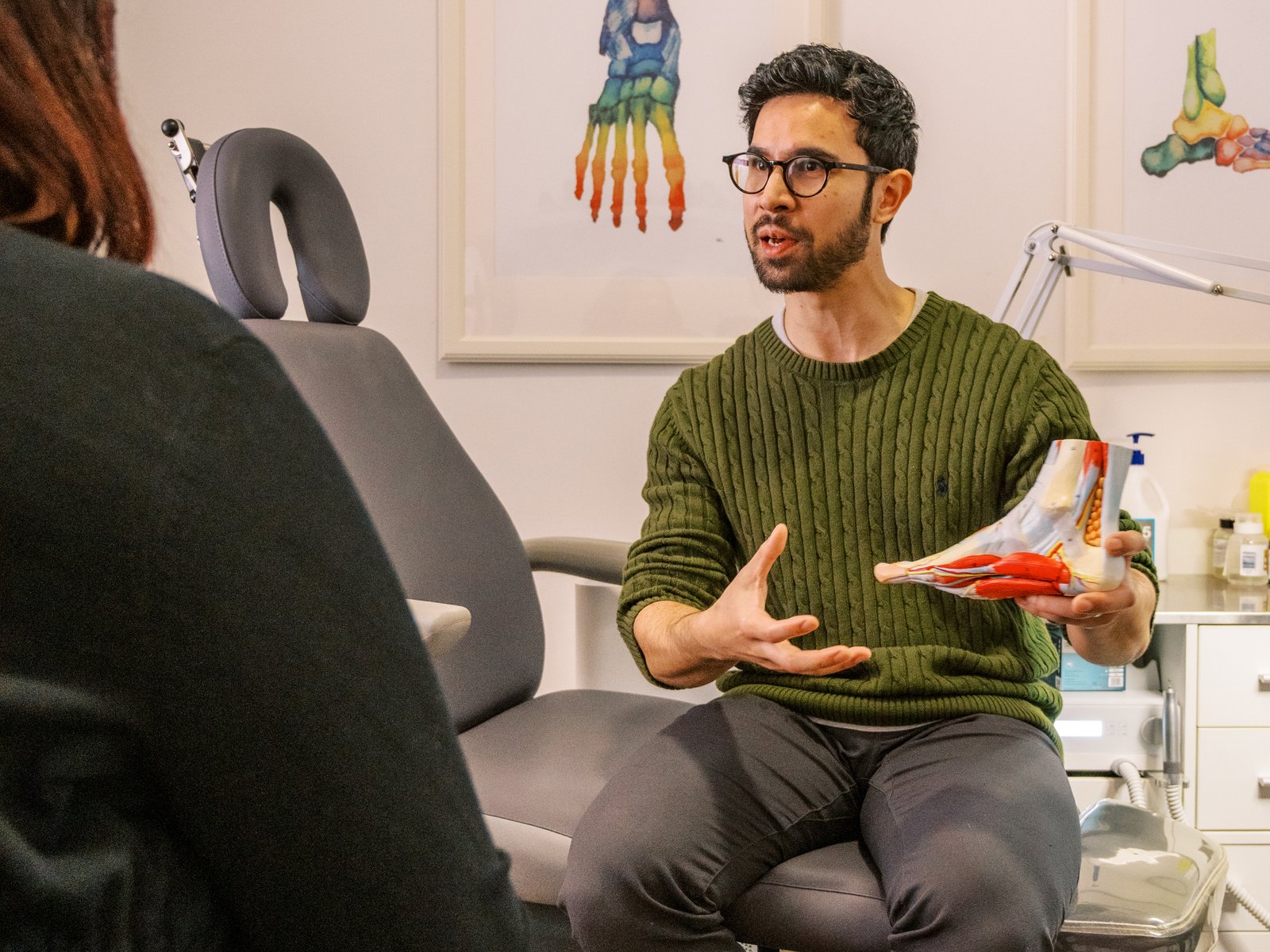
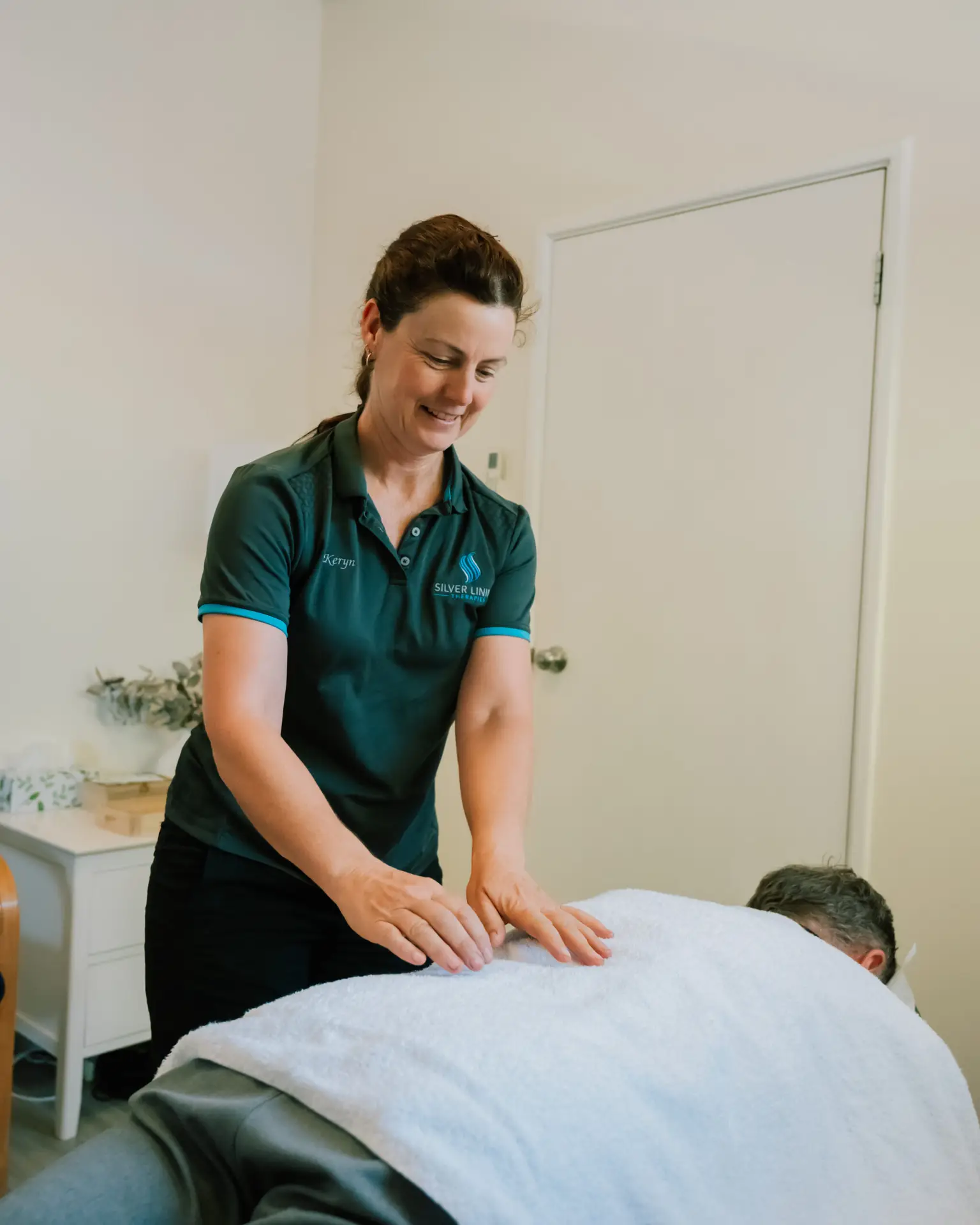
The answer depends on two things: the injury itself, and — critically — the team behind your recovery. At The Wellness Place (TWP) in Bassendean, sports injuries aren’t treated through a single lens. They’re managed by a multidisciplinary team of physiotherapists, sports podiatrists, chiropractors, exercise physiologists, and remedial massage therapists — all working together on one shared goal: getting you back to your sport, stronger than before.

Heel Pain: Why It Happens and How Podiatry Gets You Back on Your Feet

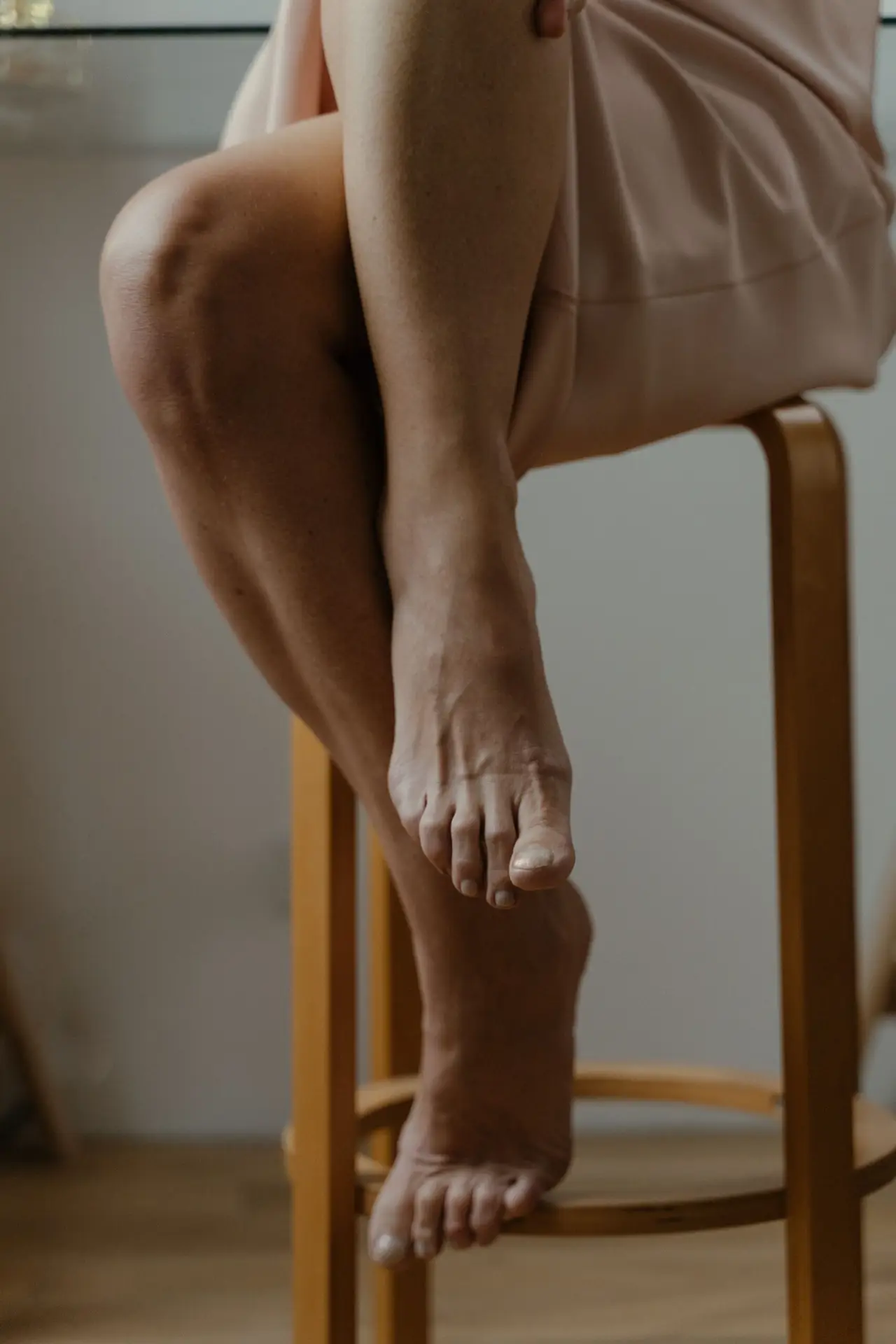
That first step out of bed in the morning — the one that feels like a nail driving through your heel — has a name. It’s called post-static dyskinesia, and it’s the hallmark of plantar heel pain, the most common condition seen in podiatry clinics Australia-wide. If you’ve been wincing through your mornings or cutting your walks short because of heel pain, you’re not alone — and more importantly, you don’t have to live with it.

Plantar heel pain affects roughly 10% of the population at some point in their lives, with runners, people who stand for work, and those carrying extra weight at highest risk. The condition accounts for an estimated 1% of all visits to healthcare professionals — and yet a surprising number of people wait months before seeking help, hoping it will resolve on its own. It rarely does.

Shoulder Pain: Causes, Diagnosis, and How Our Bassendean Team Gets You Back to Living

Shoulder pain stops you doing the things that matter. Reaching into a cupboard. Sleeping through the night. Throwing a ball with your kid. Swimming, lifting, driving — the shoulder is involved in almost everything, and when it hurts, your whole day shrinks around it.

Around 18–26% of adults experience shoulder pain at any given time, and it’s one of the top three musculoskeletal reasons people visit a health professional.1 The good news? Most shoulder conditions respond excellently to conservative, multidisciplinary care. The key is getting the right diagnosis and the right treatment plan — not just resting and hoping it goes away.