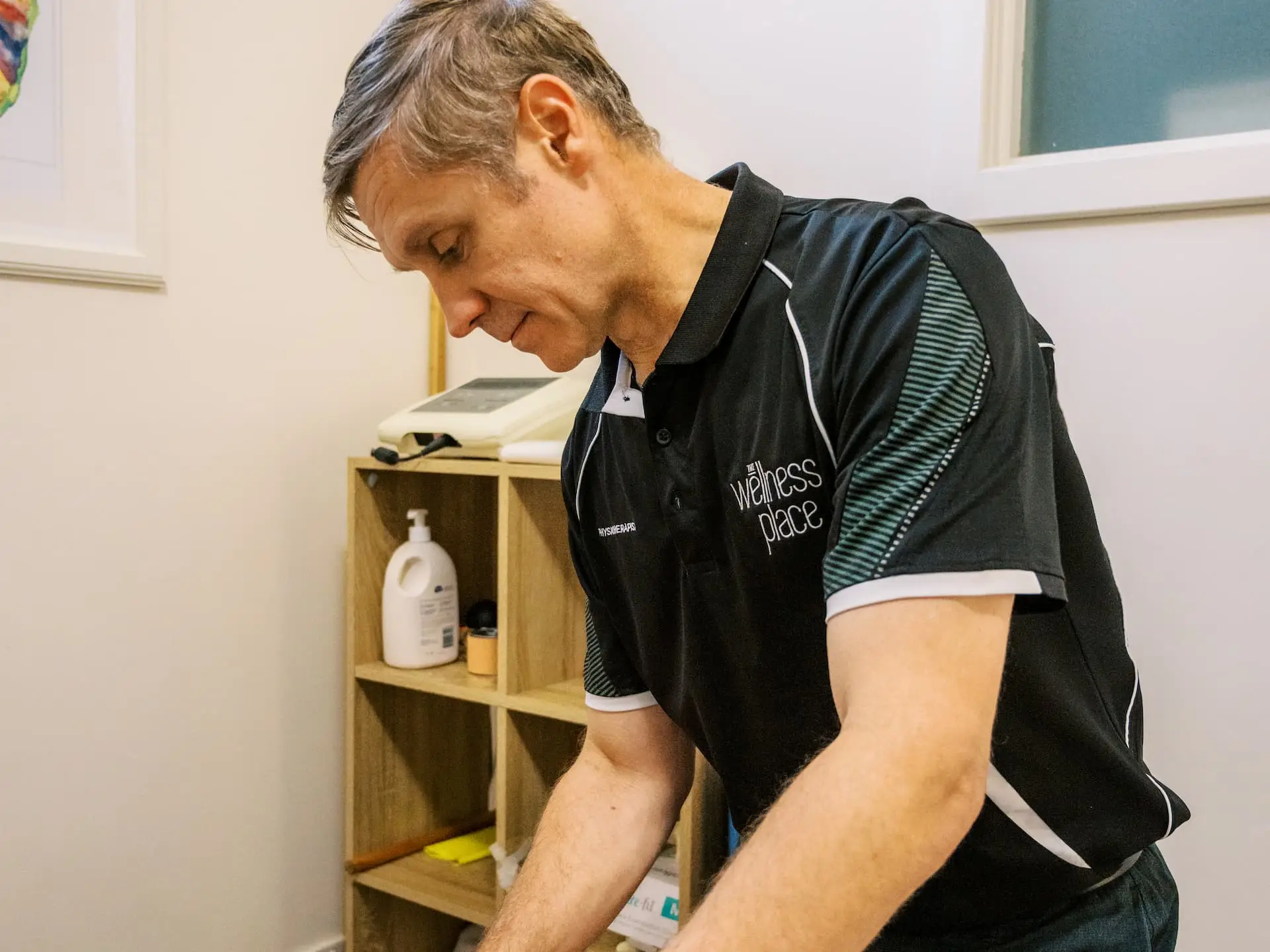
What to Expect at Your First Physiotherapy Appointment in Bassendean
What to expect at your first physiotherapy appointment in Bassendean. Assessment, treatment and what to bring from The Wellness Place.

What to expect at your first physiotherapy appointment in Bassendean. Assessment, treatment and what to bring from The Wellness Place.
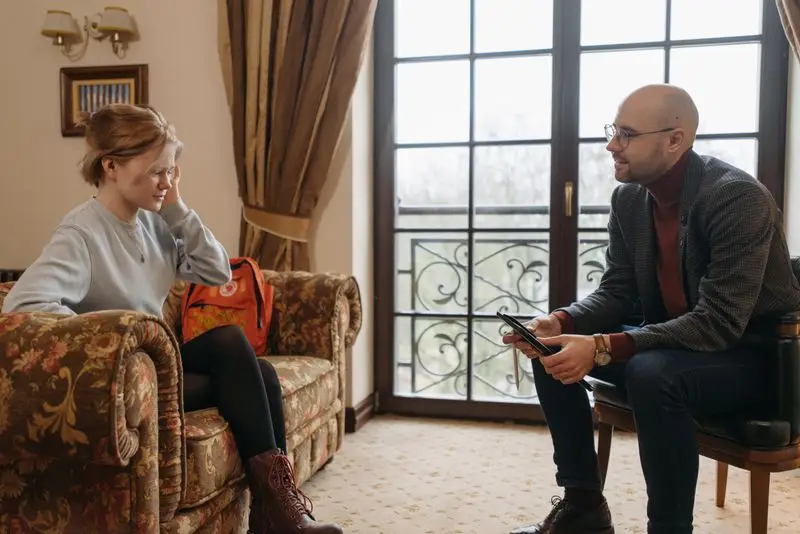
Managing anxiety and depression through psychology, exercise and lifestyle. A holistic approach at The Wellness Place Bassendean.
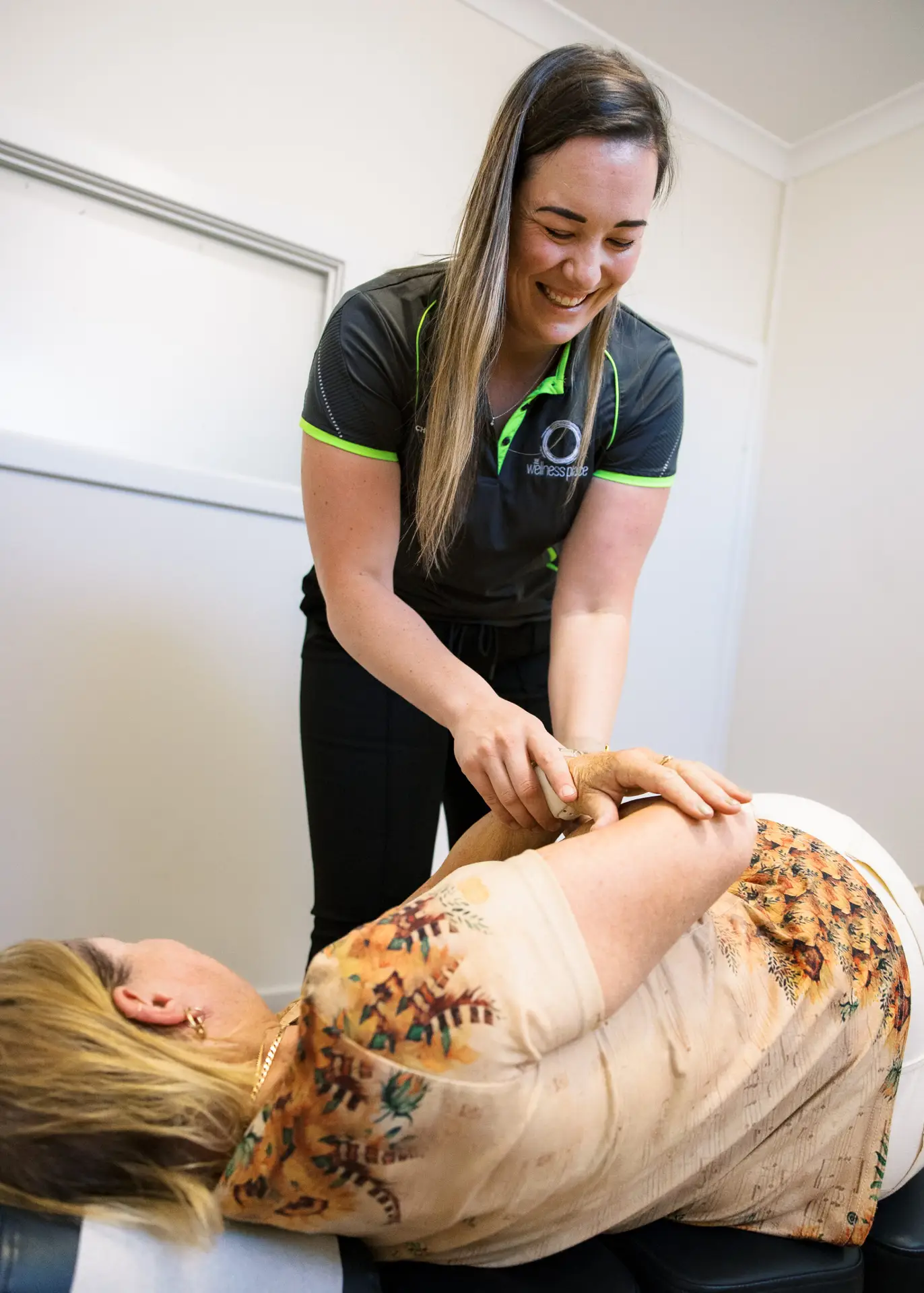
Sciatica causes, symptoms and chiropractic treatment options. Learn how The Wellness Place Bassendean helps relieve sciatic pain.

A sharp shooting pain from your lower back down your leg — that’s sciatica. Simple activities like sitting, driving, or sleeping become a struggle. The good news? For most people, chiropractic care offers a safe, drug-free path to relief.
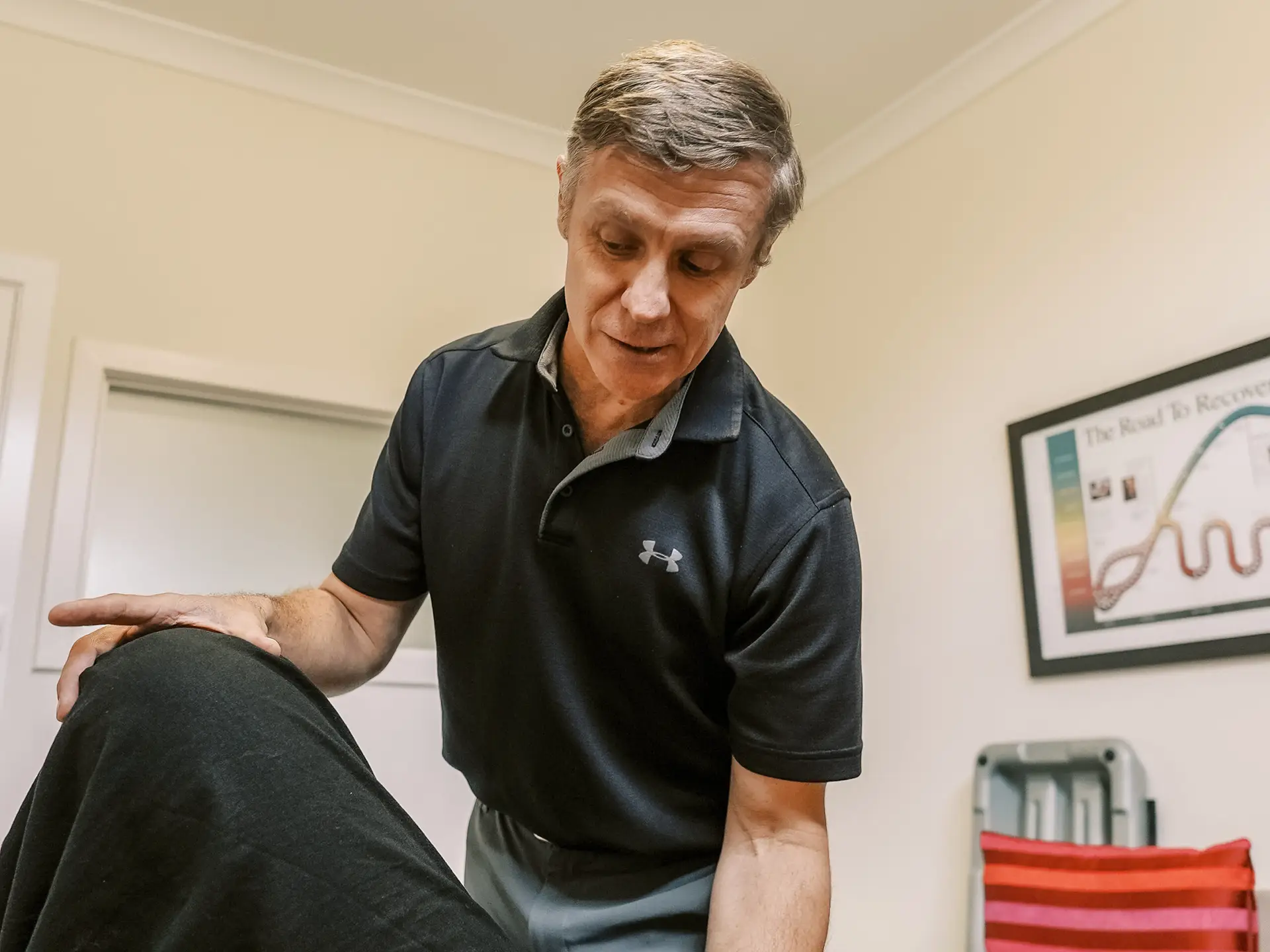
How physiotherapy helps you recover from sports injuries. Evidence-based rehab and return-to-sport at The Wellness Place Bassendean.
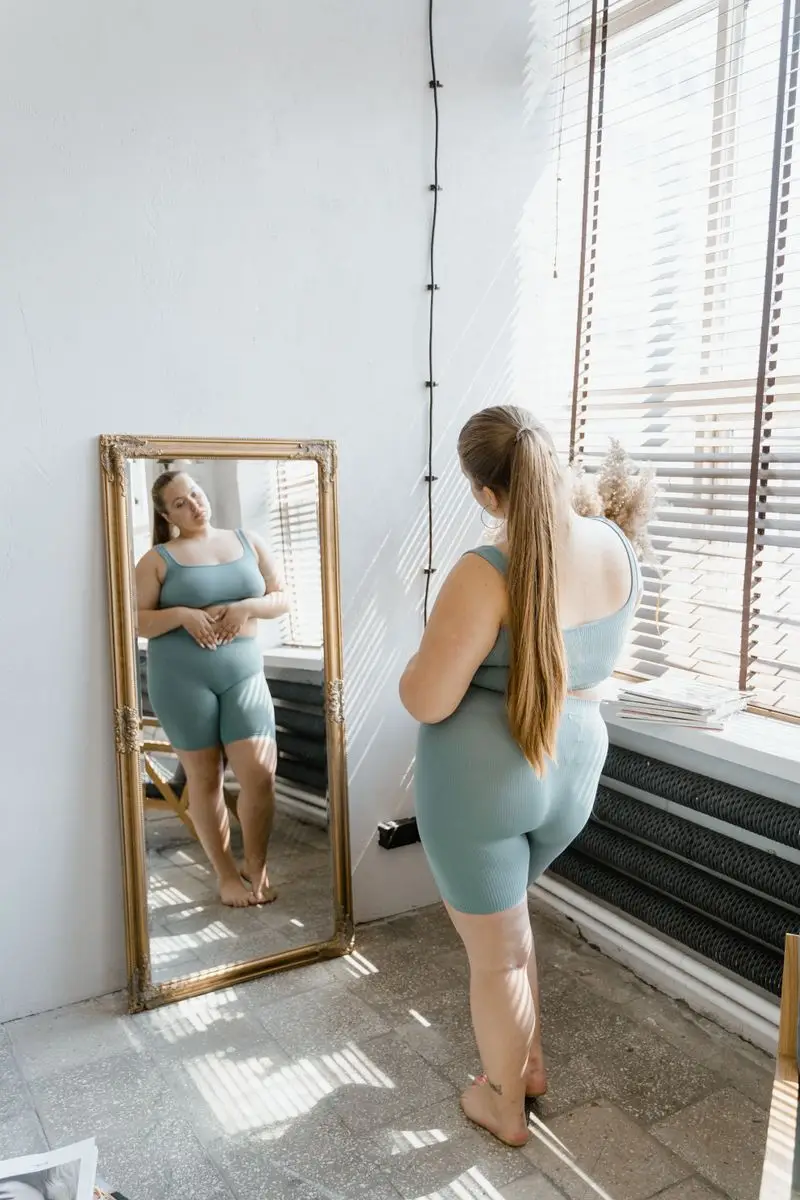
Body image concerns are among the most common yet least openly discussed sources of psychological distress. For many people, discomfort with their appearance is accompanied by deep feelings of shame, self-criticism, and disconnection. In a culture that places high value on appearance, the body can become a focal point for judgment rather than care. For those struggling, body dysmorphia counselling Bassendean residents can access offers a path toward compassion and healing.
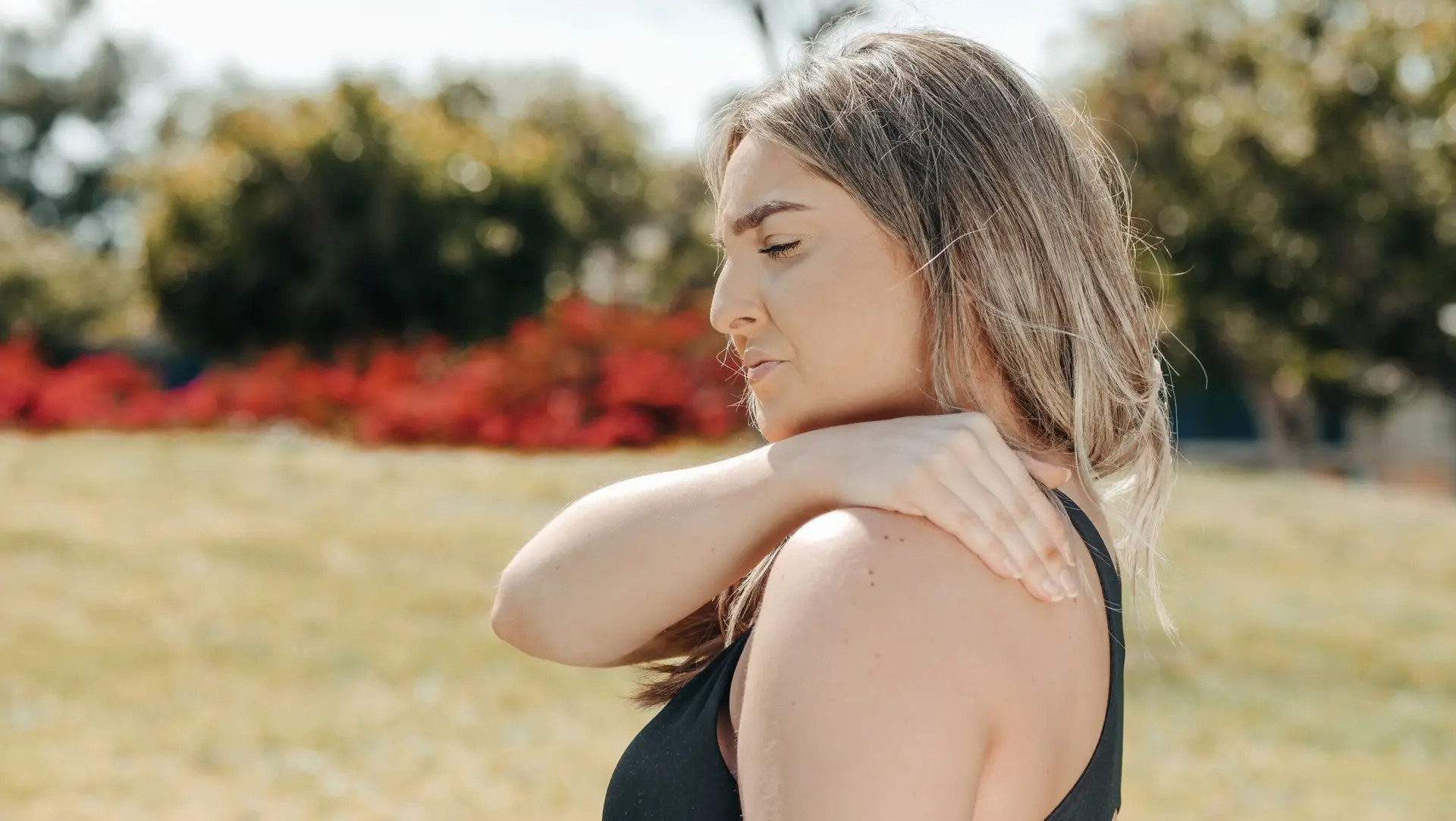
How chiropractic treatment helps neck pain and headaches. Evidence-based care at The Wellness Place Bassendean.
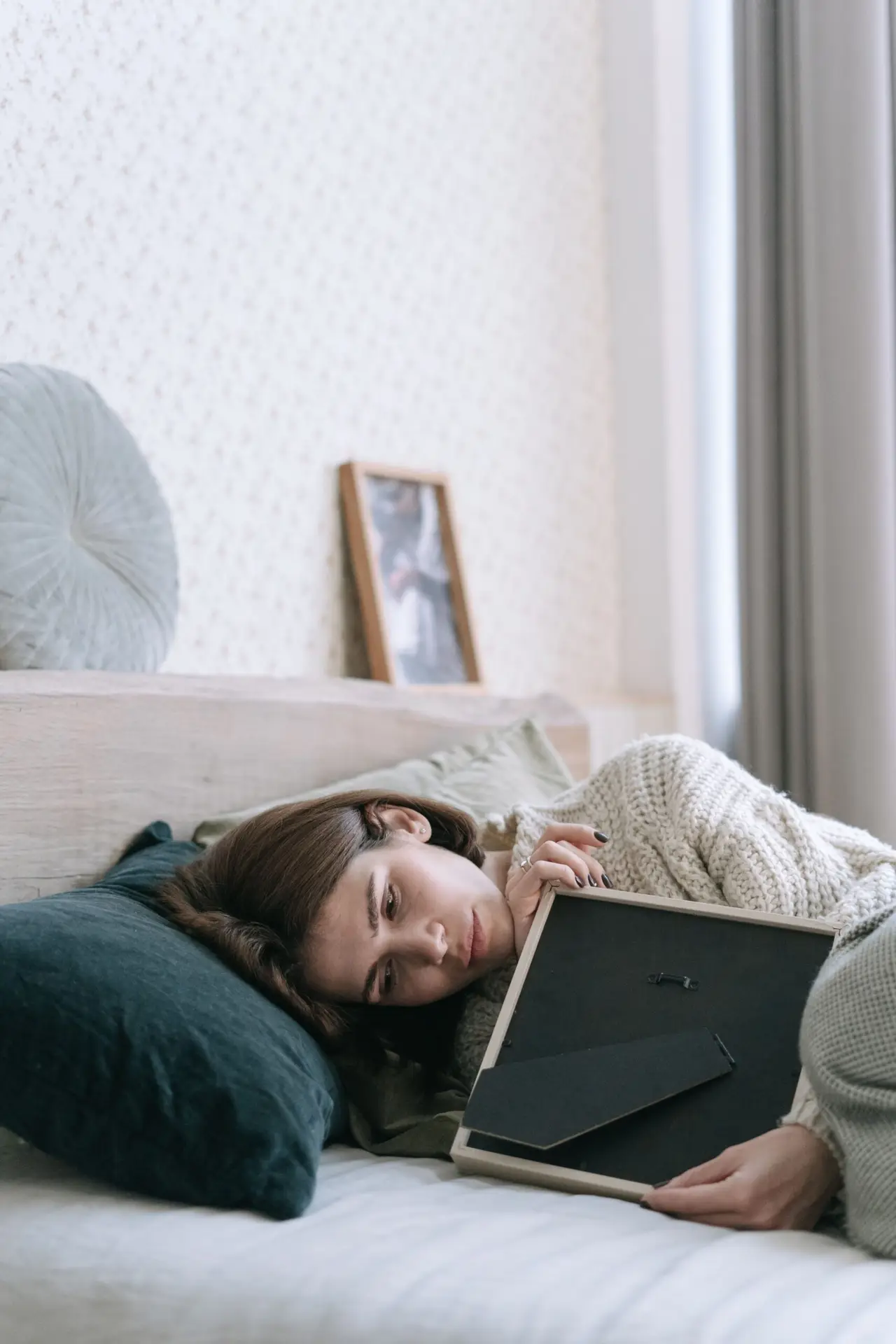
The loss of a mother can be one of the most profound and life-shaping experiences a person encounters. This is because the bond we share with our mothers from the womb lays the template for our first experience of love and connection. When that connection is severed, whether due to complications at birth, illness or death of the mother, or compromised maternal mental health, we can experience a strong disconnection from ourselves and our place in the world. Seeking mother loss counselling Bassendean families can access is an important step toward healing.
Low back pain affects more people worldwide than almost any other condition. Whether it’s a sharp twinge or a dull ache, it has a way of stopping you in your tracks. The good news? For most people, it’s manageable and highly treatable without surgery. If you’re looking for lower back pain treatment in Bassendean, here’s what you need to know.
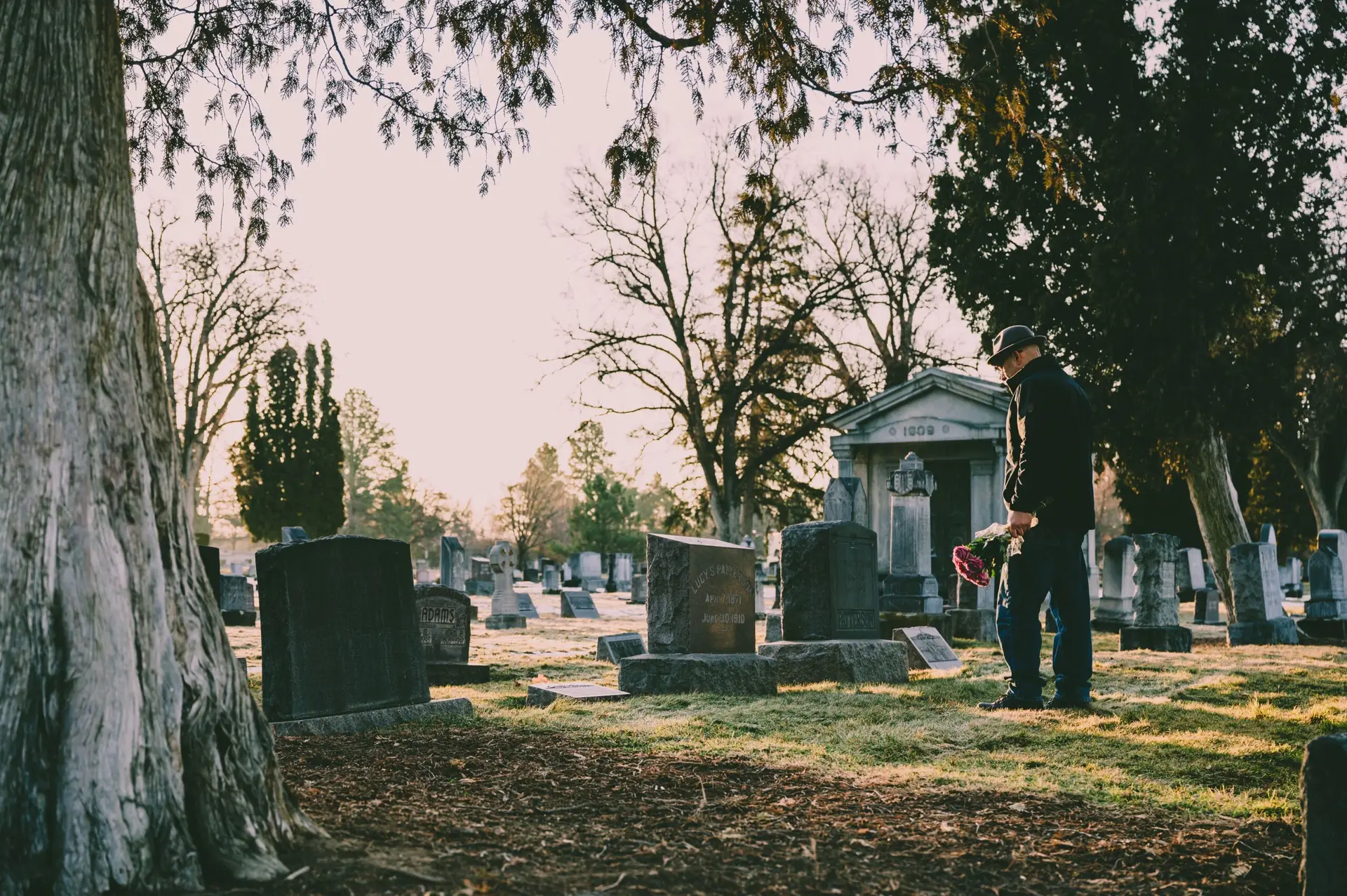
Recognising when grief counselling can help. Support for loss, bereavement and complicated grief at The Wellness Place Bassendean.