Shockwave Therapy: A Non-Invasive Fix for Chronic Heel and Tendon Pain
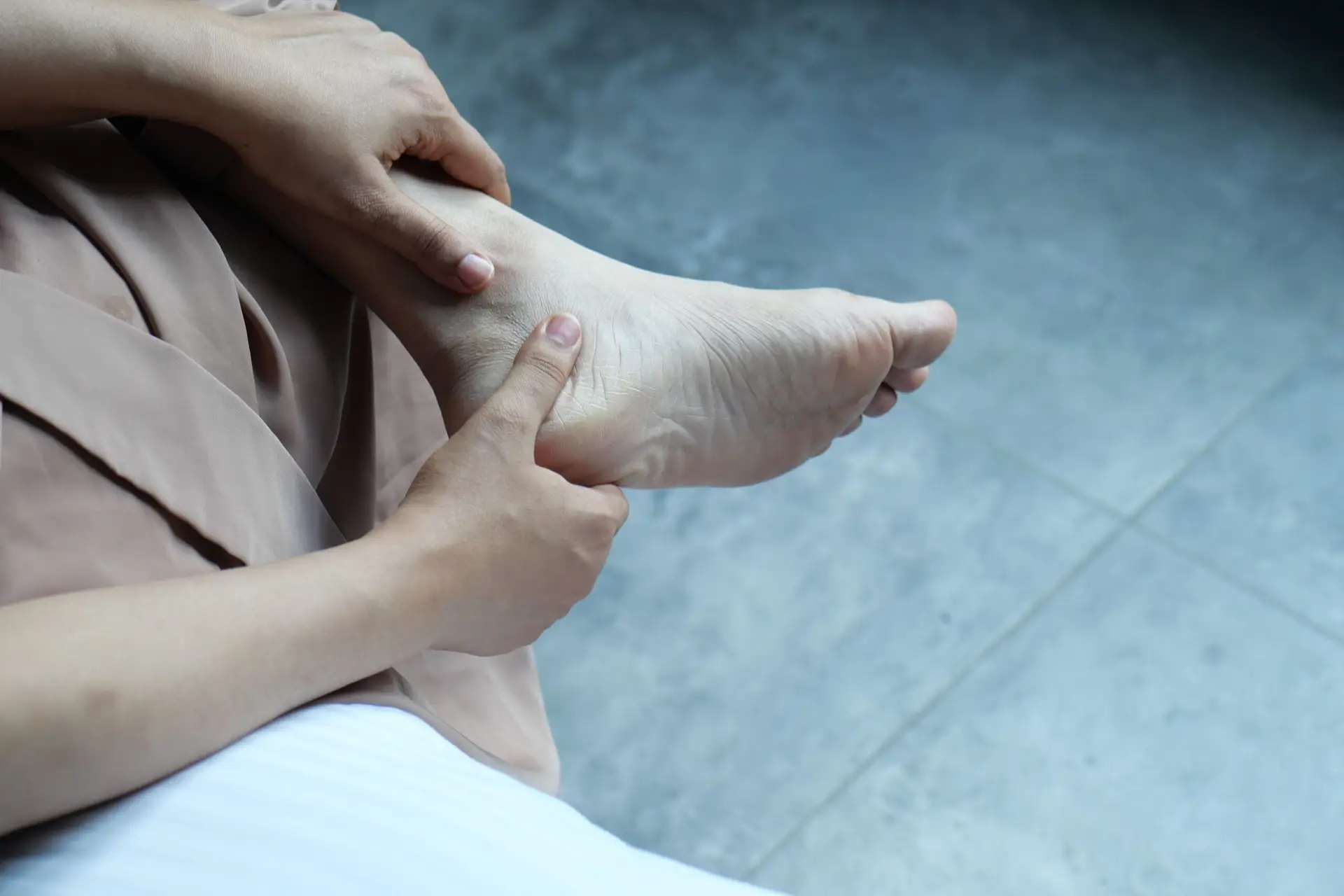
Waking up and hobbling to the bathroom on a heel that feels like you’re stepping on a bruise is no way to start the day. If that’s been your reality for months — or even years — you’ve probably already tried rest, ice, stretches, and a new pair of shoes, only for the ache to creep straight back the moment you get moving again.
Shockwave therapy Bassendean is a non-invasive, drug-free treatment that uses acoustic pressure waves to wake up your body’s own healing response in stubborn tendons and soft tissue. At The Wellness Place in Bassendean, our podiatrists use it most often for plantar fasciopathy, Achilles tendinopathy, and chronic heel pain — the kind that hasn’t budged with other treatments. Here’s how it works, what it actually feels like, and what the evidence says.
What is radial shockwave therapy?
Radial shockwave therapy (also called extracorporeal shock wave therapy, or ESWT) delivers fast, high-energy acoustic pulses through a handheld applicator pressed against your skin. It’s nothing like the shockwaves used to break up kidney stones — the energy levels are far lower, and the waves spread out across a broader patch of tissue rather than concentrating on a single deep point.
There are no needles, no incisions, and no anaesthetic — and a typical session takes just 10 to 15 minutes, so you can get straight back to your day.
How does shockwave therapy Bassendean work?
At its heart, shockwave therapy works through a process called mechanotransduction — a fancy word for turning mechanical pressure into a biological signal. When the acoustic pulses hit a damaged tendon or fascia, they create a controlled, microscopic disturbance in the tissue, and your body reads that as a signal to get to work.
A jump-start for stalled healing
Chronic tendon and heel pain usually isn’t an active injury — it’s a healing process that stalled. Shockwave therapy restarts it by boosting blood flow to the area, encouraging new collagen to form, and helping the tissue remodel stronger than before.
Turning down the volume on pain
The pulses also appear to desensitise the overactive pain nerves in the area. Many people notice their pain dials down within a few sessions, even before the tissue itself has fully remodelled.
Conditions we treat with shockwave therapy
Shockwave therapy isn’t for every ache and pain, but it’s a strong option for chronic conditions that haven’t responded to usual first-line care. These are the three we see most often.
Plantar fasciopathy (plantar fasciitis)
The thick band of tissue under your arch — the plantar fascia — can become irritated right where it attaches to the heel bone. That’s the classic “first steps in the morning” heel pain. Shockwave therapy is one of the most studied treatments for this condition, particularly when stretching and orthotics haven’t been enough.
Achilles tendinopathy
Pain and stiffness at the back of the heel, often worse first thing in the morning or after exercise. Because the Achilles tendon has a notoriously poor blood supply, it can be slow to heal — which is exactly the kind of case where shockwave’s blood-flow boost makes a real difference.
Chronic heel pain
Not all heel pain is plantar fasciopathy. Whether it’s insertional Achilles pain, a stubborn heel spur, or diffuse soreness that’s been hanging around for months, shockwave therapy can help settle tissue that’s been grumbling far too long.
What does a session actually feel like?
Most people describe the sensation as a firm, rapid tapping — like a small hammer drumming against the skin — sometimes with a sharp or “zingy” edge over the most tender spots. It’s uncomfortable for short bursts, but not unbearable, and each pulse lasts only a fraction of a second.
During treatment
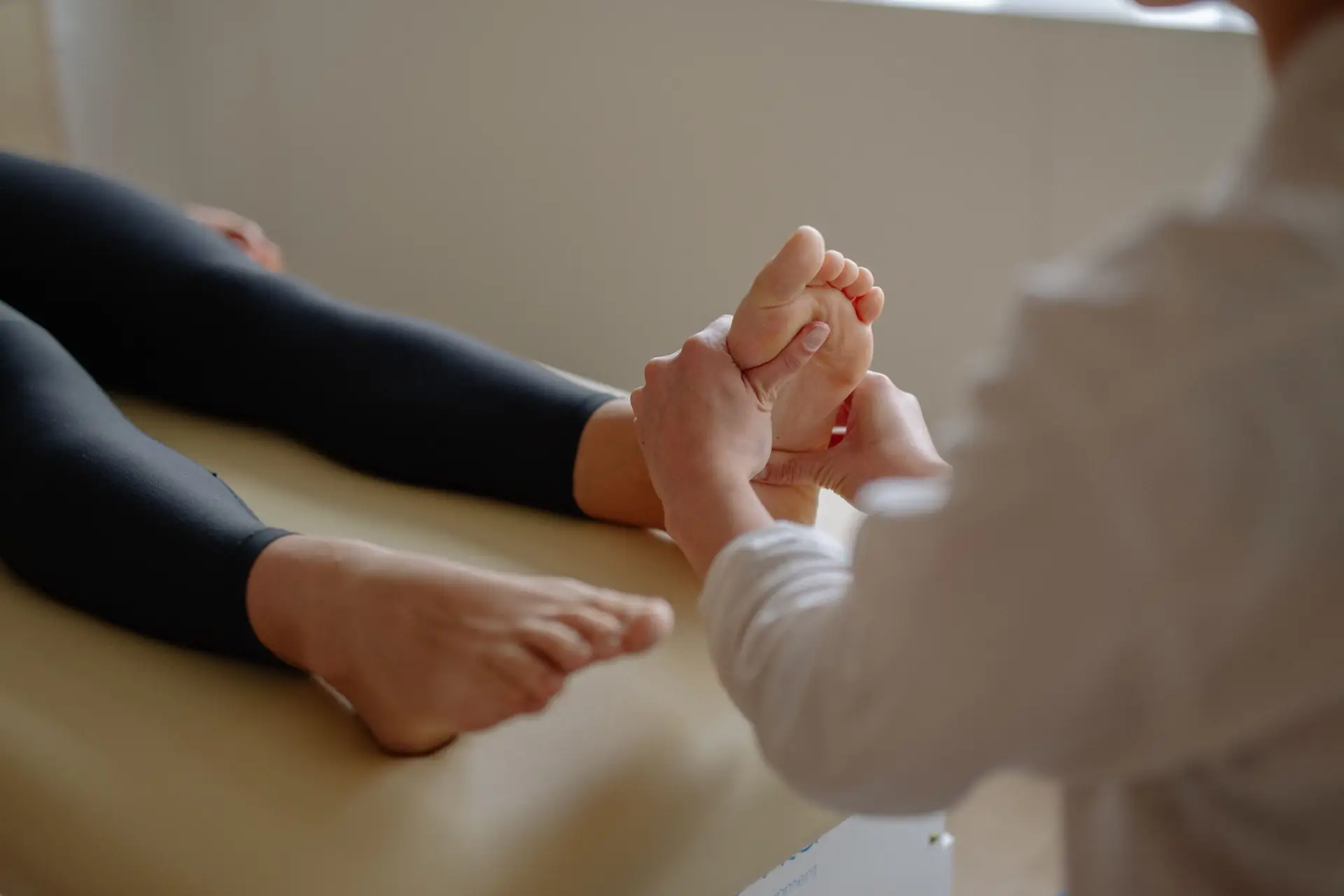
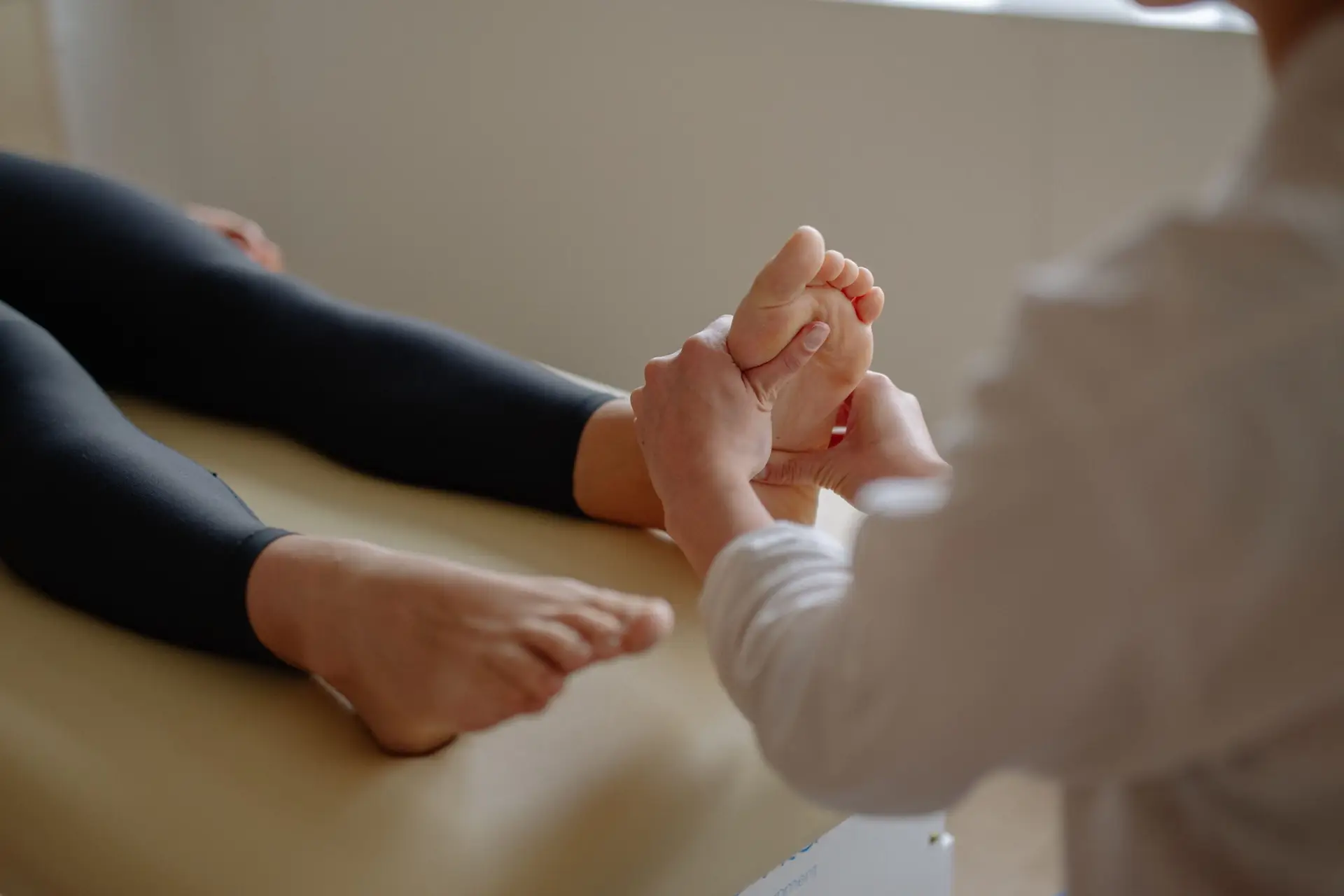
Your practitioner marks out the painful area and runs the applicator over it for 10 to 15 minutes. You stay awake throughout, and if a spot feels too intense the pressure can be adjusted to suit you.
After treatment
It’s normal to feel a little tender, even slightly bruised, for a day or two afterwards. You might notice a dull ache that evening — that’s the healing response kicking in, and it usually settles quickly. Most treatment plans run three to five sessions, spaced about a week apart.
The evidence behind shockwave therapy
There’s a substantial body of research behind shockwave therapy, particularly for heel and tendon pain.
A 2013 systematic review in the journal Foot & Ankle International concluded there was “satisfactory evidence” for low-energy shockwave therapy in treating chronic Achilles tendinopathy, before patients need to consider surgery. For plantar fasciitis, a randomised, placebo-controlled, double-blinded, multicentre trial concluded that shockwave therapy was both effective and safe for people with chronic proximal plantar fasciitis that hadn’t responded to exhaustive conservative treatment. More recently, a 2024 systematic review in BMC Sports Science, Medicine and Rehabilitation found that shockwave therapy significantly reduced pain across a range of tendinopathies.
The honest caveat: results vary from person to person, and shockwave works best as part of a broader plan — paired with strengthening, load management, and sometimes orthotics — rather than as a magic one-off fix. That’s exactly how we approach it at The Wellness Place.
Is shockwave therapy right for you?
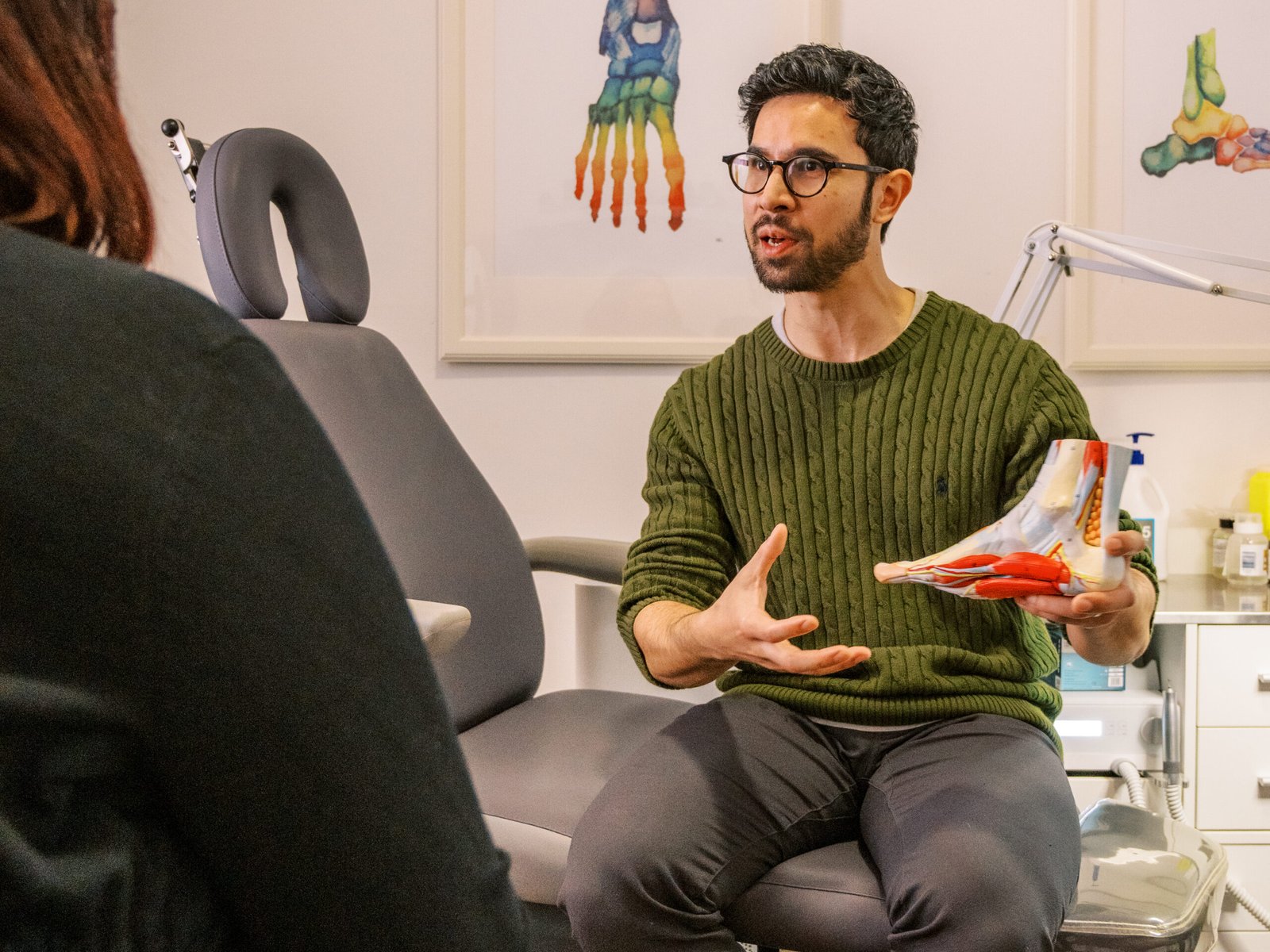
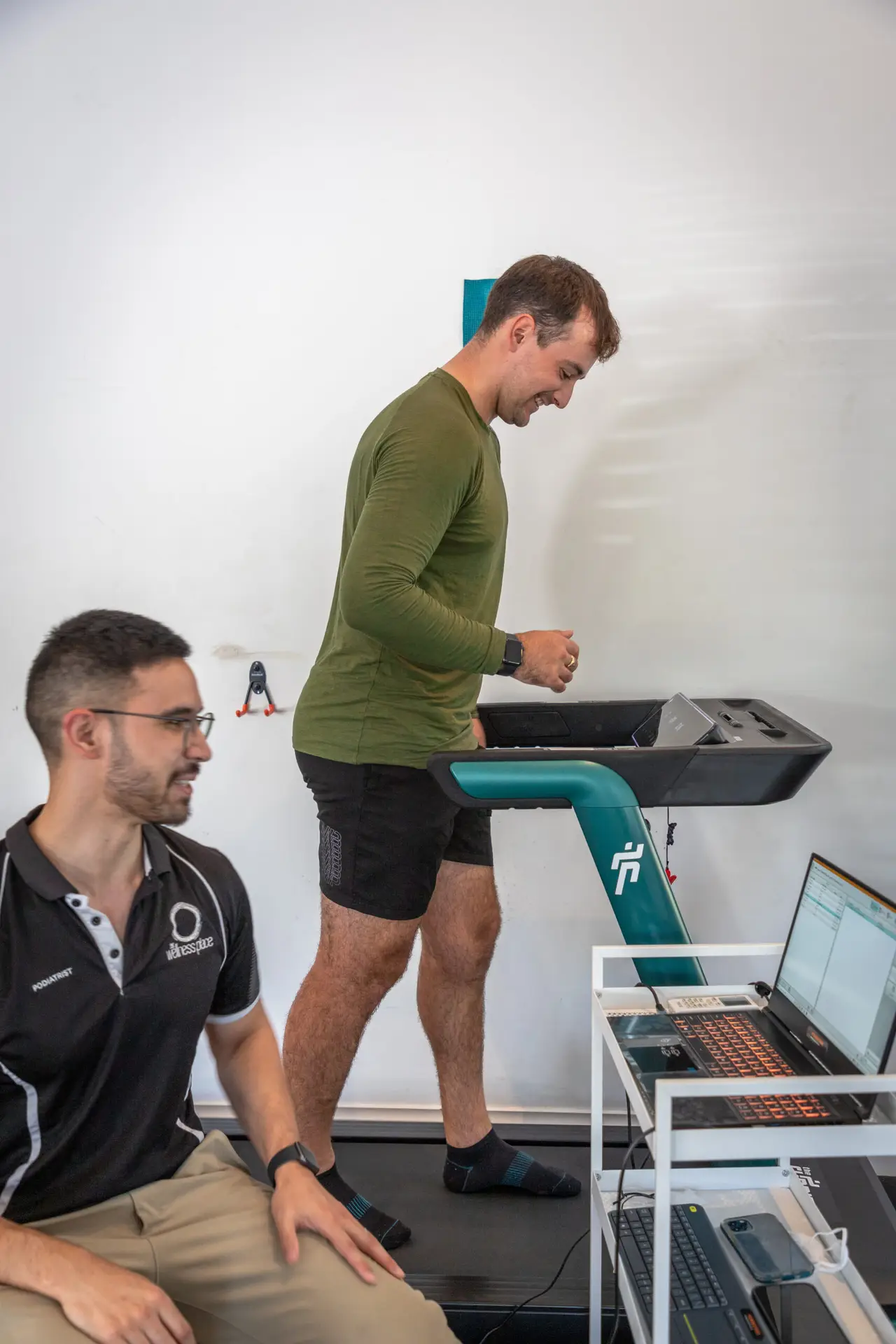
If you’ve been dealing with heel or tendon pain for more than a few months and it isn’t improving, shockwave therapy is worth a conversation. Our podiatrists at The Wellness Place Bassendean will assess what’s actually driving your pain first — because the right treatment always starts with the right diagnosis. And because chronic pain rarely has a single cause, we’ll work alongside our physiotherapists and chiropractors to make sure nothing gets missed.
Ready to find out whether shockwave therapy could help you? Call The Wellness Place Bassendean on (08) 9379 3838, or drop into our clinic at 9 Old Perth Road, Bassendean, to book an appointment. Your feet have been carrying you this far — let’s give them a hand.
References
- Al-Abbad H, Simon JV. The effectiveness of extracorporeal shock wave therapy on chronic Achilles tendinopathy: a systematic review. Foot & Ankle International. 2013;34(1):33–41. https://pubmed.ncbi.nlm.nih.gov/23386759/
- Extracorporeal shockwave therapy versus placebo for the treatment of chronic proximal plantar fasciitis: a randomized, placebo-controlled, double-blinded, multicenter intervention trial. https://pubmed.ncbi.nlm.nih.gov/16818146/
- The effect of extracorporeal shock-wave therapy on pain in patients with various tendinopathies: a systematic review and meta-analysis of randomized controlled trials. BMC Sports Science, Medicine and Rehabilitation. 2024. https://link.springer.com/article/10.1186/s13102-024-00884-8