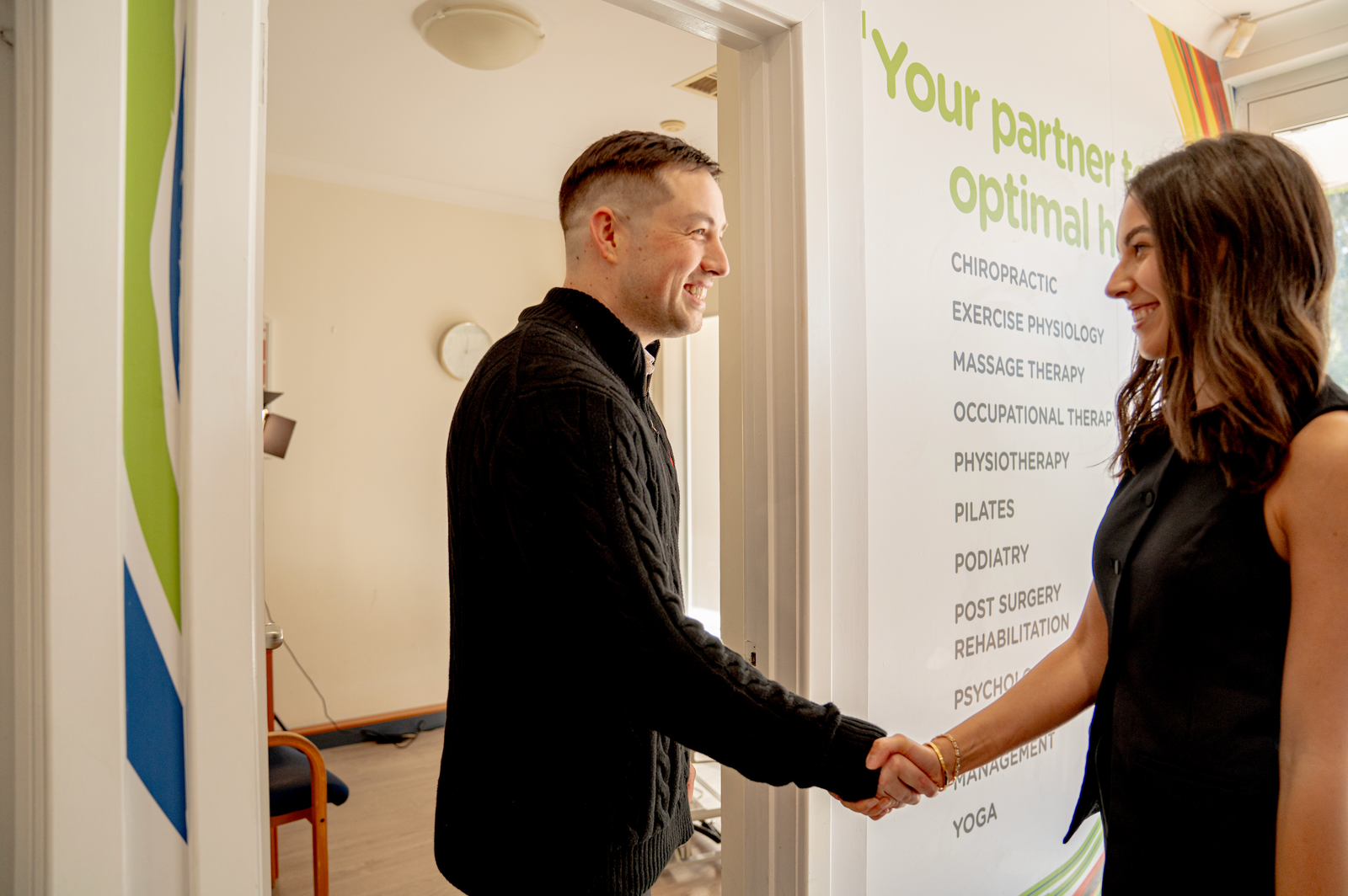
Sports Injury Treatment Bassendean: How Our Multidisciplinary Team Gets You Back in the Game Faster

You trained for months. You were hitting personal bests. Then one awkward landing, one sharp pivot, one overuse niggle you ignored — and suddenly you’re on the sidelines, googling “sports injury physio Bassendean” and wondering how long until you can run again.

The answer depends on two things: the injury itself, and — critically — the team behind your recovery. At The Wellness Place (TWP) in Bassendean, sports injuries aren’t treated through a single lens. They’re managed by a multidisciplinary team of physiotherapists, sports podiatrists, chiropractors, exercise physiologists, and remedial massage therapists — all working together on one shared goal: getting you back to your sport, stronger than before.
Why Single-Discipline Treatment Often Falls Short

Imagine a runner with recurrent shin pain. A physio-only approach might focus on strength and load management — which is essential. But what about the runner’s foot mechanics? A podiatrist identifies overpronation that’s overloading the posterior tibialis tendon. What about their spinal alignment affecting hip drop on the painful side? A chiropractor addresses the pelvic asymmetry. Meanwhile, an exercise physiologist builds a progressive return-to-run program that the physio’s rehab alone didn’t cover.

None of these disciplines is “wrong” — but each sees only part of the picture. Research consistently shows that multidisciplinary rehabilitation produces better outcomes than single-modality care for sports injuries, particularly for complex or recurrent cases (Dhillon et al., 2017). At TWP, this isn’t a referral merry-go-round — it’s a coordinated team under one roof at 103 Old Perth Road.

Common Sports Injuries We Treat in Bassendean

Perth’s active lifestyle — from weekend footy at Bassendean Oval, netball at the recreation centre, to running along the Swan River — produces predictable injury patterns. Here are the most common we see at The Wellness Place:

Ankle Sprains and Chronic Ankle Instability

The classic “rolled ankle” in basketball, netball, or soccer. While most grade I-II sprains heal in 4-6 weeks, up to 40% of people develop chronic ankle instability (Doherty et al., 2014). Our physiotherapists address proprioception and strength deficits, while our podiatrists assess biomechanical contributors and may prescribe orthotics or footwear changes to prevent recurrence.

Knee Injuries: ACL, Meniscus, and Patellofemoral Pain

Knee injuries range from acute trauma (ACL tears in football, meniscus damage from twisting) to overuse syndromes like patellofemoral pain in runners. Surgery may be required for complete ACL ruptures, but prehabilitation and post-operative rehabilitation are where outcomes are won or lost. Our physiotherapists guide rehab phases, exercise physiologists build strength programs, and podiatrists correct lower-limb biomechanics that contributed to the injury.

Shoulder Injuries in Overhead Athletes

Swimmers, tennis players, cricketers, and CrossFit athletes all place extreme demands on the shoulder. Rotator cuff tendinopathy, impingement, and labral tears are common. Chiropractic care addresses thoracic spine mobility — which directly affects shoulder range — while physiotherapy targets rotator cuff strength and scapular control. Combined, these approaches address the kinetic chain rather than just the painful structure.

Hamstring Strains and Lower Limb Overuse

Hamstring injuries are the most common soft tissue injury in sprinting sports, with a recurrence rate of 12-31% (Petersen et al., 2011). Our podiatrists examine running gait and foot strike patterns; physiotherapists address eccentric strength deficits and neuromuscular control; remedial massage therapists manage scar tissue and muscle tone through the recovery phases.

The Four Phases of Sports Injury Recovery

Modern sports rehabilitation follows a staged, criteria-based model — not a calendar-based one. You progress when your body is ready, not when a fixed number of weeks have passed.

Phase 1: Acute Management (Days 0-7)

Protection, optimal loading, ice, compression, elevation (POLICE principle). Early diagnosis is critical — our physiotherapists and chiropractors provide hands-on assessment to rule out fractures, complete ruptures, or surgical cases. Pain management and inflammation control set the foundation. Remedial massage can reduce protective muscle spasm in surrounding tissues.

Phase 2: Recovery and Restoration (Weeks 1-6)

Range of motion exercises, gentle strengthening, and neuromuscular re-education. This is where the multidisciplinary advantage shines: your physio progresses your rehab exercises, your chiropractor ensures joint mobility isn’t compromised by compensatory patterns, and your exercise physiologist begins introducing controlled load in ways that don’t aggravate the injury.

Phase 3: Sport-Specific Retraining (Weeks 4-12)

Movement patterns that mimic your sport — cutting drills, plyometrics, throwing progressions, running gait retraining. Our exercise physiologists design programs that bridge the gap between “rehabbed” and “game-ready.” Podiatrists ensure foot and ankle mechanics aren’t creating compensatory load further up the chain.

Phase 4: Return to Sport (Variable)

You’re running, jumping, and moving well — but are you ready for competition? Return-to-sport decisions should be criteria-based: strength symmetry within 10% of the uninjured side, psychological readiness, sport-specific testing. Rushing this phase is the #1 cause of re-injury. Our team uses objective testing — not guesswork — to clear you for return.

What Makes The Wellness Place Different

  • One location, one team: No driving between clinics for physio, podiatry, and chiro appointments. Your entire rehab team is at 103 Old Perth Road, Bassendean.
  • Shared clinical notes: Your physio knows what your podiatrist found. Your chiro knows what exercises your EP has programmed. No contradictory advice.
  • Biomechanics expertise: Our podiatrists (led by Dr Aaron Gregory) use 3D gait analysis and custom orthotics to address the root cause of lower-limb overuse injuries.
  • Hands-on + exercise-based: Manual therapy for pain relief and joint mobility, combined with progressive exercise programs that build resilience — not just temporary relief.
  • Recovery modalities: Remedial massage, clinical Pilates, infrared sauna, ice bath, and compression therapy support tissue healing and reduce delayed-onset muscle soreness between rehab sessions.

Realistic Recovery Timelines

Every injury is different, but here are evidence-based timelines for common sports injuries when managed with structured multidisciplinary rehab:

  • Grade I-II ankle sprain: 2-6 weeks to activity, 6-8 weeks to full sport
  • Hamstring strain (grade I-II): 3-8 weeks to full sprinting
  • Patellofemoral pain: 6-12 weeks of progressive loading
  • Rotator cuff tendinopathy: 8-16 weeks for overhead athletes
  • ACL reconstruction: 9-12 months to full competition clearance
  • Shin splints / medial tibial stress syndrome: 4-8 weeks with correct load management and biomechanical correction

Note: these are averages for compliant patients with no complications. Your treating practitioner will give you a personalised estimate at your initial assessment.

Don’t Wait Until It’s Worse

The single biggest mistake athletes make is delaying treatment. A niggle becomes a strain. A strain becomes a tear. A tear becomes surgery. Early intervention shortens recovery time, reduces costs, and — most importantly — gets you back to the sport you love sooner.

If you’re dealing with a sports injury in Bassendean, Guildford, Bayswater, or Perth’s eastern suburbs, our multidisciplinary team is ready to help. Book an initial assessment with our physiotherapy or sports podiatry team today.

The Wellness Place
103 Old Perth Road, Bassendean WA 6054
Phone: (08) 9379 3838
thewellnessplace.com.au — Online bookings available

References

  • Dhillon, H., Dhillon, S., and Dhillon, M. S. (2017). Current concepts in sports injury rehabilitation. Indian Journal of Orthopaedics, 51(5), 529-536.
  • Doherty, C., Delahunt, E., Caulfield, B., Hertel, J., Ryan, J., and Bleakley, C. (2014). The incidence and prevalence of ankle sprain injury: a systematic review and meta-analysis of prospective epidemiological studies. Sports Medicine, 44(1), 123-140.
  • Petersen, J., Thorborg, K., Nielsen, M. B., Budtz-Jorgensen, E., and Holmich, P. (2011). Preventive effect of eccentric training on acute hamstring injuries in men’s soccer. The American Journal of Sports Medicine, 39(11), 2296-2303.
Physiotherapy treatment session at The Wellness Place in Bassendean

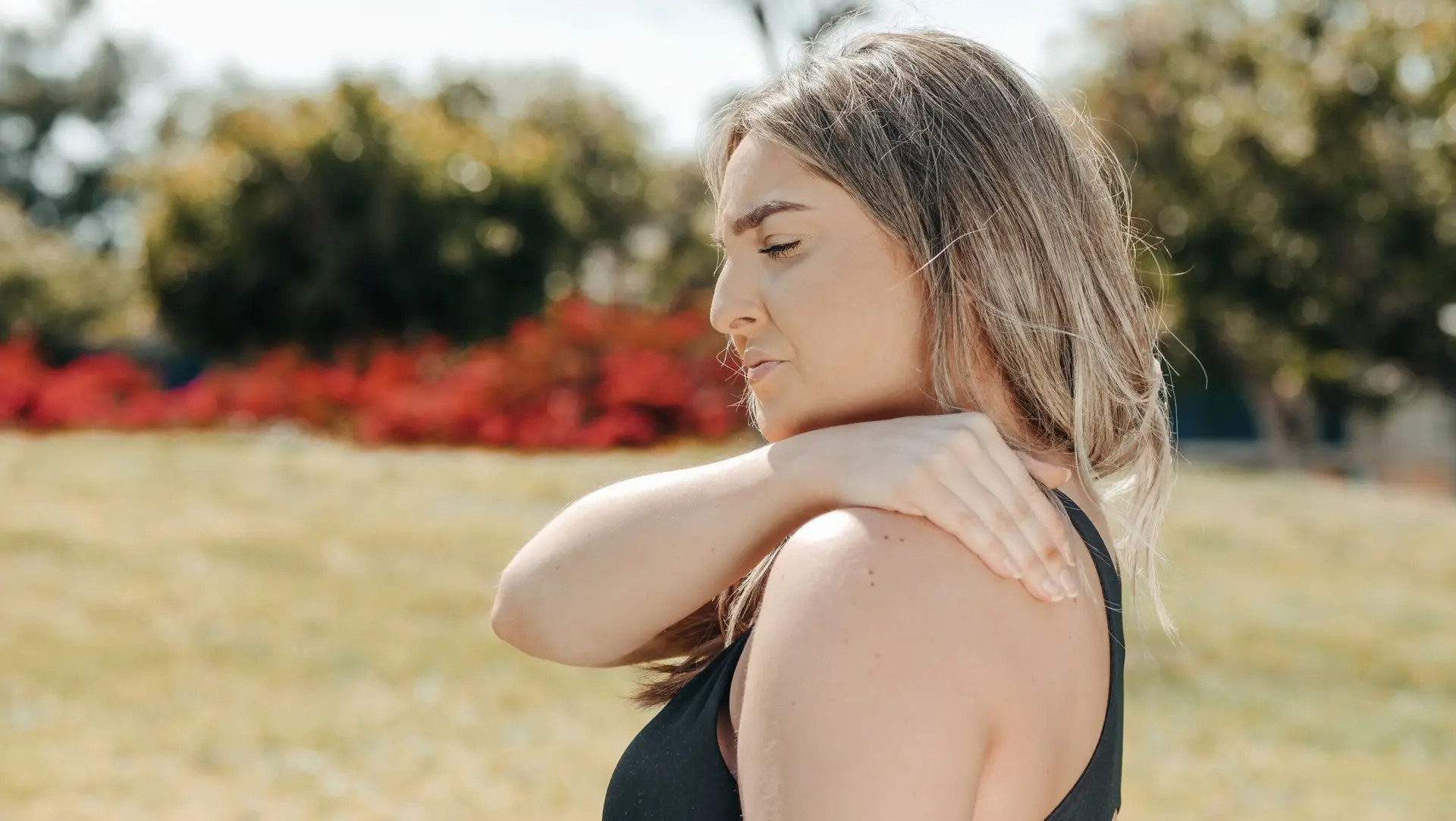
Shoulder Pain: Causes, Diagnosis, and How Our Bassendean Team Gets You Back to Living

Shoulder pain stops you doing the things that matter. Reaching into a cupboard. Sleeping through the night. Throwing a ball with your kid. Swimming, lifting, driving — the shoulder is involved in almost everything, and when it hurts, your whole day shrinks around it.

Around 18–26% of adults experience shoulder pain at any given time, and it’s one of the top three musculoskeletal reasons people visit a health professional.1 The good news? Most shoulder conditions respond excellently to conservative, multidisciplinary care. The key is getting the right diagnosis and the right treatment plan — not just resting and hoping it goes away.

What’s actually causing your shoulder pain?

Shoulder pain is a symptom, not a diagnosis. The shoulder joint is the most mobile joint in the human body — a ball-and-socket design that trades stability for range. That complexity means there are at least eight distinct structures that can generate pain, and they require different treatment approaches.

Rotator cuff tendinopathy

The most common cause of shoulder pain in adults, especially after 40. The rotator cuff is four small muscles that stabilise the shoulder during movement. When overloaded — through repetitive overhead work, sudden increases in gym load, or poor biomechanics — the tendons degenerate and become painful.

Key signs: Pain with overhead movement, pain lying on the affected side at night, weakness with resisted external rotation. Pain is typically felt over the lateral shoulder, not the neck.

Subacromial impingement / bursitis

Often overlaps with rotator cuff tendinopathy. The subacromial bursa — a fluid-filled sac that cushions the rotator cuff tendons — becomes inflamed and thickened, reducing the space available for smooth movement. This creates a painful arc: pain between roughly 60° and 120° of shoulder elevation that eases above that range.

Frozen shoulder (adhesive capsulitis)

More common in women aged 40–60 and people with diabetes or thyroid conditions. The shoulder capsule thickens and contracts, progressively restricting movement. Unlike tendinopathy, the defining feature is stiffness — both active and passive movement are restricted. It follows a predictable three-stage pattern: freezing (painful, progressive stiffness), frozen (stiffness plateaus, pain may reduce), and thawing (gradual return of range).

Shoulder instability

More common in younger, active populations — particularly those in throwing sports, swimming, or contact sports. The shoulder joint may partially dislocate (sublux) or fully dislocate, stretching the ligamentous restraints. Even after a single dislocation, the risk of recurrence is high without rehabilitation.

Referred pain from the neck or thoracic spine

Not all shoulder pain comes from the shoulder. Cervical spine dysfunction — particularly at C4–C5 and C5–C6 levels — can refer pain directly into the shoulder region. A thorough assessment must include cervical spine screening to rule this in or out.

AC joint pathology

The acromioclavicular joint — the small joint at the top of the shoulder where the collarbone meets the shoulder blade — is vulnerable to direct trauma (falling onto the point of the shoulder) and osteoarthritis in older populations. Pain is typically well-localised to the top of the shoulder.

Why rest alone doesn’t work

A common mistake — fuelled by well-meaning advice — is complete rest. While reducing aggravating loads is sensible in the short term, prolonged inactivity leads to:

  • Muscle atrophy — the rotator cuff and scapular stabilisers weaken within days of disuse
  • Joint stiffness — reduced movement leads to capsular tightness, compounding the original problem
  • Fear-avoidance — the brain learns to protect the shoulder, creating maladaptive movement patterns that persist long after tissue healing
  • Loss of conditioning — cardiovascular fitness, strength, and proprioception all deteriorate

The evidence is clear: active rehabilitation outperforms passive waiting for virtually every shoulder condition.2

How our allied health team approaches shoulder pain

This is where a multidisciplinary clinic makes a genuine difference — and why we built The Wellness Place around collaborative care. Shoulder pain rarely fits neatly into one discipline’s box. The best outcomes come from practitioners who can draw on each other’s expertise. At 103 Old Perth Road, Bassendean, your physiotherapist, chiropractor, exercise physiologist, and massage therapist are under one roof.

Physiotherapy — the foundation

Your physiotherapist will perform a structured assessment: subjective history, active and passive range of motion, strength testing of the rotator cuff and scapular stabilisers, and special orthopaedic tests to differentiate between structures. Treatment typically includes:

  • Load management advice (what to modify, what’s still safe)
  • Progressive strengthening — starting with isometric holds and building to heavy slow resistance for tendinopathy
  • Scapular retraining — because dysfunctional shoulder blade mechanics drive impingement
  • Manual therapy for pain relief and to restore accessory joint movement
  • Return-to-sport and return-to-work planning

Chiropractic — the spine–shoulder connection

Chiropractors bring specific expertise in the relationship between thoracic and cervical spine function and shoulder mechanics. A stiff thoracic spine increases demand on the glenohumeral joint during overhead movement. Restoring thoracic extension and rotation can be the missing piece that physio-only approaches sometimes overlook.

Exercise Physiology — building capacity for the long term

Once tissue irritability settles, the Exercise Physiologist designs a progressive loading program — often gym-based — that builds the shoulder’s capacity above and beyond what daily life demands. This is the difference between “pain-free” and “resilient.” EPs are also skilled in managing the chronic disease factors that influence shoulder outcomes: diabetes, obesity, and cardiovascular deconditioning all impair tendon healing.

Remedial Massage — addressing the soft tissue component

Massage therapists target the secondary muscle guarding that develops around a painful shoulder: hypertonic upper trapezius, levator scapulae, pectoralis minor. Releasing these muscles improves scapular position, reduces referred pain into the neck and upper back, and makes exercise therapy more comfortable and effective.

Podiatry — the chain from the ground up

It sounds surprising, but foot mechanics matter for shoulder function. Lower limb biomechanics influence pelvic position, which influences spinal posture, which influences scapular position. A podiatrist assessing gait and foot posture can identify and correct the bottom of a kinetic chain problem that’s expressing itself at the shoulder.

What to expect from treatment — a realistic timeline

Phase Duration Focus
Pain relief 1–2 weeks Load modification, manual therapy, gentle isometrics, pain education
Restore movement 2–6 weeks Scapular retraining, progressive range of motion, cuff strengthening
Build capacity 6–12 weeks Heavy slow resistance, sport-specific loading, gym-based programming
Return to full function 3–6 months High-load conditioning, return-to-sport testing, maintenance plan

Tendon adaptation takes time — 12 weeks minimum for meaningful structural change. But functional improvements (less pain, better movement) are usually felt within the first 2–4 weeks of consistent rehabilitation.

When to seek help immediately

Most shoulder pain can wait for a scheduled appointment. But seek urgent medical attention if you experience:

  • Shoulder pain following significant trauma (fall, car accident) with visible deformity
  • Red, hot, swollen shoulder with fever (possible infection)
  • Sudden severe pain with loss of pulse or sensation in the arm
  • Unexplained shoulder pain with shortness of breath (possible referred cardiac pain)
  • History of cancer with new, unexplained, severe shoulder pain

The bottom line

Shoulder pain is common, but it’s not something you have to live with. The right diagnosis, a multi-pronged treatment plan, and consistent rehabilitation resolve most cases without injections or surgery. If you’ve been waiting for your shoulder to “just get better” — it’s probably time to get it looked at.

Book an appointment with our physiotherapy team at The Wellness Place or call (08) 9379 3838. Located at 103 Old Perth Road, Bassendean — one team, all under one roof.


This article was written collaboratively by the multidisciplinary team at The Wellness Place, drawing on physiotherapy, chiropractic, exercise physiology, podiatry, and remedial massage perspectives. Evidence-based, practical, and grounded in what actually works.

  1. Luime JJ, Koes BW, Hendriksen IJM, et al. Prevalence and incidence of shoulder pain in the general population; a systematic review. Scandinavian Journal of Rheumatology. 2004;33(2):73–81.
  2. Pieters L, Lewis J, Kuppens K, et al. An Update of Systematic Reviews Examining the Effectiveness of Conservative Physical Therapy Interventions for Subacromial Shoulder Pain. Journal of Orthopaedic & Sports Physical Therapy. 2020;50(3):131–141.