Sports Injury Treatment Bassendean: How Our Multidisciplinary Team Gets You Back in the Game Faster

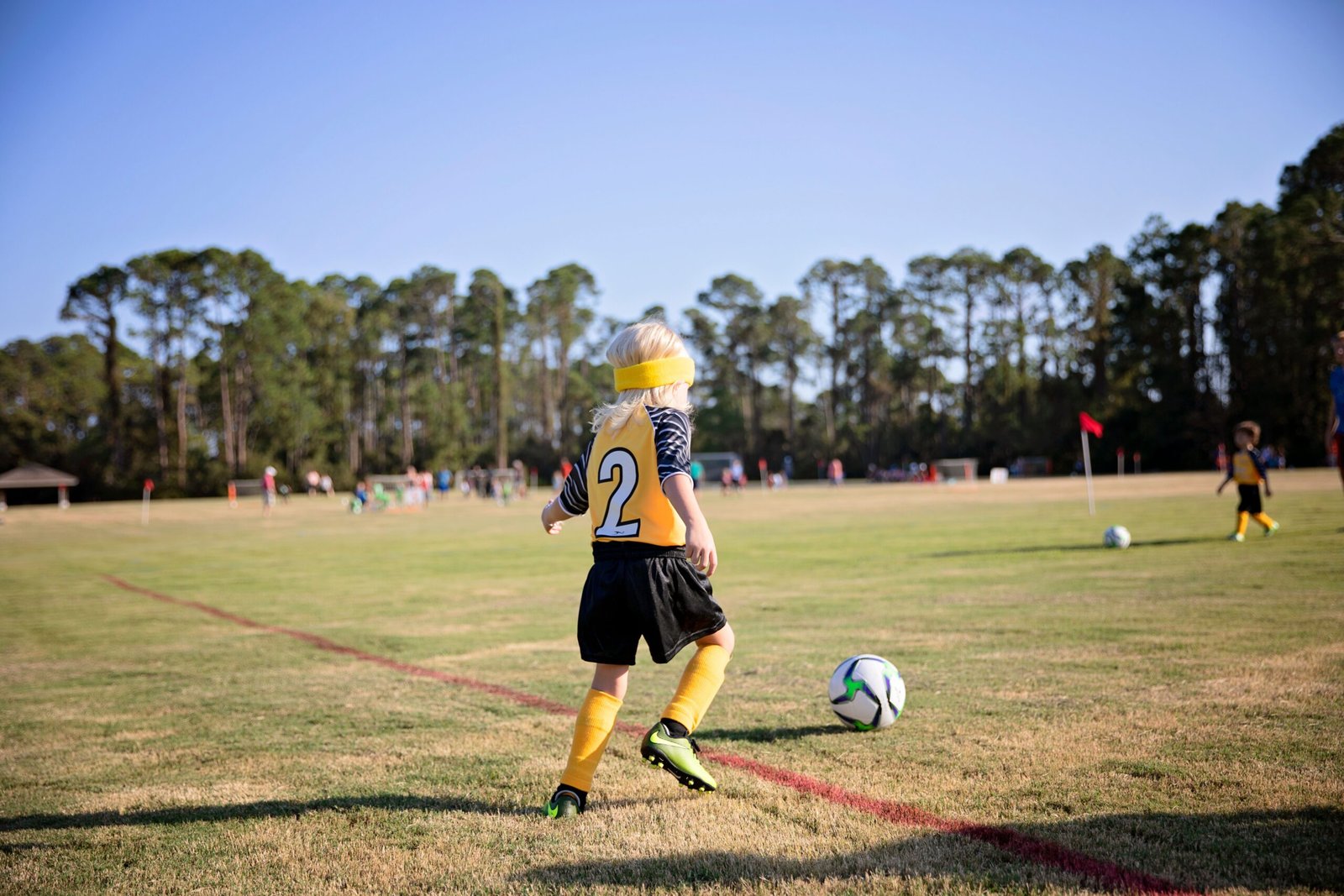
You trained for months. You were hitting personal bests. Then one awkward landing, one sharp pivot, one overuse niggle you ignored — and suddenly you’re on the sidelines, googling “sports injury physio Bassendean” and wondering how long until you can run again.

The answer depends on two things: the injury itself, and — critically — the team behind your recovery. At The Wellness Place (TWP) in Bassendean, sports injuries aren’t treated through a single lens. They’re managed by a multidisciplinary team of physiotherapists, sports podiatrists, chiropractors, exercise physiologists, and remedial massage therapists — all working together on one shared goal: getting you back to your sport, stronger than before.

Why Single-Discipline Treatment Often Falls Short

Imagine a runner with recurrent shin pain. A physio-only approach might focus on strength and load management — which is essential. But what about the runner’s foot mechanics? A podiatrist identifies overpronation that’s overloading the posterior tibialis tendon. What about their spinal alignment affecting hip drop on the painful side? A chiropractor addresses the pelvic asymmetry. Meanwhile, an exercise physiologist builds a progressive return-to-run program that the physio’s rehab alone didn’t cover.

None of these disciplines is “wrong” — but each sees only part of the picture. Research consistently shows that multidisciplinary rehabilitation produces better outcomes than single-modality care for sports injuries, particularly for complex or recurrent cases (Dhillon et al., 2017). At TWP, this isn’t a referral merry-go-round — it’s a coordinated team under one roof at 103 Old Perth Road.

Common Sports Injuries We Treat in Bassendean

Perth’s active lifestyle — from weekend footy at Bassendean Oval, netball at the recreation centre, to running along the Swan River — produces predictable injury patterns. Here are the most common we see at The Wellness Place:

Ankle Sprains and Chronic Ankle Instability

The classic “rolled ankle” in basketball, netball, or soccer. While most grade I-II sprains heal in 4-6 weeks, up to 40% of people develop chronic ankle instability (Doherty et al., 2014). Our physiotherapists address proprioception and strength deficits, while our podiatrists assess biomechanical contributors and may prescribe orthotics or footwear changes to prevent recurrence.

Knee Injuries: ACL, Meniscus, and Patellofemoral Pain

Knee injuries range from acute trauma (ACL tears in football, meniscus damage from twisting) to overuse syndromes like patellofemoral pain in runners. Surgery may be required for complete ACL ruptures, but prehabilitation and post-operative rehabilitation are where outcomes are won or lost. Our physiotherapists guide rehab phases, exercise physiologists build strength programs, and podiatrists correct lower-limb biomechanics that contributed to the injury.

Shoulder Injuries in Overhead Athletes

Swimmers, tennis players, cricketers, and CrossFit athletes all place extreme demands on the shoulder. Rotator cuff tendinopathy, impingement, and labral tears are common. Chiropractic care addresses thoracic spine mobility — which directly affects shoulder range — while physiotherapy targets rotator cuff strength and scapular control. Combined, these approaches address the kinetic chain rather than just the painful structure.

Hamstring Strains and Lower Limb Overuse

Hamstring injuries are the most common soft tissue injury in sprinting sports, with a recurrence rate of 12-31% (Petersen et al., 2011). Our podiatrists examine running gait and foot strike patterns; physiotherapists address eccentric strength deficits and neuromuscular control; remedial massage therapists manage scar tissue and muscle tone through the recovery phases.

The Four Phases of Sports Injury Recovery

Modern sports rehabilitation follows a staged, criteria-based model — not a calendar-based one. You progress when your body is ready, not when a fixed number of weeks have passed.

Phase 1: Acute Management (Days 0-7)

Protection, optimal loading, ice, compression, elevation (POLICE principle). Early diagnosis is critical — our physiotherapists and chiropractors provide hands-on assessment to rule out fractures, complete ruptures, or surgical cases. Pain management and inflammation control set the foundation. Remedial massage can reduce protective muscle spasm in surrounding tissues.

Phase 2: Recovery and Restoration (Weeks 1-6)

Range of motion exercises, gentle strengthening, and neuromuscular re-education. This is where the multidisciplinary advantage shines: your physio progresses your rehab exercises, your chiropractor ensures joint mobility isn’t compromised by compensatory patterns, and your exercise physiologist begins introducing controlled load in ways that don’t aggravate the injury.

Phase 3: Sport-Specific Retraining (Weeks 4-12)

Movement patterns that mimic your sport — cutting drills, plyometrics, throwing progressions, running gait retraining. Our exercise physiologists design programs that bridge the gap between “rehabbed” and “game-ready.” Podiatrists ensure foot and ankle mechanics aren’t creating compensatory load further up the chain.

Phase 4: Return to Sport (Variable)

You’re running, jumping, and moving well — but are you ready for competition? Return-to-sport decisions should be criteria-based: strength symmetry within 10% of the uninjured side, psychological readiness, sport-specific testing. Rushing this phase is the #1 cause of re-injury. Our team uses objective testing — not guesswork — to clear you for return.

What Makes The Wellness Place Different

  • One location, one team: No driving between clinics for physio, podiatry, and chiro appointments. Your entire rehab team is at 103 Old Perth Road, Bassendean.
  • Shared clinical notes: Your physio knows what your podiatrist found. Your chiro knows what exercises your EP has programmed. No contradictory advice.
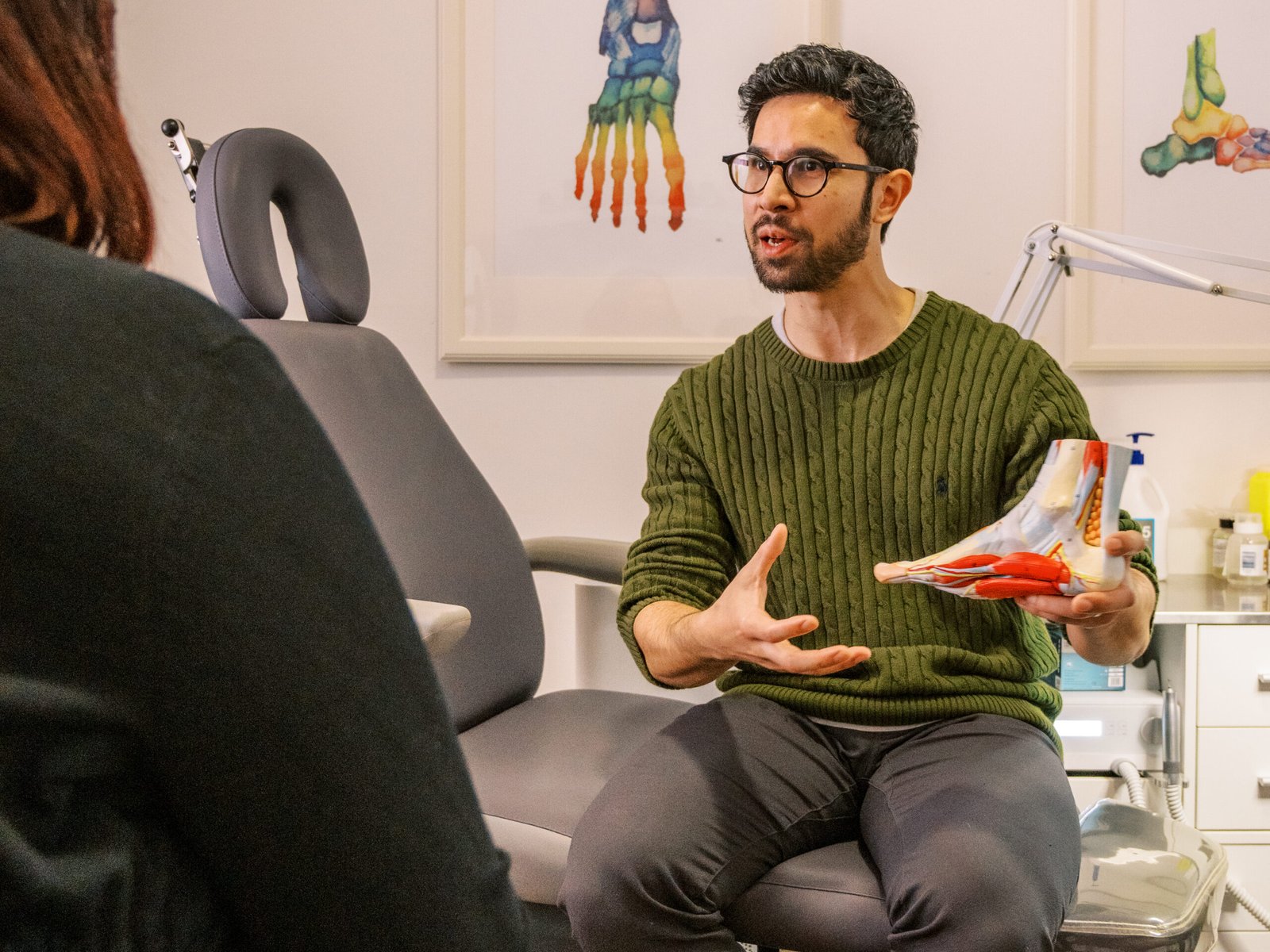
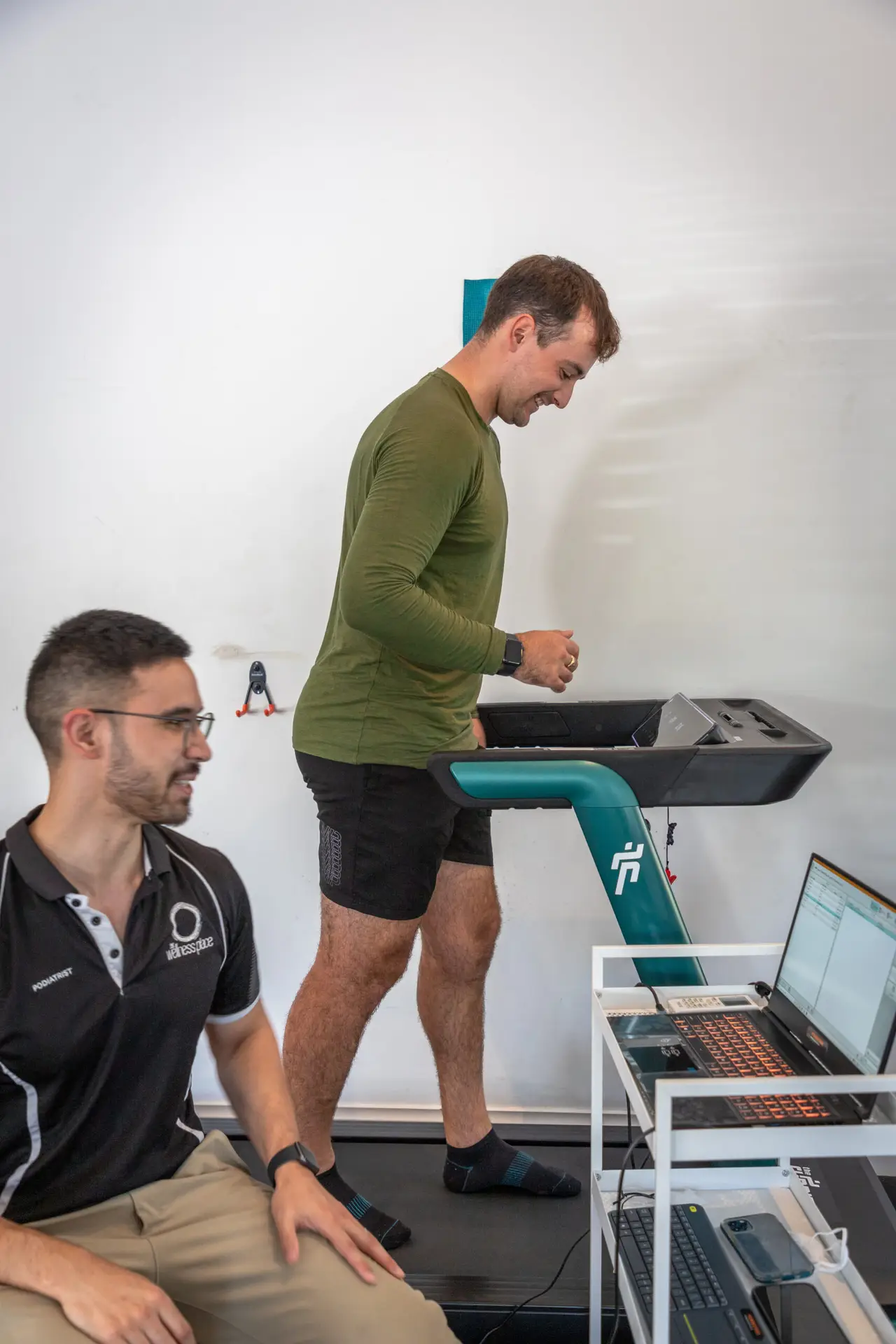
  • Biomechanics expertise: Our podiatrists (led by Dr Aaron Gregory) use 3D gait analysis and custom orthotics to address the root cause of lower-limb overuse injuries.
  • Hands-on + exercise-based: Manual therapy for pain relief and joint mobility, combined with progressive exercise programs that build resilience — not just temporary relief.
  • Recovery modalities: Remedial massage, clinical Pilates, infrared sauna, ice bath, and compression therapy support tissue healing and reduce delayed-onset muscle soreness between rehab sessions.

Realistic Recovery Timelines

Every injury is different, but here are evidence-based timelines for common sports injuries when managed with structured multidisciplinary rehab:

  • Grade I-II ankle sprain: 2-6 weeks to activity, 6-8 weeks to full sport
  • Hamstring strain (grade I-II): 3-8 weeks to full sprinting
  • Patellofemoral pain: 6-12 weeks of progressive loading
  • Rotator cuff tendinopathy: 8-16 weeks for overhead athletes
  • ACL reconstruction: 9-12 months to full competition clearance
  • Shin splints / medial tibial stress syndrome: 4-8 weeks with correct load management and biomechanical correction

Note: these are averages for compliant patients with no complications. Your treating practitioner will give you a personalised estimate at your initial assessment.

Don’t Wait Until It’s Worse

The single biggest mistake athletes make is delaying treatment. A niggle becomes a strain. A strain becomes a tear. A tear becomes surgery. Early intervention shortens recovery time, reduces costs, and — most importantly — gets you back to the sport you love sooner.

If you’re dealing with a sports injury in Bassendean, Guildford, Bayswater, or Perth’s eastern suburbs, our multidisciplinary team is ready to help. Book an initial assessment with our physiotherapy or sports podiatry team today.

The Wellness Place
103 Old Perth Road, Bassendean WA 6054
Phone: (08) 9379 3838
thewellnessplace.com.au — Online bookings available

References

  • Dhillon, H., Dhillon, S., and Dhillon, M. S. (2017). Current concepts in sports injury rehabilitation. Indian Journal of Orthopaedics, 51(5), 529-536.
  • Doherty, C., Delahunt, E., Caulfield, B., Hertel, J., Ryan, J., and Bleakley, C. (2014). The incidence and prevalence of ankle sprain injury: a systematic review and meta-analysis of prospective epidemiological studies. Sports Medicine, 44(1), 123-140.
  • Petersen, J., Thorborg, K., Nielsen, M. B., Budtz-Jorgensen, E., and Holmich, P. (2011). Preventive effect of eccentric training on acute hamstring injuries in men’s soccer. The American Journal of Sports Medicine, 39(11), 2296-2303.
Chiropractor guiding back rehabilitation exercises at The Wellness Place in Bassendean

Heel Pain: Why It Happens and How Podiatry Gets You Back on Your Feet

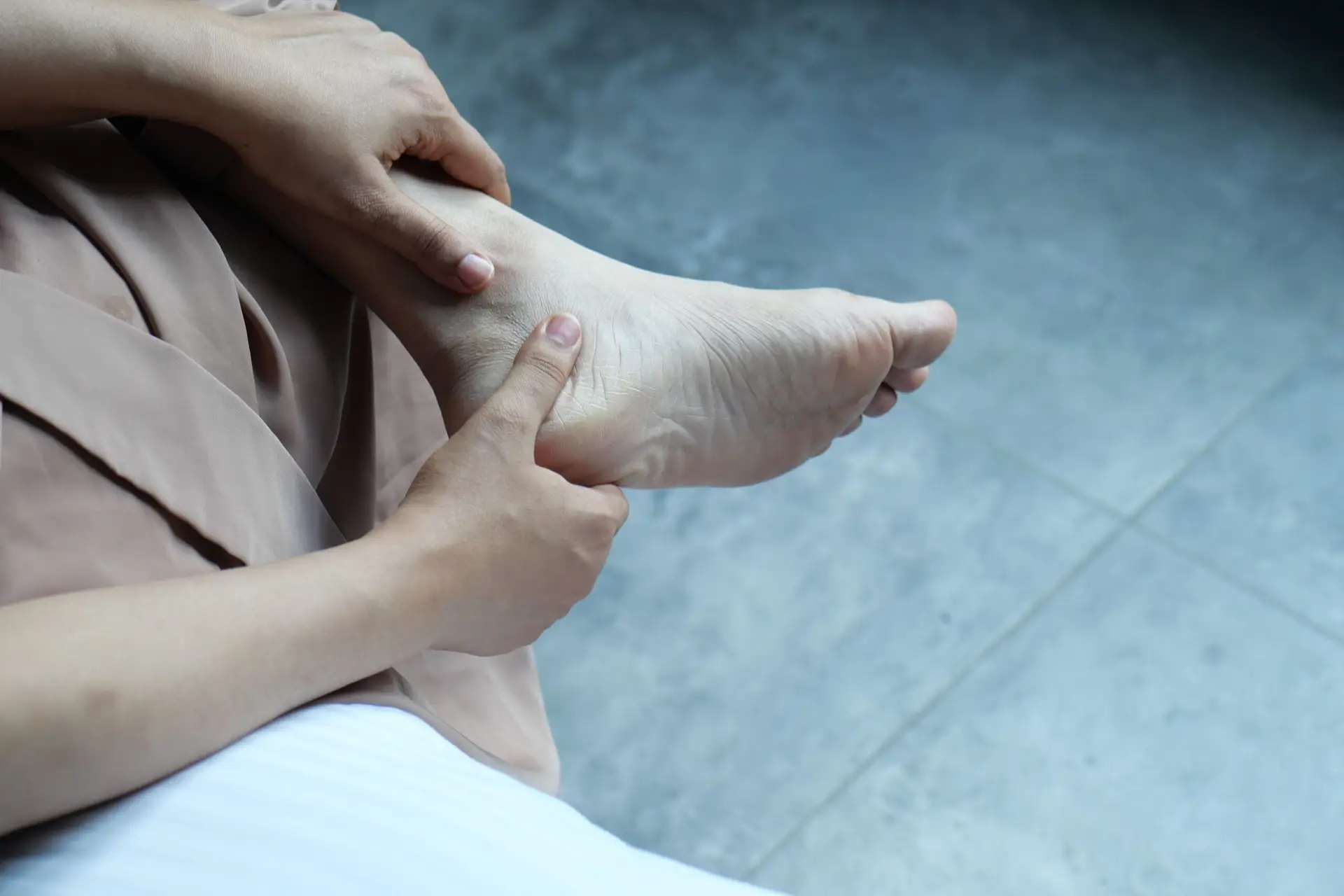
That first step out of bed in the morning — the one that feels like a nail driving through your heel — has a name. It’s called post-static dyskinesia, and it’s the hallmark of plantar heel pain, the most common condition seen in podiatry clinics Australia-wide. If you’ve been wincing through your mornings or cutting your walks short because of heel pain, you’re not alone — and more importantly, you don’t have to live with it.

Plantar heel pain affects roughly 10% of the population at some point in their lives, with runners, people who stand for work, and those carrying extra weight at highest risk.1 The condition accounts for an estimated 1% of all visits to healthcare professionals — and yet a surprising number of people wait months before seeking help, hoping it will resolve on its own. It rarely does.

What’s actually happening under your heel?

The plantar fascia is a thick band of connective tissue that runs from the heel bone (calcaneus) to the bases of the toes. It supports the arch of the foot, absorbs shock during walking and running, and acts as a windlass mechanism — tightening as the toes extend to create a rigid lever for push-off.

When the plantar fascia is overloaded beyond its capacity, it develops a degenerative process that we now understand is not primarily inflammatory. The old term “plantar fasciitis” implied acute inflammation (“-itis”), but research over the last 15 years shows the pathology is closer to a tendinopathy — a failed healing response with collagen degeneration, increased ground substance, and neovascularisation.2 This is why anti-inflammatory medications alone rarely provide lasting relief.

Common causes and risk factors

  • Training load errors: Sudden increases in running volume, hill work, or speed sessions overload the plantar fascia faster than it can adapt.
  • Footwear changes: Switching abruptly to minimalist shoes, worn-out trainers, or unsupportive work shoes alters the mechanical load on the fascia.
  • Calf tightness: A restricted gastrocnemius-soleus complex limits ankle dorsiflexion, increasing strain on the plantar fascia with every step.
  • BMI and metabolic factors: Higher body weight increases the tensile load through the fascia. There is also emerging evidence linking plantar heel pain to metabolic conditions including type 2 diabetes.
  • Foot posture: Both excessively flat (pronated) and excessively high-arched (supinated) foot types can predispose to overload through different mechanisms.
  • Occupation: Jobs requiring prolonged standing — teaching, nursing, hospitality, retail — are strongly associated with plantar heel pain.

Is it actually plantar fasciitis? — differential diagnosis

Not all heel pain is plantar fascia pain. A thorough clinical assessment is essential because the management of each condition differs significantly.

Fat pad atrophy

The heel fat pad is a specialised shock-absorbing structure that thins with age. Pain is typically central, directly under the calcaneus, and worse on hard surfaces. Unlike plantar fascia pain, there is no morning first-step pain — discomfort builds through the day.

Baxter’s nerve entrapment

The first branch of the lateral plantar nerve can become entrapped between the abductor hallucis and quadratus plantae muscles. Pain is often more medial and may radiate. There is frequently tenderness at a specific point inferior to the medial malleolus rather than at the plantar fascia origin.

Calcaneal stress fracture

More common in runners and military recruits. Pain is often constant rather than just with first steps, and the heel squeeze test (medial-lateral compression of the calcaneus) is positive. Suspect this when pain is unremitting and not responding to typical plantar fascia management.

Tarsal tunnel syndrome

Compression of the posterior tibial nerve produces burning, tingling, or shooting pain that may extend into the sole of the foot. Tinel’s sign (tapping over the tarsal tunnel) is often positive.

Why resting won’t fix it — the evidence for active treatment

Complete rest is a common instinct but a poor strategy for plantar heel pain. The plantar fascia is a load-bearing structure — completely unloading it leads to deconditioning, reduced tissue capacity, and a high recurrence rate when activity resumes. The evidence strongly supports load management — reducing aggravating loads to a tolerable level while maintaining activity — combined with targeted strengthening.

A landmark randomised controlled trial by Rathleff et al. (2015) demonstrated that a simple progressive high-load strengthening program (heel raises with a towel under the toes) produced superior outcomes compared to stretching alone at 3, 6, and 12-month follow-up.3 The mechanism is thought to be increased tendon stiffness and capacity through collagen adaptation.

How podiatry treats heel pain

1. Accurate diagnosis

Your first consultation with a sports podiatrist includes: detailed history (onset, aggravating/relieving factors, training history, footwear), gait analysis (walking and running if relevant), biomechanical assessment of foot posture and lower limb alignment, calf flexibility testing, and diagnostic ultrasound if indicated to visualise plantar fascia thickness and integrity.

2. Load management and activity modification

We don’t tell runners to stop running — we modify the load. This might mean: reducing weekly volume by 30-50% temporarily, substituting some running with cross-training (cycling, swimming), avoiding hill work and speed sessions during the early rehab phase, and using relative rest principles — keeping pain below 3-4/10 during and after activity.

3. Progressive strengthening

The Rathleff protocol — heel raises with a rolled towel under the toes to isolate the plantar fascia — performed every second day, progressing from 3×12 to 3×12 with added weight in a backpack. This is the highest-evidence intervention for chronic plantar heel pain and costs nothing to perform at home.

4. Orthotic therapy — when indicated, not routine

Not every patient with heel pain needs orthotics. Custom foot orthoses are prescribed when there is a clear biomechanical driver — excessive pronation that loads the fascia asymmetrically, a leg length discrepancy affecting gait mechanics, or specific structural foot types that fail to respond to strengthening alone. When used, they are part of a comprehensive plan, not a standalone fix. 3D scanning ensures precise fit and contour.

5. Night splints and taping

Low-Dye taping provides immediate short-term pain relief by supporting the arch and offloading the plantar fascia. Night splints that maintain the ankle in a neutral position can help reduce morning pain by preventing overnight plantarflexion contracture, though compliance is variable.

6. Extracorporeal shockwave therapy (ESWT)

For chronic cases (symptoms >6 months not responding to loading programs), shockwave therapy has Level 1 evidence for reducing pain and improving function. It works by stimulating neovascularisation and disrupting dysfunctional pain signalling.

What about injections?

Corticosteroid injections provide short-term pain relief (weeks, not months) but do not address the underlying pathology, and there is some evidence of increased risk of plantar fascia rupture and fat pad atrophy with repeated injections. They have a role in breaking a severe pain cycle to allow rehabilitation to proceed, but should not be first-line or repeated treatment. Platelet-rich plasma (PRP) injections are an emerging option with some supportive evidence but remain an area of ongoing research.

The role of the wider allied health team

Heel pain is rarely just about the foot. At The Wellness Place, your team can include:

  • Physiotherapy for calf and posterior chain strengthening, running retraining, and addressing any hip or knee contributions to altered gait mechanics.
  • Exercise Physiology for a structured return-to-running or return-to-work program, and managing weight and metabolic factors that impair tendon healing.
  • Remedial Massage for calf, hamstring, and intrinsic foot muscle release — reducing the upstream tension that increases plantar fascia load.
  • Chiropractic for pelvic and lower limb alignment — because a unilateral anterior pelvic tilt shifts ground reaction force distribution through the feet.

What does a realistic recovery look like?

Tissue adaptation takes time. Here’s what to expect:

Timeframe What to expect
Weeks 1–2 Reduced morning pain with load modification, taping, and gentle isometric holds
Weeks 3–6 Progressive strengthening taking effect; walking tolerance improving; able to resume modified running
Weeks 6–12 Significant functional gains; returning to full training loads gradually; morning pain resolved or minimal
3–6 months Full resolution in most cases; ongoing maintenance strengthening recommended to prevent recurrence

The single best predictor of a good outcome is compliance with a strengthening program. Heel raises every second day, progressively loaded, produces better results than passive treatments alone.

When surgery should be considered

Plantar fascia release surgery is reserved for cases that have failed at least 6–12 months of comprehensive conservative management. It is rarely necessary — fewer than 5% of cases require surgical intervention. Before considering surgery, ensure that load management, progressive strengthening, orthotics (if indicated), shockwave therapy, and any metabolic contributing factors have all been addressed.

The bottom line

Heel pain is common, treatable, and in most cases responds to structured conservative care without injections or surgery. The key is getting the right diagnosis early and committing to a strengthening program that builds your foot’s capacity rather than just chasing short-term pain relief.

If you’ve been putting up with that first-step pain for weeks or months — it’s time to do something about it.

Book an appointment with Dr Aaron Gregory, sports podiatrist at The Wellness Place, or call (08) 9379 3838. Located at 103 Old Perth Road, Bassendean — comprehensive foot care with a team that treats the whole person, not just the heel.


Written by Dr Aaron Gregory (B. Pod Med, M Sports Med) and the multidisciplinary team at The Wellness Place. Evidence-based podiatry grounded in clinical experience and current research.

  1. Riddle DL, Pulisic M, Pidcoe P, Johnson RE. Risk factors for plantar fasciitis: a matched case-control study. Journal of Bone and Joint Surgery. 2003;85(5):872–877.
  2. Lemont H, Ammirati KM, Usen N. Plantar fasciitis: a degenerative process without inflammation. Journal of the American Podiatric Medical Association. 2003;93(3):234–237.
  3. Rathleff MS, Molgaard CM, Fredberg U, et al. High-load strength training improves outcome in patients with plantar fasciitis: a randomized controlled trial with 12-month follow-up. Scandinavian Journal of Medicine and Science in Sports. 2015;25(3):e292–300.
Physiotherapy treatment session at The Wellness Place in Bassendean

Shoulder Pain: Causes, Diagnosis, and How Our Bassendean Team Gets You Back to Living

Shoulder pain stops you doing the things that matter. Reaching into a cupboard. Sleeping through the night. Throwing a ball with your kid. Swimming, lifting, driving — the shoulder is involved in almost everything, and when it hurts, your whole day shrinks around it.

Around 18–26% of adults experience shoulder pain at any given time, and it’s one of the top three musculoskeletal reasons people visit a health professional.1 The good news? Most shoulder conditions respond excellently to conservative, multidisciplinary care. The key is getting the right diagnosis and the right treatment plan — not just resting and hoping it goes away.

What’s actually causing your shoulder pain?

Shoulder pain is a symptom, not a diagnosis. The shoulder joint is the most mobile joint in the human body — a ball-and-socket design that trades stability for range. That complexity means there are at least eight distinct structures that can generate pain, and they require different treatment approaches.

Rotator cuff tendinopathy

The most common cause of shoulder pain in adults, especially after 40. The rotator cuff is four small muscles that stabilise the shoulder during movement. When overloaded — through repetitive overhead work, sudden increases in gym load, or poor biomechanics — the tendons degenerate and become painful.

Key signs: Pain with overhead movement, pain lying on the affected side at night, weakness with resisted external rotation. Pain is typically felt over the lateral shoulder, not the neck.

Subacromial impingement / bursitis

Often overlaps with rotator cuff tendinopathy. The subacromial bursa — a fluid-filled sac that cushions the rotator cuff tendons — becomes inflamed and thickened, reducing the space available for smooth movement. This creates a painful arc: pain between roughly 60° and 120° of shoulder elevation that eases above that range.

Frozen shoulder (adhesive capsulitis)

More common in women aged 40–60 and people with diabetes or thyroid conditions. The shoulder capsule thickens and contracts, progressively restricting movement. Unlike tendinopathy, the defining feature is stiffness — both active and passive movement are restricted. It follows a predictable three-stage pattern: freezing (painful, progressive stiffness), frozen (stiffness plateaus, pain may reduce), and thawing (gradual return of range).

Shoulder instability

More common in younger, active populations — particularly those in throwing sports, swimming, or contact sports. The shoulder joint may partially dislocate (sublux) or fully dislocate, stretching the ligamentous restraints. Even after a single dislocation, the risk of recurrence is high without rehabilitation.

Referred pain from the neck or thoracic spine

Not all shoulder pain comes from the shoulder. Cervical spine dysfunction — particularly at C4–C5 and C5–C6 levels — can refer pain directly into the shoulder region. A thorough assessment must include cervical spine screening to rule this in or out.

AC joint pathology

The acromioclavicular joint — the small joint at the top of the shoulder where the collarbone meets the shoulder blade — is vulnerable to direct trauma (falling onto the point of the shoulder) and osteoarthritis in older populations. Pain is typically well-localised to the top of the shoulder.

Why rest alone doesn’t work

A common mistake — fuelled by well-meaning advice — is complete rest. While reducing aggravating loads is sensible in the short term, prolonged inactivity leads to:

  • Muscle atrophy — the rotator cuff and scapular stabilisers weaken within days of disuse
  • Joint stiffness — reduced movement leads to capsular tightness, compounding the original problem
  • Fear-avoidance — the brain learns to protect the shoulder, creating maladaptive movement patterns that persist long after tissue healing
  • Loss of conditioning — cardiovascular fitness, strength, and proprioception all deteriorate

The evidence is clear: active rehabilitation outperforms passive waiting for virtually every shoulder condition.2

How our allied health team approaches shoulder pain

This is where a multidisciplinary clinic makes a genuine difference — and why we built The Wellness Place around collaborative care. Shoulder pain rarely fits neatly into one discipline’s box. The best outcomes come from practitioners who can draw on each other’s expertise. At 103 Old Perth Road, Bassendean, your physiotherapist, chiropractor, exercise physiologist, and massage therapist are under one roof.

Physiotherapy — the foundation

Your physiotherapist will perform a structured assessment: subjective history, active and passive range of motion, strength testing of the rotator cuff and scapular stabilisers, and special orthopaedic tests to differentiate between structures. Treatment typically includes:

  • Load management advice (what to modify, what’s still safe)
  • Progressive strengthening — starting with isometric holds and building to heavy slow resistance for tendinopathy
  • Scapular retraining — because dysfunctional shoulder blade mechanics drive impingement
  • Manual therapy for pain relief and to restore accessory joint movement
  • Return-to-sport and return-to-work planning

Chiropractic — the spine–shoulder connection

Chiropractors bring specific expertise in the relationship between thoracic and cervical spine function and shoulder mechanics. A stiff thoracic spine increases demand on the glenohumeral joint during overhead movement. Restoring thoracic extension and rotation can be the missing piece that physio-only approaches sometimes overlook.

Exercise Physiology — building capacity for the long term

Once tissue irritability settles, the Exercise Physiologist designs a progressive loading program — often gym-based — that builds the shoulder’s capacity above and beyond what daily life demands. This is the difference between “pain-free” and “resilient.” EPs are also skilled in managing the chronic disease factors that influence shoulder outcomes: diabetes, obesity, and cardiovascular deconditioning all impair tendon healing.

Remedial Massage — addressing the soft tissue component

Massage therapists target the secondary muscle guarding that develops around a painful shoulder: hypertonic upper trapezius, levator scapulae, pectoralis minor. Releasing these muscles improves scapular position, reduces referred pain into the neck and upper back, and makes exercise therapy more comfortable and effective.

Podiatry — the chain from the ground up

It sounds surprising, but foot mechanics matter for shoulder function. Lower limb biomechanics influence pelvic position, which influences spinal posture, which influences scapular position. A podiatrist assessing gait and foot posture can identify and correct the bottom of a kinetic chain problem that’s expressing itself at the shoulder.

What to expect from treatment — a realistic timeline

Phase Duration Focus
Pain relief 1–2 weeks Load modification, manual therapy, gentle isometrics, pain education
Restore movement 2–6 weeks Scapular retraining, progressive range of motion, cuff strengthening
Build capacity 6–12 weeks Heavy slow resistance, sport-specific loading, gym-based programming
Return to full function 3–6 months High-load conditioning, return-to-sport testing, maintenance plan

Tendon adaptation takes time — 12 weeks minimum for meaningful structural change. But functional improvements (less pain, better movement) are usually felt within the first 2–4 weeks of consistent rehabilitation.

When to seek help immediately

Most shoulder pain can wait for a scheduled appointment. But seek urgent medical attention if you experience:

  • Shoulder pain following significant trauma (fall, car accident) with visible deformity
  • Red, hot, swollen shoulder with fever (possible infection)
  • Sudden severe pain with loss of pulse or sensation in the arm
  • Unexplained shoulder pain with shortness of breath (possible referred cardiac pain)
  • History of cancer with new, unexplained, severe shoulder pain

The bottom line

Shoulder pain is common, but it’s not something you have to live with. The right diagnosis, a multi-pronged treatment plan, and consistent rehabilitation resolve most cases without injections or surgery. If you’ve been waiting for your shoulder to “just get better” — it’s probably time to get it looked at.

Book an appointment with our physiotherapy team at The Wellness Place or call (08) 9379 3838. Located at 103 Old Perth Road, Bassendean — one team, all under one roof.


This article was written collaboratively by the multidisciplinary team at The Wellness Place, drawing on physiotherapy, chiropractic, exercise physiology, podiatry, and remedial massage perspectives. Evidence-based, practical, and grounded in what actually works.

  1. Luime JJ, Koes BW, Hendriksen IJM, et al. Prevalence and incidence of shoulder pain in the general population; a systematic review. Scandinavian Journal of Rheumatology. 2004;33(2):73–81.
  2. Pieters L, Lewis J, Kuppens K, et al. An Update of Systematic Reviews Examining the Effectiveness of Conservative Physical Therapy Interventions for Subacromial Shoulder Pain. Journal of Orthopaedic & Sports Physical Therapy. 2020;50(3):131–141.
Remedial massage therapist performing deep tissue treatment at allied health clinic in Perth WA

Meet Geish our Remedial Massage Therapist

Meet Geish our Remedial Massage Therapist

We’re excited to welcome Geish Nori to the The Wellness Place team!

Geish came to Australia from Japan in 2004 to study sports science. He completed his PhD in Exercise, Biomedical, and Health Sciences from Edith Cowan University in 2007. His research interests are the assessment and development of performance during strength and conditioning (S&C) exercises. Before joining The Wellness Place, Geish was an S&C coach at Western Australian Institute of Sport from 2005 to 2021, where he planned and implemented S&C programs for international, national, and developmental athletes in various Olympic, Paralympic, and Commonwealth Games sports.

While he coached athletes on the gym floor, Geish realised that many technical limitations in S&C exercises and sports tasks could be significantly improved through soft-tissue treatment. That was the reason why he expanded his career from S&C coach to massage therapist. Still, the basis of his S&C coaching and massage therapy has been his deep understanding of functional anatomy and biomechanics, developed through his doctoral studies.

He is passionate about supporting athletes in a multifaceted way across sports science and sports medicine. Thus, outside the clinic, he serves in dual roles as an S&C coach and sports trainer at Swan Districts Football Club, just across the road.

Welcome to the team, Geish!

Qualifications

  • PhD in Exercise, Biomedical and Health Sciences (Edith Cowan University)
  • Diploma in Remedial Massage (Evolve College)
  • Master Level 3 Strength and Conditioning Coach (Australian Strength and Conditioning Association)
  • Level 2 Sports Trainer (Sports Medicine Australia)


Available Services

  • Remedial Massage (from February 2026)
  • Relaxation Massage
  • Deep Tissue Massage
  • Strength and Conditioning (specific to the purpose of each client)
Remedial massage therapist performing deep tissue treatment at allied health clinic in Perth WA

Meet Ellee – Nutritionist and Athlete

Meet Ellee- Nutritionist and Athlete

Hi, my name is Ellee McEvoy, born and raised in beautiful Ireland. I made the big move across the world, to WA in October 2024. I am a Nutritionist at The Wellness Place and Peak Performance Institute. Exercise, health and wellbeing have always been a huge part of my life and as a result led me to pursuing a career that nurtures both.

I graduated from the University of Limerick attaining a Bachelor of Science in Physical Education and Irish. Having been involved in team sport all my life to a high level, I continued my studies and completed a Masters in Sports and Exercise Nutrition to gain a deeper understanding on the role nutrition plays in our lives from a general population perspective right through to the elite athlete.

My journey as a Nutritionist to date has allowed me to work across a range of settings and I find my work incredibly fulfilling as I see first hand the changes that evidence based nutrition awareness and informed decisions can have on people’s lives, so that we feel better and live a healthier life.

Having founded my own business in Ireland in 2022, I primarily worked as a Performance Nutritionist with intercounty athletes (state level) playing Gaelic football and hurling. I also ran workshops and seminars to a variety of sports teams, in schools, at teenage

summer camps, and within the corporate world. My main areas of interest include;

  • Sports Nutrition
  • Weight Loss
  • Injury Prevention and Recovery and Immunity
  • Fundamentals of Nutrition for General Health and Wellbeing
  • The Female Athlete

There is so much noise in the world of personal training and nutrition nowadays with an overemphasis on calorie intake and high protein diets. I believe that there is so much more to food than caloric value.

My aim as a practitioner is to help my clients understand that food is the fuel to make us feel good and should be enjoyed. My goal is to ensure that my clients develop the skills and knowledge that allows them to achieve their goals in a healthy and supportive way.

My own personal experience playing Gaelic football at an elite level in Ireland and having recently begun playing WAFL, has cultivated my treatment approach and given me the first hand experience of what it takes to reach peak performance.

The variety of clients I work with from young athletes to the ageing adult enable me to provide a unique, individualised service that aims to develop the person holistically.

Outside of work, I enjoy keeping active by playing Gaelic football, going to the gym, a morning run, a sunset walk by the beach and trialling out new recipes in the kitchen.

What is Bowen Therapy?

What is Bowen Therapy? Our Bowen Therapist- Keryn Russell explains

Bowen Therapy: A Gentle Approach to Lasting Pain Relief

What Is Bowen Therapy?

Bowen Therapy is a gentle, hands-on technique that uses small, precise movements over muscles, tendons, and fascia. Unlike deep-tissue massage, Bowen does not involve forceful pressure or manipulation. Instead, it encourages your body’s natural ability to reset, repair, and heal itself.

This method was developed in Australia by Tom Bowen in the 1950s and has since been used worldwide to address a range of musculoskeletal and stress-related conditions.


How It Works

During a Bowen session, your therapist performs light, rolling movements on specific points of your body. These movements send signals to the nervous system, stimulating a “reset” of muscle tension and fascia. Short pauses between sets of moves allow your body to respond and start its own healing process.

Many people report a deep sense of relaxation, improved mobility, and reduced pain – even after just a few sessions.


Benefits of Bowen Therapy

Bowen Therapy can support recovery from a wide variety of concerns, including:

  • Back & Neck Pain – gentle release for chronic tension

  • Headaches & Migraines – reduces muscle tightness and stress triggers

  • Sports Injuries – helps speed up recovery and improve movement

  • Joint Pain & Arthritis – eases stiffness and discomfort

  • Stress & Fatigue – promotes relaxation and better sleep

  • Digestive & Respiratory Issues – can support improved function through nervous system regulation

Because Bowen Therapy is gentle and non-invasive, it is suitable for people of all ages – from newborns to the elderly.


What to Expect in a Session

A typical Bowen Therapy session lasts 45–60 minutes. You’ll usually remain clothed (loose, light clothing is best). Your therapist will apply small movements, then pause to let your body integrate the changes.

Most people find the experience calming and leave the session feeling lighter, looser, and more balanced. For chronic issues, a series of treatments is often recommended for the best results.


Why Choose Bowen Therapy?

Bowen Therapy stands out because it doesn’t force your body into change — it gently reminds your body how to return to balance. For many clients, this means fewer flare-ups, better overall wellbeing, and a natural approach to pain relief without relying on medication.


Book Your Bowen Therapy Session

If you’ve been living with pain, stress, or limited movement, Bowen Therapy could be the solution you’ve been looking for. Our experienced therapists will guide you through a tailored treatment plan to help you feel your best.

[Book Your Appointment Today → Click here]

The Hidden Costs of Ignoring Spinal Dysfunction

The Hidden Costs of Ignoring Spinal Dysfunction

Spinal dysfunction isn’t always obvious. You may experience occasional stiffness, mild headaches, or minor neck tension, and it can be tempting to ignore these signs. However, small spinal restrictions can have wider consequences over time—affecting both your joint health and your long-term costs, both physical and financial.

What Is Spinal Dysfunction?

Spinal dysfunction occurs when a joint in your spine isn’t moving optimally. It’s not a “bone out of place,” but restricted joints can alter how muscles, ligaments, and nerves function. Over time, this can create tension, fatigue, and abnormal movement patterns that affect your whole body.

How Symptoms Usually Appear

Symptoms often appear suddenly, but they rarely develop from a single cause. For example, a poor night’s sleep, a long commute, or a weekend of gardening may seem like the trigger—but it’s usually the final straw on a system that has been gradually overloaded. Years of prolonged sitting, weak muscles, or minor joint restrictions often set the stage. The last event simply makes you notice the problem.

The Long-Term Impact

Ignoring early dysfunction can set off a chain reaction:

  • Compensation Elsewhere: Stiff joints force surrounding muscles and joints to work harder, increasing the risk of pain in the shoulders, hips, and lower back.
  • Accelerated Wear and Tear: Persistent joint restriction can increase stress on spinal discs and facet joints, potentially contributing to degeneration over years.
  • Chronic Pain and Reduced Mobility: Small problems may escalate into chronic discomfort, limiting daily activities and reducing quality of life.
  • Financial and Lifestyle Costs: Frequent medical visits, missed workdays, or long-term treatment for preventable issues can add up.

The Power of Early Intervention

Addressing spinal dysfunction early can dramatically influence long-term outcomes:

  • Preserve Joint Health: Gentle adjustments, targeted exercises, and mobility work keep joints moving correctly, reducing uneven wear and tear.
  • Prevent Compensatory Problems: Early care helps muscles and surrounding joints maintain proper function, reducing the likelihood of pain spreading to other areas.
  • Minimize Chronic Issues: Catching restrictions before they escalate often means shorter treatment times and better results.
  • Lower Future Costs: Preventing chronic dysfunction reduces the need for more intensive treatments, imaging, or time off work later.

Real-Life Example

A desk worker notices mild neck stiffness but ignores it. After years of long hours seated, weak postural muscles, and minor spinal restrictions, a weekend of yard work triggers sudden neck and upper back pain. Early intervention with gentle adjustments, posture education, and targeted exercises could have maintained joint mobility, prevented compensation, and avoided months of chronic discomfort and extra treatment costs.

Takeaway

Spinal dysfunction is rarely caused by a single event. It develops gradually, and symptoms often appear when one small additional stress—the last straw—overloads the system. Early recognition and treatment preserve joint health, improve long-term mobility, and reduce the cumulative physical and financial costs of ignoring the problem.


Reference:

McGill, S. M. (2007). Low Back Disorders: Evidence-Based Prevention and Rehabilitation. Human Kinetics.

Chiropractor guiding clinical Pilates session at The Wellness Place in Bassendean

Why Rest Alone Doesn’t Fix an Injury

Why Rest Alone Doesn’t Fix an Injury

When you injure a muscle, joint, or ligament, the first instinct is often to rest. While rest can help during the initial acute phase, relying on rest alone rarely leads to full recovery.

The Problem with Complete Rest

  • Muscle weakness: Muscles that aren’t used lose strength quickly. For example, after just one week of immobilization, quadriceps can lose up to 10% of their strength.
  • Joint stiffness: Joints that don’t move regularly lose range of motion, making movement harder and potentially painful later.
  • Delayed healing: Gentle, controlled movement increases blood flow and encourages tissues to repair in the proper alignment.

How Movement Helps

Modern injury rehabilitation uses a balance of rest and controlled activity. For example, after a mild ankle sprain:

  • Early gentle movement: Flexing and pointing the ankle helps maintain circulation and prevents stiffness.
  • Progressive loading: Gradually adding weight-bearing exercises strengthens stabilizing muscles.
  • Targeted strengthening: Exercises for the calf and surrounding muscles support proper movement and reduce re-injury risk.

Nervous System Considerations

Pain is not always proportional to tissue damage. Staying completely inactive can make the nervous system more sensitive, leading to stiffness and discomfort even after the tissue has healed. Controlled movement helps “retrain” the nervous system to tolerate normal activity again.

Real-Life Example

A recreational runner tears a calf muscle and spends two weeks on complete rest. When they try to resume training, their ankle feels stiff, muscles are weak, and the nervous system signals pain more easily. Gradual strengthening and controlled movement would have maintained muscle function and accelerated recovery.

Takeaway

Rest alone is not enough for injury recovery. Early, guided movement helps muscles, joints, and the nervous system recover more efficiently, reduces long-term stiffness, and lowers the risk of re-injury.


Reference:

O’Connor, K. M., et al. (2019). The importance of early movement in musculoskeletal injury recovery. Journal of Orthopaedic & Sports Physical Therapy, 49(11), 841–851.

Chiropractor guiding clinical Pilates session at The Wellness Place in Bassendean

Neck Pain from Screens: What’s Really Going On

Neck Pain from Screens: What’s Really Going On

“Tech neck” is a term many of us are familiar with, describing stiffness or discomfort from prolonged screen use. But what’s really happening in your neck?

Not Just Poor Posture

People often assume their neck hurts because their posture is “bad.” The truth is that the neck is designed to bend, twist, and look down. The problem isn’t looking at a screen, it’s staying in one position for too long.

Muscles Under Strain

When your head leans forward, the weight on your cervical spine increases. A head that is 5 kilograms in neutral position can feel like 12 kilograms when tilted forward at 30 degrees (Hansraj, 2014). The muscles at the back of your neck and shoulders work overtime to support this load. Over time, they fatigue and tighten, sending pain signals.

Nervous System Response

Your body perceives prolonged muscle tension as a potential threat. The nervous system may increase sensitivity in the area, making even small movements uncomfortable. This is why your neck may feel sore or stiff, even if there is no structural damage.

Real-Life Example

A student spends four hours studying on a laptop in bed. Their head is tilted forward the entire time. The upper trapezius and levator scapulae muscles fatigue, causing tension headaches and stiffness. The discomfort is not caused by the spine “shifting,” but by overworked muscles and altered nervous system signaling.

Practical Solutions

  • Move often: Take short breaks every 30–60 minutes.
  • Strengthen supporting muscles: Upper back, neck, and shoulder exercises reduce fatigue.
  • Screen setup: Elevate your laptop or monitor to eye level.
  • Posture variation: Encourage a variety of positions rather than holding one fixed pose.

Takeaway

Neck pain from screens is rarely caused by “bad posture” alone. It’s a combination of prolonged positions, muscle fatigue, and nervous system sensitivity. Regular movement and strengthening exercises are the most effective ways to reduce discomfort.


References:

Hansraj, K. K. (2014). Assessment of stresses in the cervical spine caused by posture and position of the head. Surgical Technology International, 25, 277–279.

Why Back Pain Is Rarely Just About the Back

Why Back Pain Is Rarely Just About the Back

Back pain is one of the most common reasons people visit a chiropractor or physio. But here’s the thing: back pain is rarely just about the back itself.

More Than a Spine Problem

Your back is supported by muscles, joints, discs, nerves, and ligaments. When one of these structures becomes irritated, the whole system is affected. For example, weak glute muscles or stiff hips often mean the lower back has to take on extra load. Over time, this imbalance can show up as back pain.

The Role of the Nervous System

Pain isn’t only about tissue damage. Research shows the nervous system can become more sensitive after repeated strain or stress (Woolf, 2011). This means you might feel more pain than the actual “injury” explains. Stress, poor sleep, or even anxiety can amplify pain messages from your back.

Lifestyle Links

  • Sitting for long hours. Pressure builds in the discs and joints.
  • Lack of movement. Muscles that stabilise the spine weaken, leaving the back less supported.
  • When people avoid activity out of fear of pain, it often prolongs recovery.

A Real Example

Think of someone who works at a desk all day. Their back hurts, but it’s not just the spine—it’s tight hip flexors, weak glutes, long periods of sitting, and a stressed nervous system all combining to create discomfort.

The Takeaway

Back pain isn’t only about the sore spot—it’s about the bigger picture. Effective care looks at muscle balance, spinal motion, lifestyle habits, and nervous system health, not just the spine in isolation.


Reference: Woolf, C. J. (2011). Central sensitization: Implications for the diagnosis and treatment of pain. Pain, 152(3 Suppl), S2–S15.