Back Pain in Teenagers: Schoolbags, Screens and Sport
Back Pain in Teenagers: Schoolbags, Screens and Sport
Most of the teenagers we see in Bassendean aren’t unwell. Back pain in teenagers usually comes from carrying too much, sitting too long, and growing faster than the training load allows. Here’s what we see most, what an appointment involves, and when to see a GP instead.
Bags, screens and desks: the three things we see most
Ask a parent what changed before their teenager’s back started aching and you’ll usually get one of three answers.
The schoolbag comes first, and it’s the easiest fix. A 13-year-old who weighs 50kg often walks to the car with 7kg to 8kg on their back: a laptop, textbooks, sports gear and a drink bottle. The Better Health Channel puts the limit at roughly 10 per cent of body weight, which for that teenager means 5kg. That’s 3kg over the limit.
Screens come next. A phone or laptop doesn’t damage a growing spine, and no single posture ruins a back. What screen time does is get a teenager to hold one position for two hours without noticing. Muscles left switched on that long get tired, and tired muscles ache.
Sitting finishes the trio. A school day adds up to roughly six hours in a chair. Then homework, then dinner, then the couch. Bodies cope with one long sit. Five days of it, week after week, is where the complaints start, which is why plenty of teenagers say their back is sore by Wednesday and fine by Saturday.
Growth spurts and sport: when load outruns the body
The teenage athlete who comes in with back pain is usually doing everything right. They train twice a week, play for school, and they’ve just made a rep side. Then the growth spurt arrives and the maths stops working.
During a strong growth spurt a teenager can add 8cm to 10cm in one year. Bones lengthen quickly, while muscles and tendons take longer to catch up, so a training load that felt fine last season lands on a body that’s taller, heavier and less familiar. Somewhere between 11 and 15, adolescent backs are most likely to complain.
Some sports load one side of the body far more than the other. Cricket fast bowling, tennis serving, AFL kicking, gymnastics and rowing all reward repeated movement in one direction. A sports injury in a teenager rarely arrives in one bad moment, because it builds across a season and then shows up as a nagging ache. A weekend off doesn’t clear it.
What an appointment for back pain in teenagers actually looks like
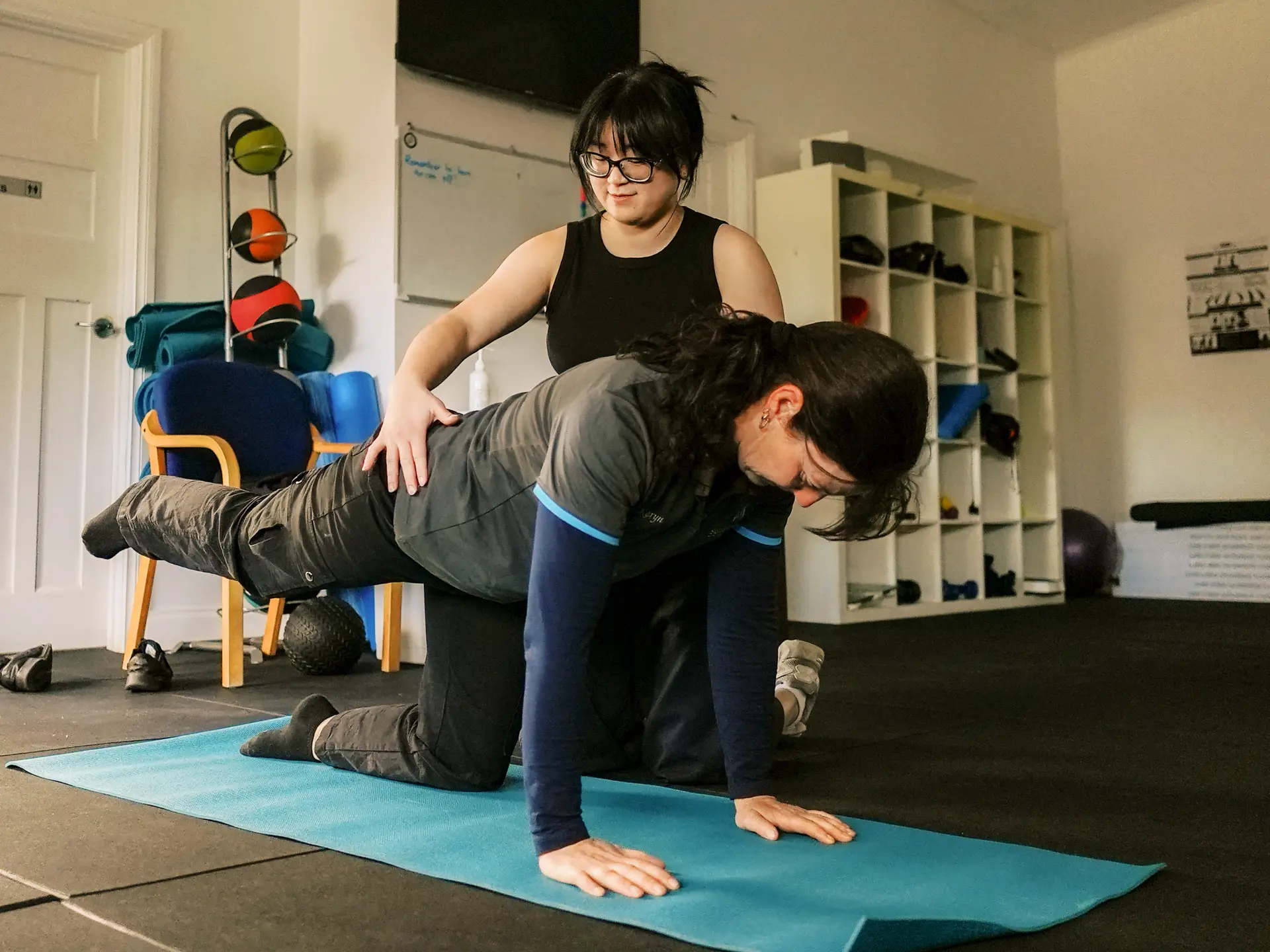
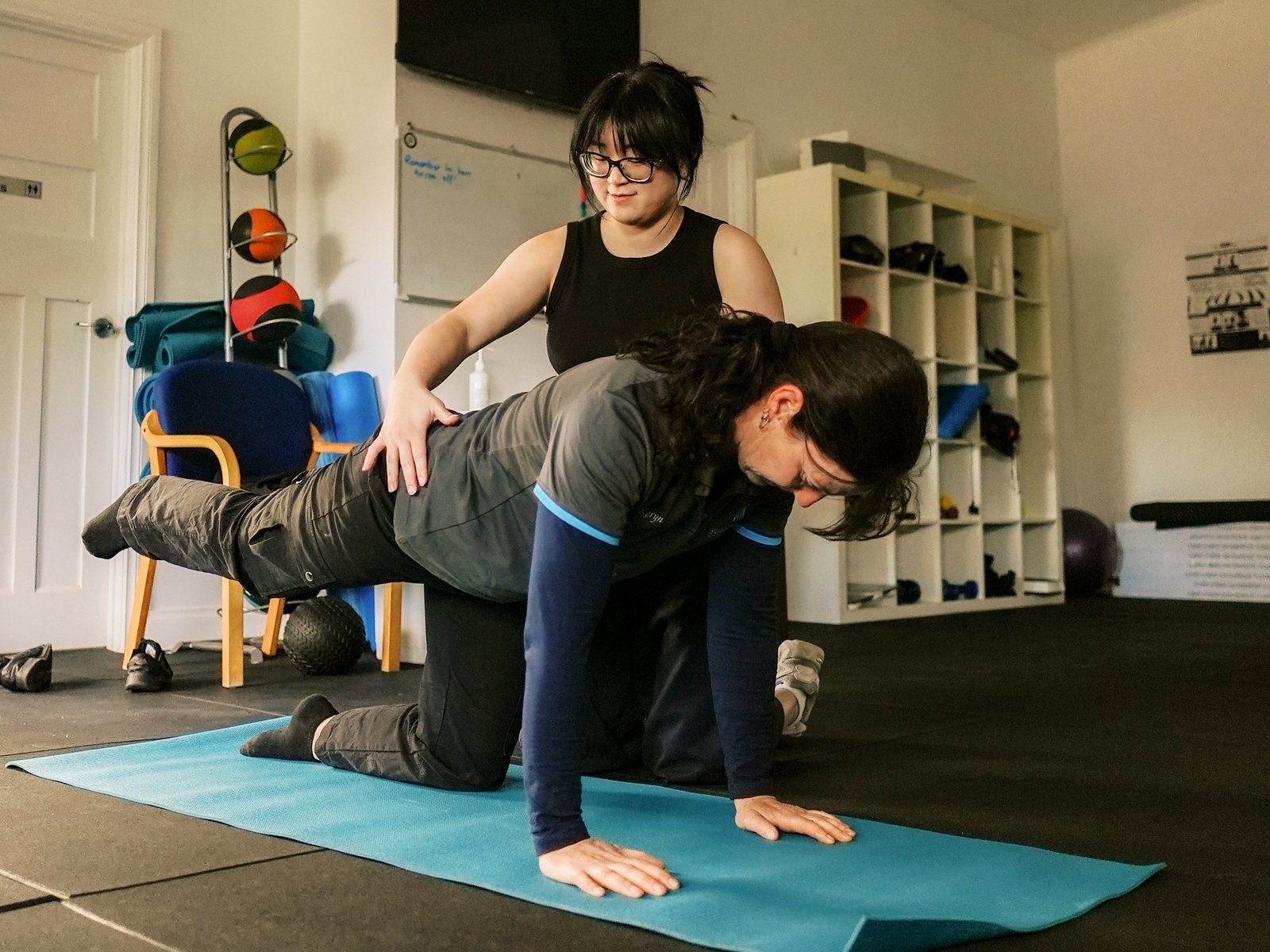
The teenager does the talking wherever they can. Parents usually start the story, but we’ll aim most questions at the young person: when it started, what makes it worse, how they sleep, and what a normal week looks like.
Then comes the examination.
We watch how they bend, twist and walk, check for anything weak or uneven, and sometimes weigh the schoolbag, which surprises both of them. Hands-on treatment takes part of the appointment rather than all of it, because a teenager who lies still for half an hour isn’t learning much they can use at home. Most appointments at The Wellness Place run 30 minutes. Parents stay in the room, and older teenagers often want to answer a few questions alone.
What parents tell us a few weeks in
Nobody comes back and says the pain vanished.
What parents describe is smaller than that. A dad mentions the drive home from training is quieter, and a mum says her daughter has started repacking the bag without being asked twice. Someone else says the flare-ups still happen, but now the teenager knows what to do instead of panicking. That’s a decent outcome for back pain in teenagers: fewer bad weeks, better self-management, and sport still happening.
It doesn’t always work out that way. A few teenagers don’t improve with conservative care, and the honest answer is that we don’t know why their back hurts. When that happens we say so, and we point the family to their GP, or to a physiotherapist for a different approach to loading.
When to see a GP instead
Back pain in a teenager is usually straightforward. A handful of signs need review first. Book a GP appointment and mention the back pain if these apply:
- Pain that wakes them from sleep at night
- Pain lasting more than four to six weeks in the same spot
- Numbness, tingling or weakness in one or both legs
- Unexplained weight loss, fever or night sweats
- Changes to bladder or bowel control
- A visible curve in the spine, or one shoulder sitting higher
- Pain after a fall, or back pain in a child under 10
These red flags are the ones listed by The Royal Children’s Hospital Melbourne, because a small number of adolescent back problems have a cause that hands-on treatment won’t help. Where none apply and the pain behaves like a mechanical problem, seeing a chiropractor or physiotherapist first is reasonable.
Three questions to ask before booking anyone
Whoever you see first, these three questions separate the useful practitioners from the rest.
- Ask what the likely diagnosis is, and what the plan is if nothing has changed in four weeks. A clear review point beats an open-ended course of visits.
- Ask what your teenager will actually do at home. Movement, strength work and load management should feature in the answer.
- Ask how many sessions the practitioner is expecting. You’re entitled to a straight answer before you commit.
| Common complaint | What usually helps | What does not |
|---|---|---|
| Upper back soreness from a schoolbag | A fitted backpack on both shoulders, heavy items packed near the spine | Carrying the bag on one shoulder or by a strap in one hand |
| Neck and shoulder ache after long screen time | Changing position every 30 to 40 minutes and propping the device up | Holding one “correct” posture for hours without moving |
| Low back soreness during a growth spurt | Cutting training volume for a few weeks and building trunk strength | Total rest for weeks, or pushing through a training spike |
| One-sided pain in a repetitive sport | Reviewing technique and weekly load, then a graded return | Stretching harder without changing the schedule |
References
- Better Health Channel: Back pain in children
- Royal Children’s Hospital Melbourne: Back pain
- healthdirect: Back pain
If your teenager’s back has been niggling for weeks, or you’d like the schoolbag weighed, the team at The Wellness Place in Bassendean can help. Call (08) 9379 3838 or book an appointment online. Our chiropractic team works alongside physiotherapy, exercise physiology and Pilates.