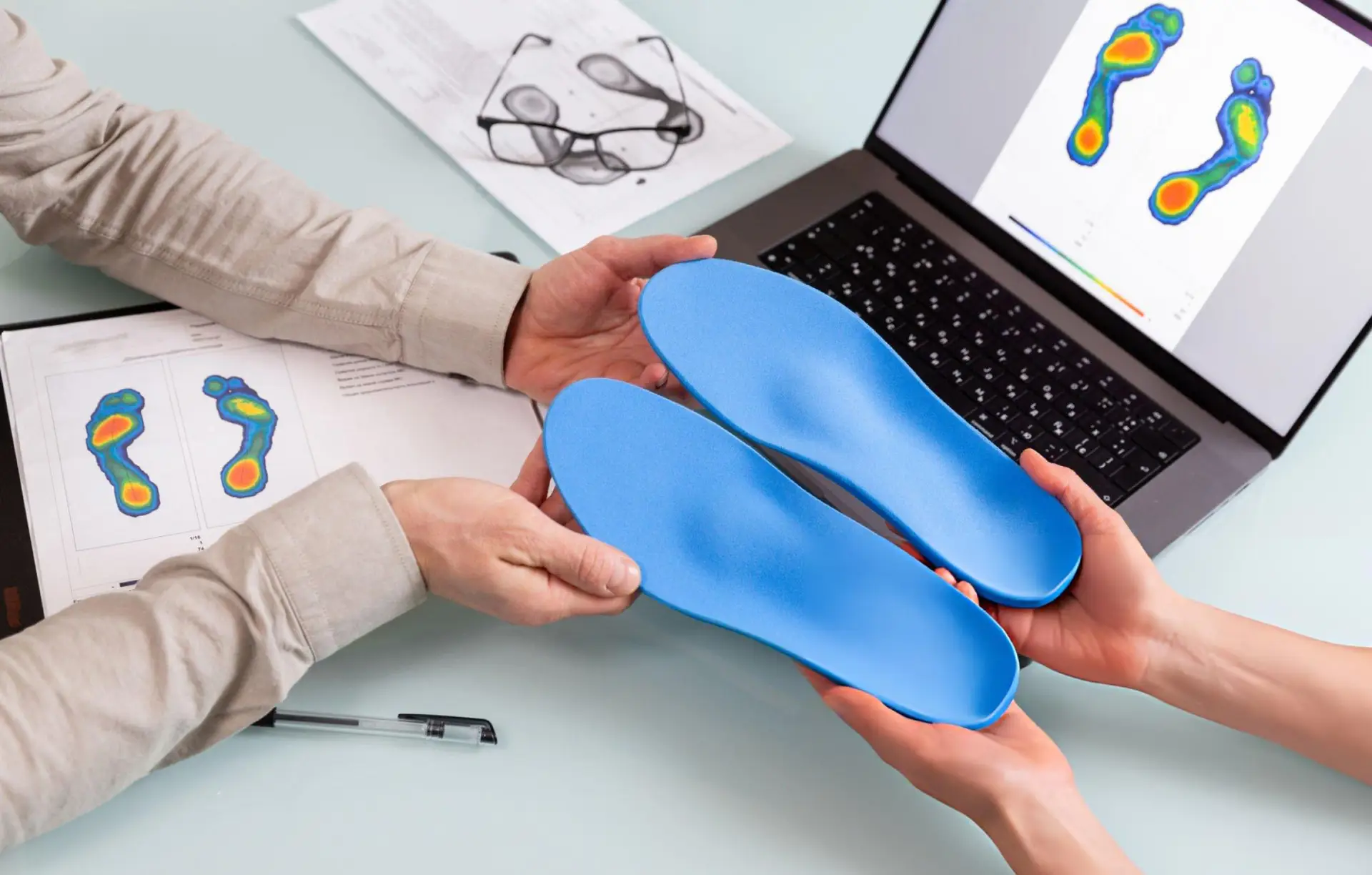
Podiatry consultation at The Wellness Place in Bassendean

Custom Orthotics at The Wellness Place Bassendean: Personalised Support for Every Step

Custom Orthotics at The Wellness Place Bassendean: Personalised Support for Every Step

Your feet carry you through every single day — so why do so many of us wait until they hurt to pay them any attention? At The Wellness Place in Bassendean, we believe your feet deserve better than a one-size-fits-all solution.

If you’ve been dealing with persistent foot pain, shin splints that won’t quit, or that nagging lower back ache that flares up after a long shift, custom orthotics Bassendean might just be the answer you haven’t tried yet. Unlike the gel inserts you grab at the chemist, custom orthotics are designed around your feet, your stride, and your life — not a generic mould of someone else’s.
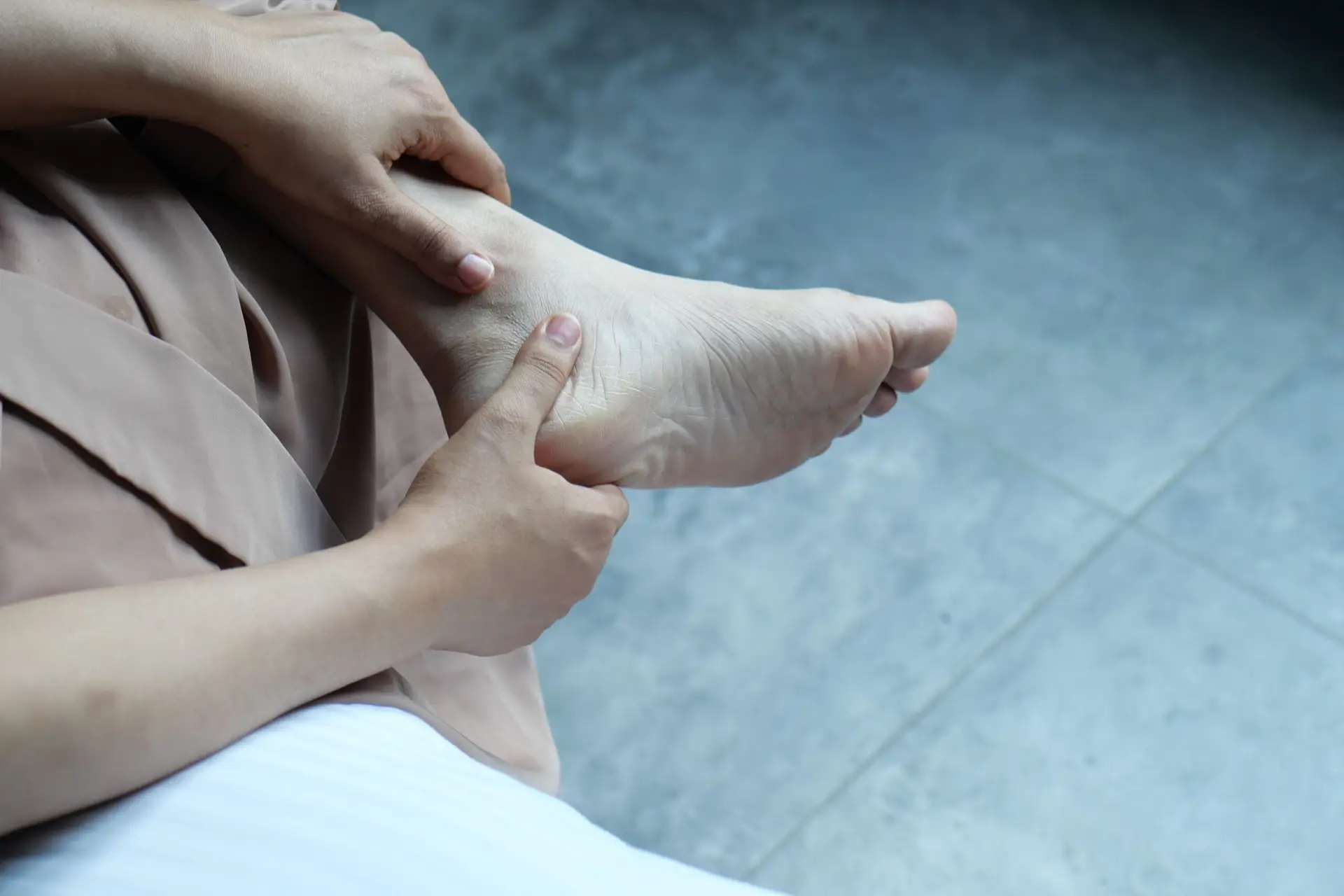
Why Choose Custom Orthotics in Bassendean?

Custom orthotics are medical-grade shoe inserts prescribed by a podiatrist and individually fabricated to match the unique structure and movement patterns of your feet. Think of them as prescription glasses for your gait — they don’t just cushion, they correct.

More Than Just an Insole

A proper custom orthotic does more than make your shoes feel comfier. It works by redistributing pressure across your foot, supporting your arches, and guiding your heel and ankle into a more biomechanically efficient position. The ripple effect? Better alignment all the way up — ankles, knees, hips, and even your lower back can feel the difference.

Research backs this up, too. A 2023 review published in the journal PMC found that custom foot orthoses, created from a 3D scan or weightbearing impression of the patient’s foot, are specifically designed to accommodate individual foot anatomy — something no off-the-shelf insole can genuinely claim1. Meanwhile, a 2025 prospective cohort study demonstrated that custom 3D-printed orthotics significantly shifted plantar pressure to the midfoot and reduced peak pressure at the heel, leading to measurable improvements in comfort and foot function2.

How We Make Your Custom Orthotics

At The Wellness Place, we don’t believe in guesswork. Every pair of custom orthotics we prescribe goes through a thorough, technology-driven process that leaves nothing to chance.

Step 1: Your Gait Analysis & 3D Foot Scan

Your journey starts with a comprehensive assessment. Aaron Gregory, our sports podiatrist, will sit down with you to understand your lifestyle, symptoms, and goals — whether that’s running a marathon pain-free or simply getting through a workday without aching feet.

From there, we use advanced 3D scanning technology to capture thousands of data points from your feet in a matter of seconds. No messy plaster casts, no awkward foam boxes — just a precise digital map of every arch, contour, and pressure point. Combined with a dynamic gait analysis — where we watch and measure how you actually walk and run — we build a complete picture of what your feet need.

Step 2: Precision Manufacturing

Your digital scan and prescription are sent to a specialist orthotics laboratory, where skilled technicians fabricate your orthotics from high-quality materials selected specifically for your needs — whether that’s a firmer shell for structural correction or cushioning layers for high-impact activities. Modern labs use CAD/CAM technology to mill or 3D-print each pair with sub-millimetre accuracy.

Step 3: Fitting & Fine-Tuning

Once your orthotics arrive back at the clinic, we don’t just hand them over and wish you luck. Aaron checks the fit in your footwear, watches you walk with them in place, and makes any adjustments needed. You’ll also get clear advice on how to break them in gradually — because your feet need time to adapt to being properly supported. A follow-up review ensures everything is working exactly as it should.

Who Benefits from Custom Orthotics?

The short answer? Almost anyone. But here are three groups we see most often at our Bassendean clinic.

Runners & Active Lifestyles

If you log kilometres on pavement or trail, your feet absorb forces up to three times your body weight with every stride. Custom orthotics help manage that load efficiently, reducing the risk of common overuse injuries like plantar fasciitis, shin splints, and Achilles tendinopathy. Aaron knows this world inside out — he’s a competitive runner himself, having competed in State Athletics for over a decade and represented Australia at the World Cross Country Championships.

Kids & Growing Feet

Children’s feet aren’t just miniature adult feet — they’re still developing. Issues like flat feet, in-toeing, or growing pains can often be addressed early with properly prescribed orthotics, potentially preventing problems that would otherwise follow them into adulthood. Aaron has a special interest in paediatric and adolescent foot health, making The Wellness Place a trusted choice for families across Bassendean and beyond.

Workers on Their Feet All Day

Nurses pulling 12-hour shifts. Teachers who barely sit down between 9 and 3. Retail and hospitality staff on hard concrete floors. If your job keeps you standing, your feet are taking a beating — and custom orthotics can make a genuine difference. By improving weight distribution and reducing fatigue, they help you finish your shift with more energy and less pain.

Custom vs Off-the-Shelf: What’s the Difference?

It’s a fair question — especially when you can grab a pair of insoles from the pharmacy for $30. Here’s the honest breakdown.

Off-the-shelf orthotics (or prefabricated insoles) are mass-produced to a generic foot shape. They can provide some cushioning and mild arch support, and they may be a reasonable first step for very mild, generalised discomfort. Some studies have even found them comparable to custom orthotics for certain conditions like mild plantar fasciitis3.

However, where they fall short is in specificity. They can’t correct for the unique way your foot pronates (rolls inward) or supinates (rolls outward). They can’t accommodate a leg-length discrepancy or offload a particular pressure point that’s causing you grief. Custom orthotics are prescribed to address your individual biomechanics — and when the problem is structural, that precision matters.

Think of it this way: reading glasses from the chemist might help in a pinch, but if you’ve got a complex prescription, you go to an optometrist. Your feet deserve the same level of care.

Meet Aaron Gregory — Your Sports Podiatrist

You don’t want just anyone looking after your feet. Aaron Gregory brings a rare combination of clinical expertise and firsthand athletic experience to every consultation at The Wellness Place.

A former competitive runner who represented Australia at the World Cross Country Championships, Aaron knows what it’s like to push your body — and what it takes to keep it functioning at its best. His areas of interest include sporting injuries, biomechanics, paediatric and adolescent foot health, nail procedures, and clinical podiatry. He’s also, in his own words, a “footwear enthusiast” — so if you need advice on the right shoes to pair with your new orthotics, you’re in good hands.

What to Expect: Timeline & Investment

From your first appointment to walking out with your finished orthotics, the process typically takes around 2 to 3 weeks. Here’s how it generally flows:

  • Initial consultation & scanning: One 45–60 minute appointment where Aaron assesses your feet, captures your 3D scan, and discusses your prescription.
  • Manufacturing: Your orthotics are fabricated by a specialist lab — this usually takes 1–2 weeks.
  • Fitting appointment: A shorter session to check the fit, make any adjustments, and give you your wear-in plan.
  • Follow-up review: 2–4 weeks later, we check in to make sure everything’s tracking well.

As for cost, custom orthotics are an investment in your long-term foot health. Prices vary depending on the complexity of your prescription and the materials used. Aaron will provide a clear quote at your initial consultation — no surprises, no hidden extras. Many private health funds provide rebates for custom orthotics under podiatry extras cover, and we can help you check what you’re entitled to.

Ready to Take the First Step?

You don’t have to live with foot pain. Whether you’re a runner chasing a PB, a parent worried about your child’s gait, or someone who simply wants to get through the workday without sore feet, custom orthotics could be the game-changer you’ve been looking for.

At The Wellness Place, we’re proud to serve the Bassendean community with genuine, personalised care — and we’d love to help you move better.

Call us on (08) 9379 3838 to book your initial consultation with Aaron Gregory, or visit us at 103 Old Perth Road, Bassendean. You can also book online at thewellnessplace.com.au.

Your feet work hard for you. It’s time to return the favour.


References:

  1. Comparing the Utility of Custom Foot Orthoses vs Prescription-grade Prefabricated Foot Orthoses. PMC, 2023. View source.
  2. Clinical Evaluation of Novel Custom 3D-Printed Meshed-Silicone Orthoses. PMC, 2025. View source.
  3. Custom-Made Foot Orthoses versus Prefabricated Foot Orthoses: A Review of Clinical Effectiveness and Cost-Effectiveness. CADTH/NCBI Bookshelf, 2019. View source.
Chiropractor guiding back rehabilitation exercises at The Wellness Place in Bassendean

Heel Pain: Why It Happens and How Podiatry Gets You Back on Your Feet

That first step out of bed in the morning — the one that feels like a nail driving through your heel — has a name. It’s called post-static dyskinesia, and it’s the hallmark of plantar heel pain, the most common condition seen in podiatry clinics Australia-wide. If you’ve been wincing through your mornings or cutting your walks short because of heel pain, you’re not alone — and more importantly, you don’t have to live with it.

Plantar heel pain affects roughly 10% of the population at some point in their lives, with runners, people who stand for work, and those carrying extra weight at highest risk.1 The condition accounts for an estimated 1% of all visits to healthcare professionals — and yet a surprising number of people wait months before seeking help, hoping it will resolve on its own. It rarely does.

What’s actually happening under your heel?

The plantar fascia is a thick band of connective tissue that runs from the heel bone (calcaneus) to the bases of the toes. It supports the arch of the foot, absorbs shock during walking and running, and acts as a windlass mechanism — tightening as the toes extend to create a rigid lever for push-off.

When the plantar fascia is overloaded beyond its capacity, it develops a degenerative process that we now understand is not primarily inflammatory. The old term “plantar fasciitis” implied acute inflammation (“-itis”), but research over the last 15 years shows the pathology is closer to a tendinopathy — a failed healing response with collagen degeneration, increased ground substance, and neovascularisation.2 This is why anti-inflammatory medications alone rarely provide lasting relief.

Common causes and risk factors

  • Training load errors: Sudden increases in running volume, hill work, or speed sessions overload the plantar fascia faster than it can adapt.
  • Footwear changes: Switching abruptly to minimalist shoes, worn-out trainers, or unsupportive work shoes alters the mechanical load on the fascia.
  • Calf tightness: A restricted gastrocnemius-soleus complex limits ankle dorsiflexion, increasing strain on the plantar fascia with every step.
  • BMI and metabolic factors: Higher body weight increases the tensile load through the fascia. There is also emerging evidence linking plantar heel pain to metabolic conditions including type 2 diabetes.
  • Foot posture: Both excessively flat (pronated) and excessively high-arched (supinated) foot types can predispose to overload through different mechanisms.
  • Occupation: Jobs requiring prolonged standing — teaching, nursing, hospitality, retail — are strongly associated with plantar heel pain.

Is it actually plantar fasciitis? — differential diagnosis

Not all heel pain is plantar fascia pain. A thorough clinical assessment is essential because the management of each condition differs significantly.

Fat pad atrophy

The heel fat pad is a specialised shock-absorbing structure that thins with age. Pain is typically central, directly under the calcaneus, and worse on hard surfaces. Unlike plantar fascia pain, there is no morning first-step pain — discomfort builds through the day.

Baxter’s nerve entrapment

The first branch of the lateral plantar nerve can become entrapped between the abductor hallucis and quadratus plantae muscles. Pain is often more medial and may radiate. There is frequently tenderness at a specific point inferior to the medial malleolus rather than at the plantar fascia origin.

Calcaneal stress fracture

More common in runners and military recruits. Pain is often constant rather than just with first steps, and the heel squeeze test (medial-lateral compression of the calcaneus) is positive. Suspect this when pain is unremitting and not responding to typical plantar fascia management.

Tarsal tunnel syndrome

Compression of the posterior tibial nerve produces burning, tingling, or shooting pain that may extend into the sole of the foot. Tinel’s sign (tapping over the tarsal tunnel) is often positive.

Why resting won’t fix it — the evidence for active treatment

Complete rest is a common instinct but a poor strategy for plantar heel pain. The plantar fascia is a load-bearing structure — completely unloading it leads to deconditioning, reduced tissue capacity, and a high recurrence rate when activity resumes. The evidence strongly supports load management — reducing aggravating loads to a tolerable level while maintaining activity — combined with targeted strengthening.

A landmark randomised controlled trial by Rathleff et al. (2015) demonstrated that a simple progressive high-load strengthening program (heel raises with a towel under the toes) produced superior outcomes compared to stretching alone at 3, 6, and 12-month follow-up.3 The mechanism is thought to be increased tendon stiffness and capacity through collagen adaptation.

How podiatry treats heel pain

1. Accurate diagnosis

Your first consultation with a sports podiatrist includes: detailed history (onset, aggravating/relieving factors, training history, footwear), gait analysis (walking and running if relevant), biomechanical assessment of foot posture and lower limb alignment, calf flexibility testing, and diagnostic ultrasound if indicated to visualise plantar fascia thickness and integrity.

2. Load management and activity modification

We don’t tell runners to stop running — we modify the load. This might mean: reducing weekly volume by 30-50% temporarily, substituting some running with cross-training (cycling, swimming), avoiding hill work and speed sessions during the early rehab phase, and using relative rest principles — keeping pain below 3-4/10 during and after activity.

3. Progressive strengthening

The Rathleff protocol — heel raises with a rolled towel under the toes to isolate the plantar fascia — performed every second day, progressing from 3×12 to 3×12 with added weight in a backpack. This is the highest-evidence intervention for chronic plantar heel pain and costs nothing to perform at home.

4. Orthotic therapy — when indicated, not routine

Not every patient with heel pain needs orthotics. Custom foot orthoses are prescribed when there is a clear biomechanical driver — excessive pronation that loads the fascia asymmetrically, a leg length discrepancy affecting gait mechanics, or specific structural foot types that fail to respond to strengthening alone. When used, they are part of a comprehensive plan, not a standalone fix. 3D scanning ensures precise fit and contour.

5. Night splints and taping

Low-Dye taping provides immediate short-term pain relief by supporting the arch and offloading the plantar fascia. Night splints that maintain the ankle in a neutral position can help reduce morning pain by preventing overnight plantarflexion contracture, though compliance is variable.

6. Extracorporeal shockwave therapy (ESWT)

For chronic cases (symptoms >6 months not responding to loading programs), shockwave therapy has Level 1 evidence for reducing pain and improving function. It works by stimulating neovascularisation and disrupting dysfunctional pain signalling.

What about injections?

Corticosteroid injections provide short-term pain relief (weeks, not months) but do not address the underlying pathology, and there is some evidence of increased risk of plantar fascia rupture and fat pad atrophy with repeated injections. They have a role in breaking a severe pain cycle to allow rehabilitation to proceed, but should not be first-line or repeated treatment. Platelet-rich plasma (PRP) injections are an emerging option with some supportive evidence but remain an area of ongoing research.

The role of the wider allied health team

Heel pain is rarely just about the foot. At The Wellness Place, your team can include:

  • Physiotherapy for calf and posterior chain strengthening, running retraining, and addressing any hip or knee contributions to altered gait mechanics.
  • Exercise Physiology for a structured return-to-running or return-to-work program, and managing weight and metabolic factors that impair tendon healing.
  • Remedial Massage for calf, hamstring, and intrinsic foot muscle release — reducing the upstream tension that increases plantar fascia load.
  • Chiropractic for pelvic and lower limb alignment — because a unilateral anterior pelvic tilt shifts ground reaction force distribution through the feet.

What does a realistic recovery look like?

Tissue adaptation takes time. Here’s what to expect:

Timeframe What to expect
Weeks 1–2 Reduced morning pain with load modification, taping, and gentle isometric holds
Weeks 3–6 Progressive strengthening taking effect; walking tolerance improving; able to resume modified running
Weeks 6–12 Significant functional gains; returning to full training loads gradually; morning pain resolved or minimal
3–6 months Full resolution in most cases; ongoing maintenance strengthening recommended to prevent recurrence

The single best predictor of a good outcome is compliance with a strengthening program. Heel raises every second day, progressively loaded, produces better results than passive treatments alone.

When surgery should be considered

Plantar fascia release surgery is reserved for cases that have failed at least 6–12 months of comprehensive conservative management. It is rarely necessary — fewer than 5% of cases require surgical intervention. Before considering surgery, ensure that load management, progressive strengthening, orthotics (if indicated), shockwave therapy, and any metabolic contributing factors have all been addressed.

The bottom line

Heel pain is common, treatable, and in most cases responds to structured conservative care without injections or surgery. The key is getting the right diagnosis early and committing to a strengthening program that builds your foot’s capacity rather than just chasing short-term pain relief.

If you’ve been putting up with that first-step pain for weeks or months — it’s time to do something about it.

Book an appointment with Dr Aaron Gregory, sports podiatrist at The Wellness Place, or call (08) 9379 3838. Located at 103 Old Perth Road, Bassendean — comprehensive foot care with a team that treats the whole person, not just the heel.


Written by Dr Aaron Gregory (B. Pod Med, M Sports Med) and the multidisciplinary team at The Wellness Place. Evidence-based podiatry grounded in clinical experience and current research.

  1. Riddle DL, Pulisic M, Pidcoe P, Johnson RE. Risk factors for plantar fasciitis: a matched case-control study. Journal of Bone and Joint Surgery. 2003;85(5):872–877.
  2. Lemont H, Ammirati KM, Usen N. Plantar fasciitis: a degenerative process without inflammation. Journal of the American Podiatric Medical Association. 2003;93(3):234–237.
  3. Rathleff MS, Molgaard CM, Fredberg U, et al. High-load strength training improves outcome in patients with plantar fasciitis: a randomized controlled trial with 12-month follow-up. Scandinavian Journal of Medicine and Science in Sports. 2015;25(3):e292–300.