Forefoot pain — that sharp, burning, or aching sensation in the ball of your foot — is more common than most people realise. It can turn a simple walk to the shops into a miserable experience and stop you from doing the activities you love. Fortunately, most causes of forefoot pain are highly treatable once you get the right diagnosis.
If you’re limping through your day in Bassendean or the surrounding Perth suburbs with pain under the front of your foot, you’re not alone. Forefoot pain affects roughly 10% of the general population at any given time, with prevalence rising significantly in older adults and those who spend long hours on their feet (Bowen et al., 2024; Dunn et al., 2004). The good news? Our podiatry team at The Wellness Place — led by experienced sports podiatrist Dr Aaron Gregory — can help you identify exactly what is going on and get you back to moving pain-free.
What Exactly Is Forefoot Pain?
“Forefoot pain” is a broad term that describes discomfort in the ball of your foot — the padded area between your arches and your toes. This region bears a huge amount of weight every time you take a step, and when something goes wrong, even standing still can hurt.
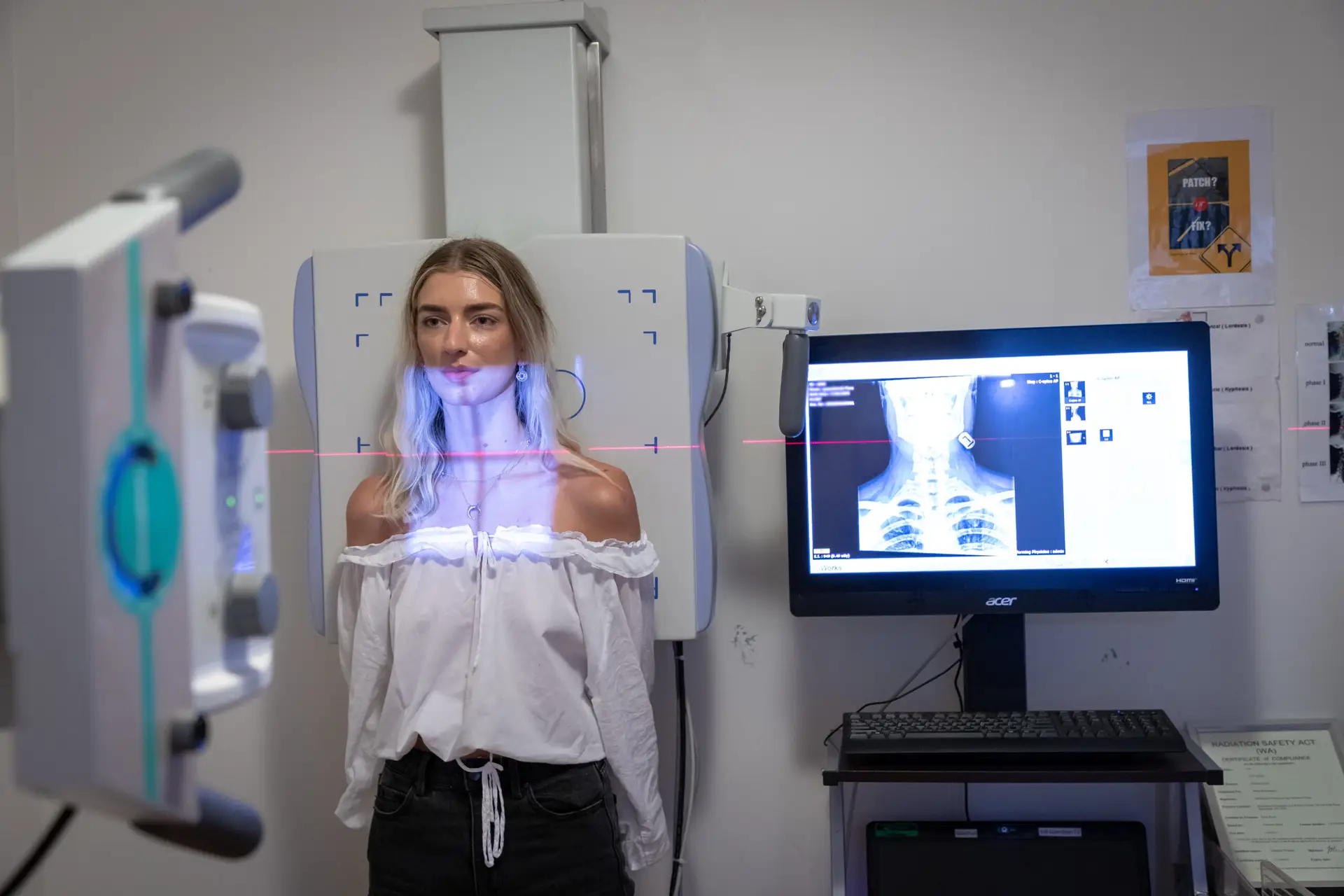
The tricky thing about forefoot pain is that many different conditions can cause very similar symptoms. That’s why a proper diagnosis is the critical first step. At The Wellness Place in Bassendean, we take the time to listen to your story, examine your foot mechanics, and use diagnostic imaging when needed to pinpoint the underlying cause.
Common Causes of Forefoot Pain
Morton’s Neuroma
One of the most well-known causes of forefoot pain, Morton’s neuroma is a benign thickening of the nerve tissue between the metatarsal bones — most often between the third and fourth toes. People describe it as feeling like they’re “walking on a marble” or a bunched-up sock. Symptoms typically include burning pain, tingling, or numbness in the forefoot that radiates into the toes. Tight shoes and high heels often make it worse, while removing your shoes and massaging the area can bring temporary relief (Cleveland Clinic, 2023).
Metatarsalgia
Metatarsalgia is a general term for pain and inflammation in the metatarsal heads — the knuckle-like ends of the long bones in your forefoot. It’s essentially a overload injury of the ball of the foot, often caused by high-impact activities like running and jumping, wearing unsupportive footwear, or carrying excess body weight. The pain is usually felt as a dull ache that worsens with standing or walking (Mayo Clinic, 2024).
Stress Fractures
A stress fracture in the metatarsal bones is a small crack caused by repetitive force, rather than a single traumatic event. These are especially common in runners who rapidly increase their training volume and in individuals with osteoporosis. The hallmark symptom is pain that gets worse with activity and improves with rest, along with pinpoint tenderness when pressing on the affected bone.
Freiberg’s Disease
Freiberg’s disease — also known as Freiberg’s infraction — is a less common condition involving avascular necrosis (loss of blood supply) to the metatarsal head, usually the second metatarsal. It most frequently affects adolescent girls and typically presents as stiffness, swelling, and localised pain around the affected joint. Early diagnosis is important, as conservative treatment with activity modification, orthotics, and sometimes immobilisation can often prevent the need for surgery (Merck Manual, 2024).
Capsulitis
Capsulitis refers to inflammation of the ligament (capsule) that surrounds the joint at the base of your toes. It is most common at the second toe and can be a precursor to more serious problems like a plantar plate tear or a dislocated toe. Symptoms include swelling at the base of the toe, a feeling of instability, and pain when pushing off during walking or running. Early treatment with taping, footwear changes, and orthotics can prevent the condition from progressing (NHS Kent Community Health, 2025).
Sesamoiditis
The sesamoids are two tiny, pea-shaped bones embedded in the tendons beneath the big toe joint. Sesamoiditis is an overuse condition where these bones become inflamed, typically affecting dancers, runners, and those who spend a lot of time on tip-toes. The pain is felt directly under the big toe joint and can make bending the big toe extremely uncomfortable. Conservative treatment — rest, ice, cushioned footwear, and orthotics — is effective for the vast majority of cases (AAOS, 2024).
How Is Forefoot Pain Diagnosed?
Getting the right diagnosis starts with a thorough consultation. Your podiatrist will ask about your symptoms, activity levels, and footwear habits, and then perform a physical exam to assess foot posture, range of motion, and tender areas. Depending on what they find, they may recommend:
- X-rays — to check for stress fractures, Freiberg’s disease, or arthritis
- Ultrasound — to visualise Morton’s neuroma, capsulitis, or plantar plate tears
- MRI — for detailed assessment of bone and soft tissue structures
Treatment Options for Forefoot Pain
Footwear Modification
One of the simplest and most effective treatment strategies is changing what you put on your feet. We recommend shoes with a wide toe box, good arch support, and a stiff sole to reduce pressure on the forefoot. High heels and pointed-toe shoes are best avoided while your foot is healing.
Custom Orthotics
At The Wellness Place, our podiatrists design custom foot orthotics that are tailored to your unique foot shape and biomechanics. These devices redistribute pressure away from painful areas, support optimal foot function, and can make an enormous difference for conditions like metatarsalgia, Morton’s neuroma, and sesamoiditis.
Activity Modification and Rehabilitation
Sometimes you simply need to give your foot a break. Reducing high-impact activities, cross-training with swimming or cycling, and following a structured rehabilitation program can allow inflamed tissues to settle and prevent the problem from returning.
Injection Therapy
For stubborn cases, ultrasound-guided corticosteroid injections can provide powerful anti-inflammatory relief directly to the affected area. This is particularly effective for Morton’s neuroma and capsulitis, where inflammation is a major driver of symptoms. Our team can discuss whether this option is appropriate for you (StatPearls, 2024).
Other Conservative Options
Ice therapy, non-steroidal anti-inflammatory medications (NSAIDs), stretching programs (particularly for the calf muscles and plantar fascia), and manual therapy all play a role in managing forefoot pain and preventing recurrence.
Why Choose The Wellness Place for Forefoot Pain Treatment in Bassendean?
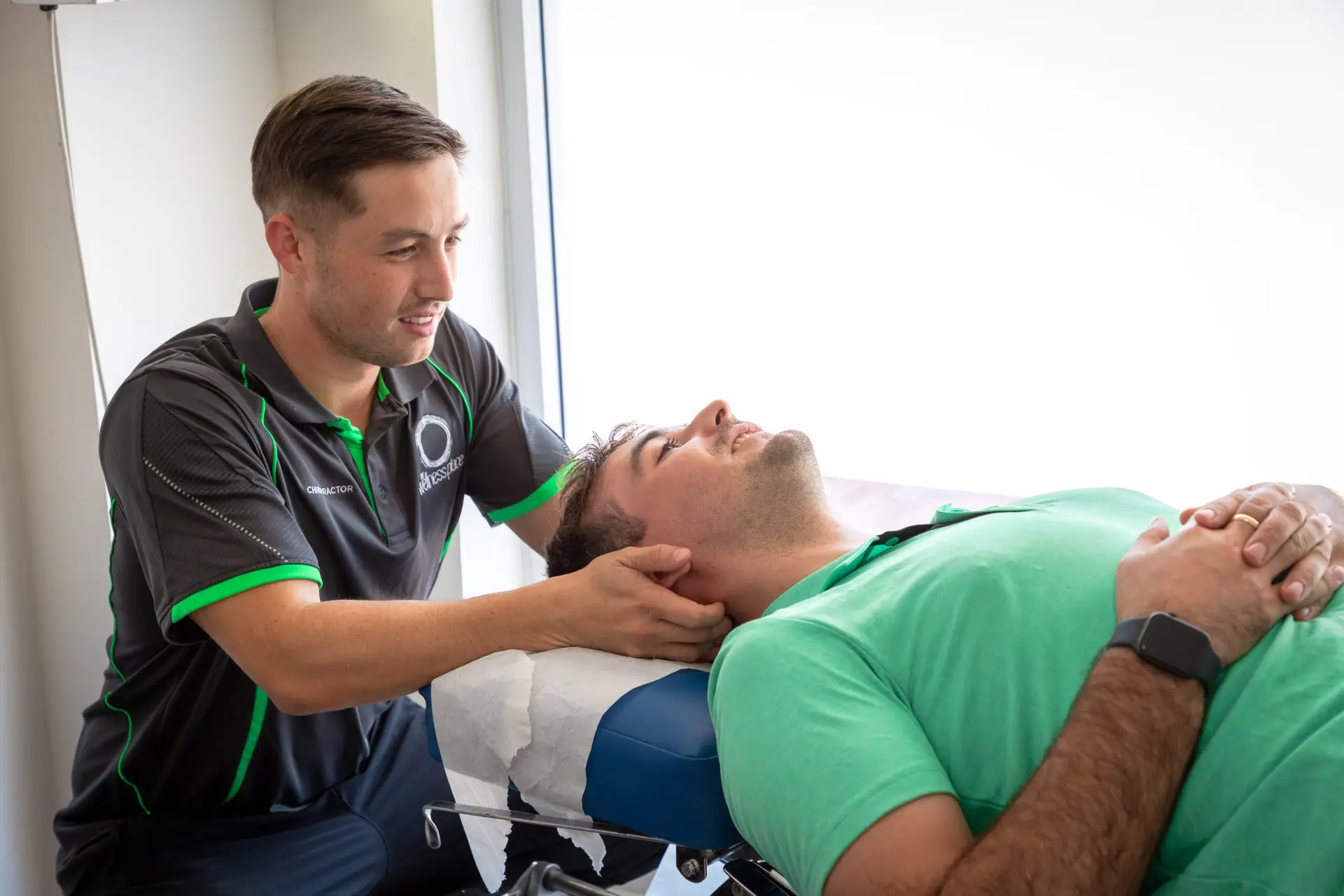
When you visit our Bassendean clinic, you’re not just seeing a podiatrist — you’re stepping into a multidisciplinary allied health team where your podiatrist, physiotherapist, chiropractor, exercise physiologist, and massage therapist can all collaborate on your care. This means your treatment is coordinated, comprehensive, and tailored to you.
Dr Aaron Gregory leads our podiatry team. A former state-level basketballer and Australian representative at the World Cross Country Championships, Dr Aaron understands the demands active people place on their feet. He brings a genuine, caring approach to every consultation — because, as he puts it, “like most things in life, it’s the simple things done consistently and well that produce the best results.”
Ready to Put Your Best Foot Forward?
You don’t need to live with forefoot pain. Whether you’ve been struggling for weeks or years, the right diagnosis and treatment plan can make all the difference.
Call us today on (08) 9379 3838 to book an appointment with Dr Aaron Gregory or another member of our podiatry team at The Wellness Place, 103 Old Perth Road, Bassendean. Let’s get you back on your feet — pain-free.