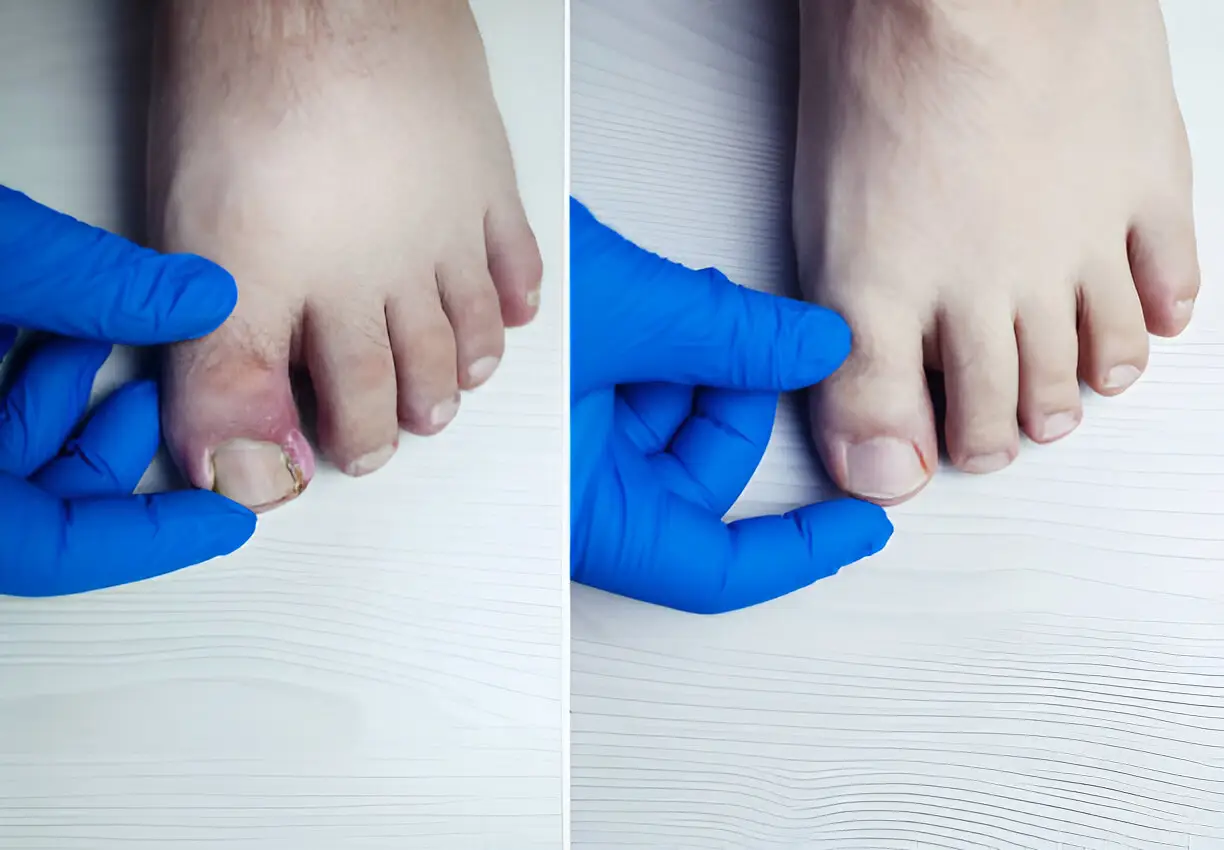
Ingrown Toenails: Why That “Quick Fix” Can Make Everything Worse

You know the feeling — that sharp, throbbing pain every time your toe nudges the inside of your shoe. An ingrown toenail starts as a minor annoyance and can spiral into something that makes walking, exercising, or even wearing socks genuinely miserable.

If you’re searching for effective ingrown toenail treatment in Bassendean, you’re in the right place. At The Wellness Place, our podiatry team — led by sports podiatrist Aaron Gregory — sees ingrown toenails every single week. And here’s the thing: most people come in after trying to fix it themselves first, which almost always makes the problem worse. Let’s walk through what’s really going on, why your bathroom surgery needs to stop, and how we get you out of pain — often in a single appointment.
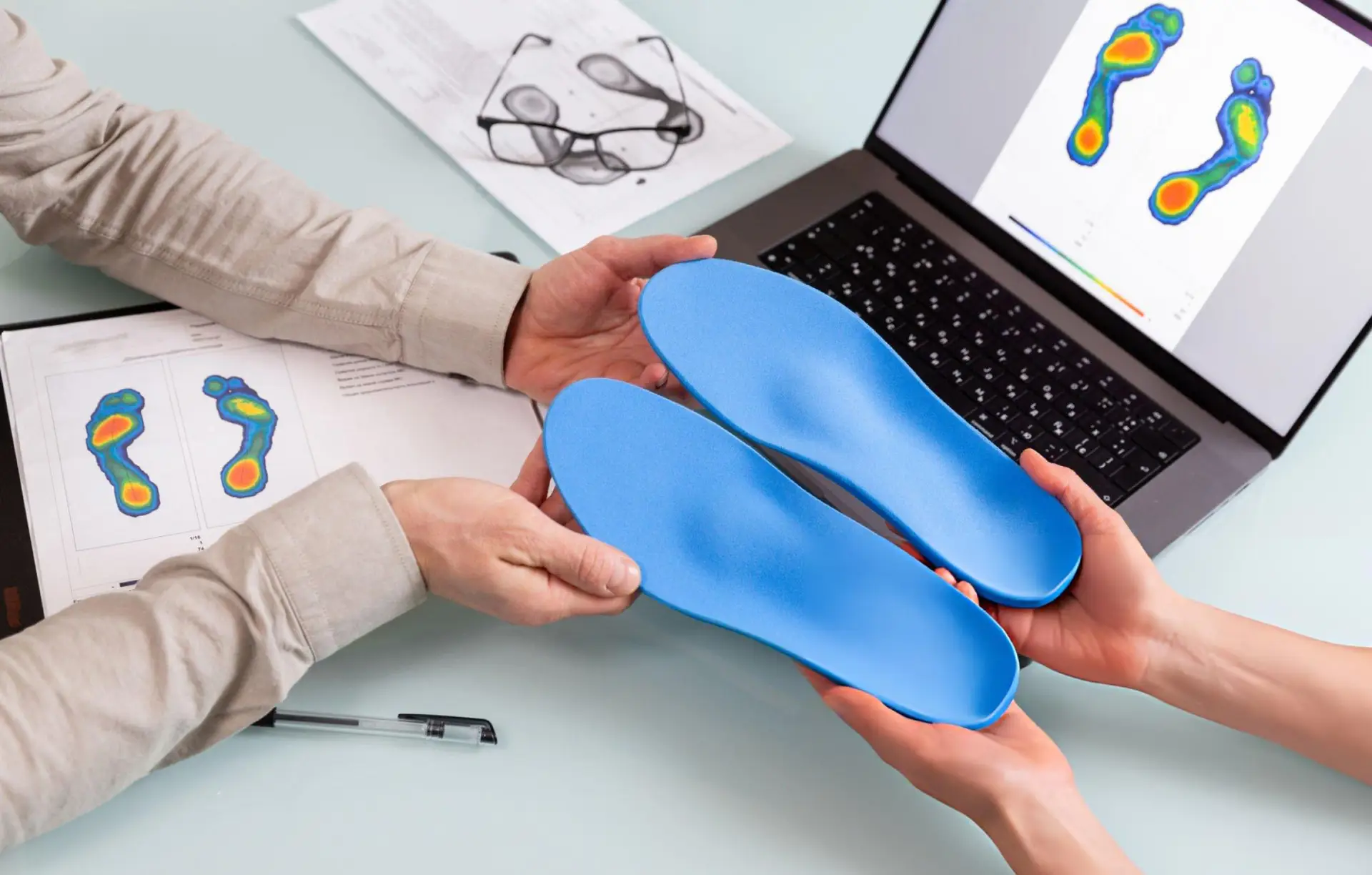
Custom Orthotics at The Wellness Place Bassendean: Personalised Support for Every Step

Your feet carry you through every single day — so why do so many of us wait until they hurt to pay them any attention? At The Wellness Place in Bassendean, we believe your feet deserve better than a one-size-fits-all solution.

If you’ve been dealing with persistent foot pain, shin splints that won’t quit, or that nagging lower back ache that flares up after a long shift, custom orthotics Bassendean might just be the answer you haven’t tried yet. Unlike the gel inserts you grab at the chemist, custom orthotics are designed around your feet, your stride, and your life — not a generic mould of someone else’s.

Heel Pain: Why It Happens and How Podiatry Gets You Back on Your Feet

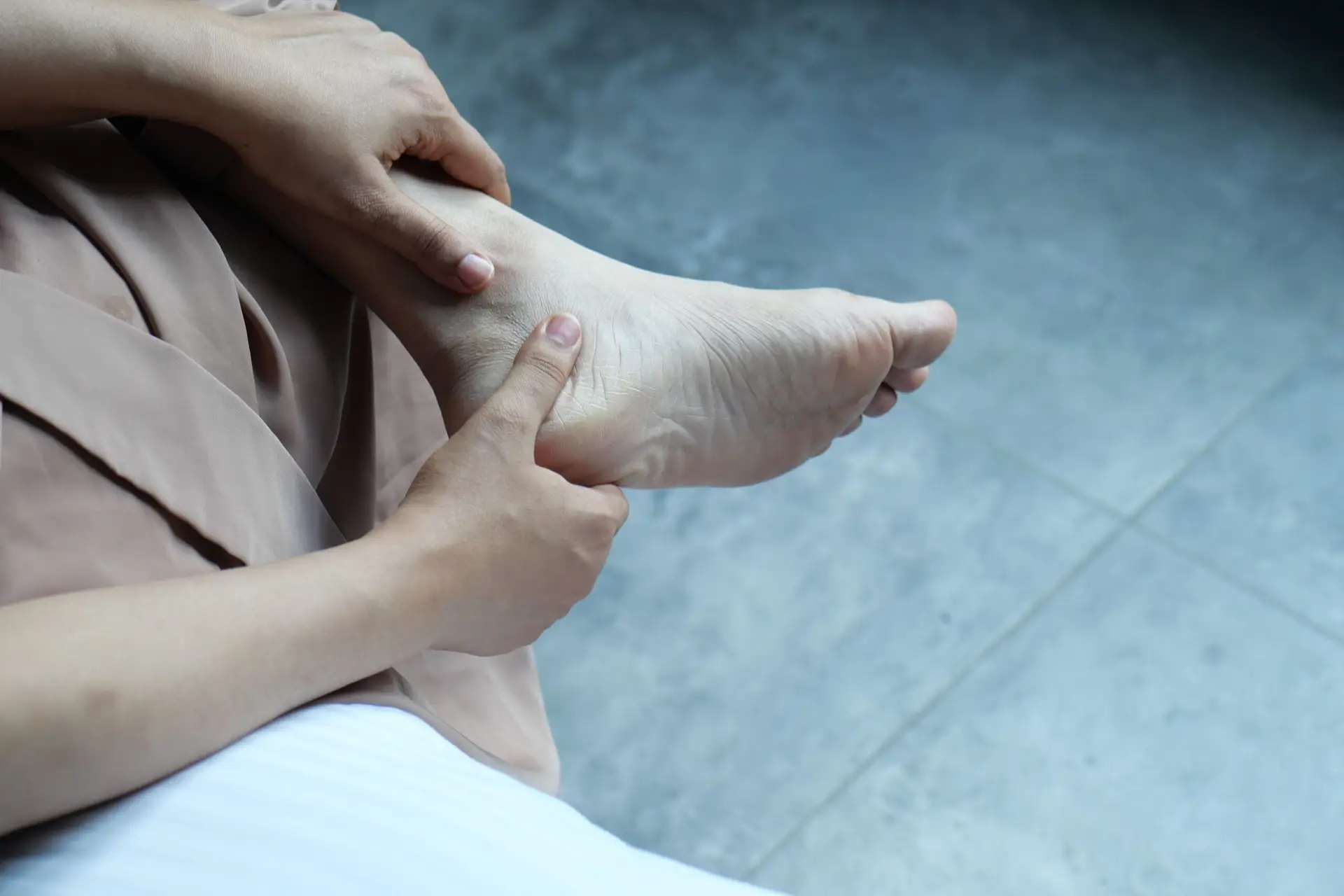
That first step out of bed in the morning — the one that feels like a nail driving through your heel — has a name. It’s called post-static dyskinesia, and it’s the hallmark of plantar heel pain, the most common condition seen in podiatry clinics Australia-wide. If you’ve been wincing through your mornings or cutting your walks short because of heel pain, you’re not alone — and more importantly, you don’t have to live with it.

Plantar heel pain affects roughly 10% of the population at some point in their lives, with runners, people who stand for work, and those carrying extra weight at highest risk. The condition accounts for an estimated 1% of all visits to healthcare professionals — and yet a surprising number of people wait months before seeking help, hoping it will resolve on its own. It rarely does.