What Is an Accredited Exercise Physiologist (and When Do You Need One)?
What Is an Accredited Exercise Physiologist (and When Do You Need One)?
An accredited exercise physiologist is a university-qualified allied health professional who programs exercise for people with a diagnosed condition. The distinction from a personal trainer isn’t fitness knowledge. It’s clinical governance: screening, risk management and accountability when your health is already complicated.
The difference that matters: who can work with a diagnosis
Picture two people with the same gym membership. One has no diagnoses. The other has type 2 diabetes, a stent and a knee replacement. A personal trainer can help both of them get stronger, and plenty do it well. The question isn’t who cares more or who knows more about squats.
It’s who is qualified, insured and clinically accountable to work with a diagnosed condition. That part rarely gets explained.
Personal trainers complete a vocational qualification, usually a Certificate IV or Diploma in Fitness, and register with AUSactive, the peak body for Australia’s exercise and active health sector. Their scope covers assessment, program design and supervised sessions for generally healthy, low-risk clients. That scope is legitimate. It also has a boundary.
An accredited exercise physiologist sits on the other side of it. ESSA, the sole accrediting authority in Australia, requires four years of study and 360 hours of supervised practical experience with clinical populations before accreditation is granted. Both roles are registered, insured and bound by a code of conduct, but only one is set up to take a referral from your cardiologist.
What an Accredited Exercise Physiologist can do that a trainer cannot
The gap opens at screening. Before your first session, an accredited exercise physiologist reviews your medical history, medications, recent pathology and specialist letters, then decides which tests are safe. That might be resting blood pressure and heart rate, a six-minute walk test, or a validated pre-exercise screening questionnaire.
Clinical reasoning comes next. Beta-blockers blunt your heart rate response, which makes a target heart rate zone close to useless, so the program is prescribed by rating of perceived exertion instead. Insulin and sulfonylureas raise the risk of a hypoglycaemic episode during and after exercise, which changes timing, duration and fuelling. Statins sometimes produce muscle symptoms that look like overtraining. A trainer might spot the symptom. An AEP knows why it’s there and what it means for the next block.
Communication is the third difference. AEPs work alongside your GP and specialists, and they adjust the program when your medication or condition changes. Under Medicare that reporting isn’t a courtesy, it’s a requirement: a written report goes back to the referring doctor.
AEPs are providers under Medicare chronic disease management, NDIS, DVA, WorkCover and most private health extras. An unaccredited trainer can’t bill those schemes, and no referral pathway leads to one.
Programs for diabetes, cardiac conditions, cancer treatment and chronic pain
Clinical exercise is built around a diagnosis, not a template.
Type 2 diabetes. A mix of aerobic and resistance work, often three to five sessions a week, adjusted around glucose readings, medication timing and any foot or nerve risk.
Cardiac rehabilitation. A staged return after a heart attack, stent, bypass or a heart failure diagnosis, adjusted around blood pressure and heart rate response, symptoms such as chest tightness or breathlessness, and how much load you can carry safely.
Oncology rehabilitation. Supervised exercise during and after chemotherapy, radiotherapy or surgery. It gets adjusted around treatment cycles, fatigue, blood counts and lymphoedema risk, and it’s one of the few things with decent evidence for cancer-related fatigue.
Chronic pain. Graded activity and pacing rather than pushing through, with a written plan for flare days. The goal is capacity you can keep, not one good session followed by a week on the couch.
Group training versus clinical one-on-one
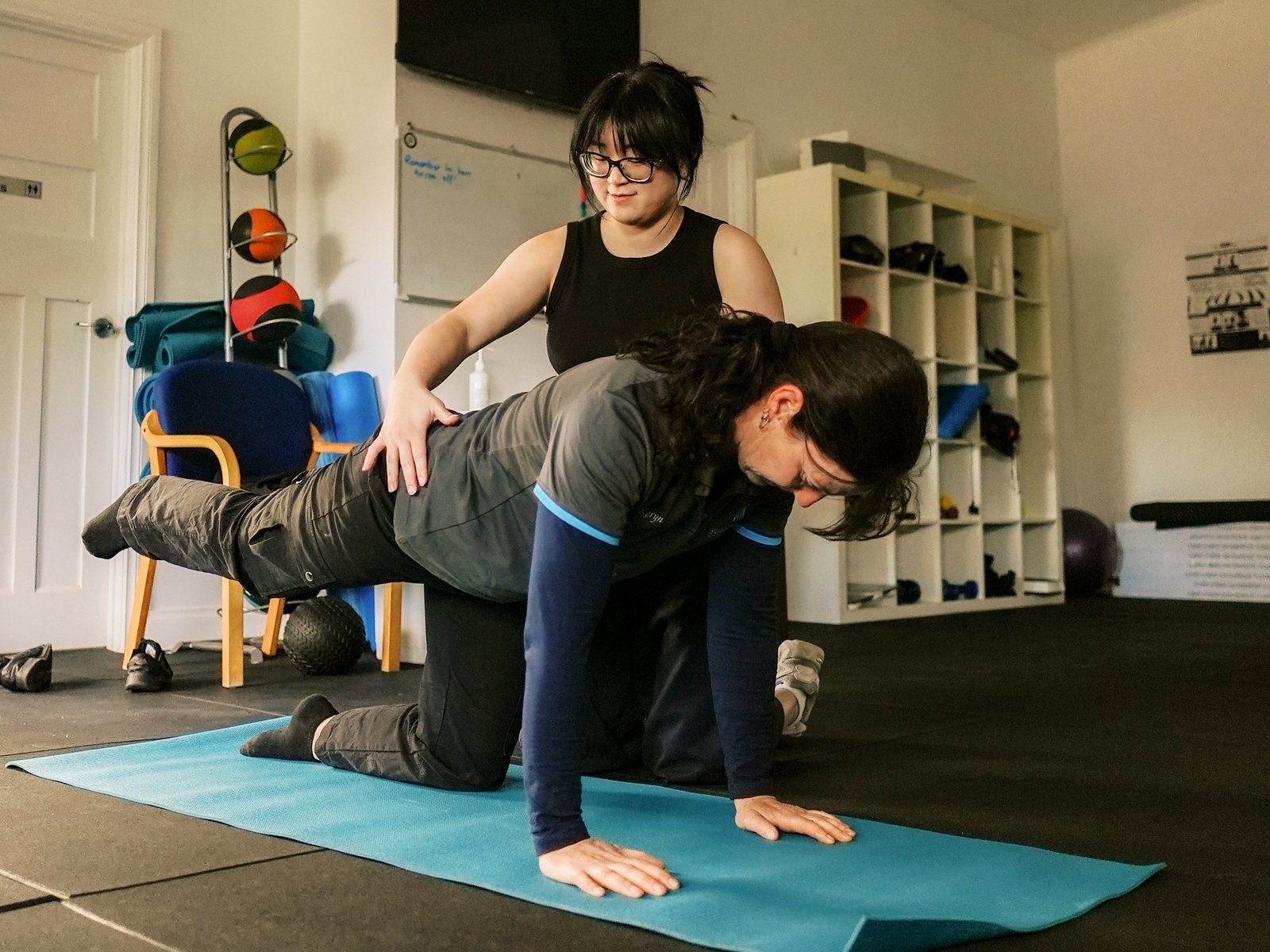
Groups work when clinical risk is low and supervision is close, so a clinical Pilates class capped at four or five people, led by someone who knows every participant’s history, suits a stable condition. A trainer-led circuit of fifteen people is a different proposition.
One-on-one is the safer default when the picture is unstable: uncontrolled blood pressure, recent hospital admission, unstable angina, desaturation during walking, a falls risk, or a first assessment where nobody knows how you’ll respond. Chronic disease management referrals also require one-to-one delivery.
Getting it funded
Medicare chronic disease management is the most common route. Your GP prepares the plan and referral, which covers up to five allied health services per calendar year. Those sessions must be one-to-one and run at least 20 minutes, and the referral only covers the visits written on it.
DVA funds exercise physiology for Veteran Card holders, though the provider has to be an ESSA-accredited AEP registered with DVA as a health care provider. A referral is currently valid for up to 12 sessions or one year, whichever ends first.
NDIS funding can cover exercise physiology where it links to functional goals in your plan. Private health extras typically pay a rebate, and many funds don’t ask for a referral. You don’t need a Medicare care plan to book privately.
What we ask before your first session
A screening form filled in properly beats any fitness test. At The Wellness Place we ask for your diagnoses and how long you’ve had them, every medication and supplement with doses, recent bloods, your GP and specialist details, what a bad day looks like for you, and any hospital admissions in the past year.
Bring the medication boxes if that’s easier than the list. If you’ve had a recent ECG, stress test or specialist letter, bring that as well.
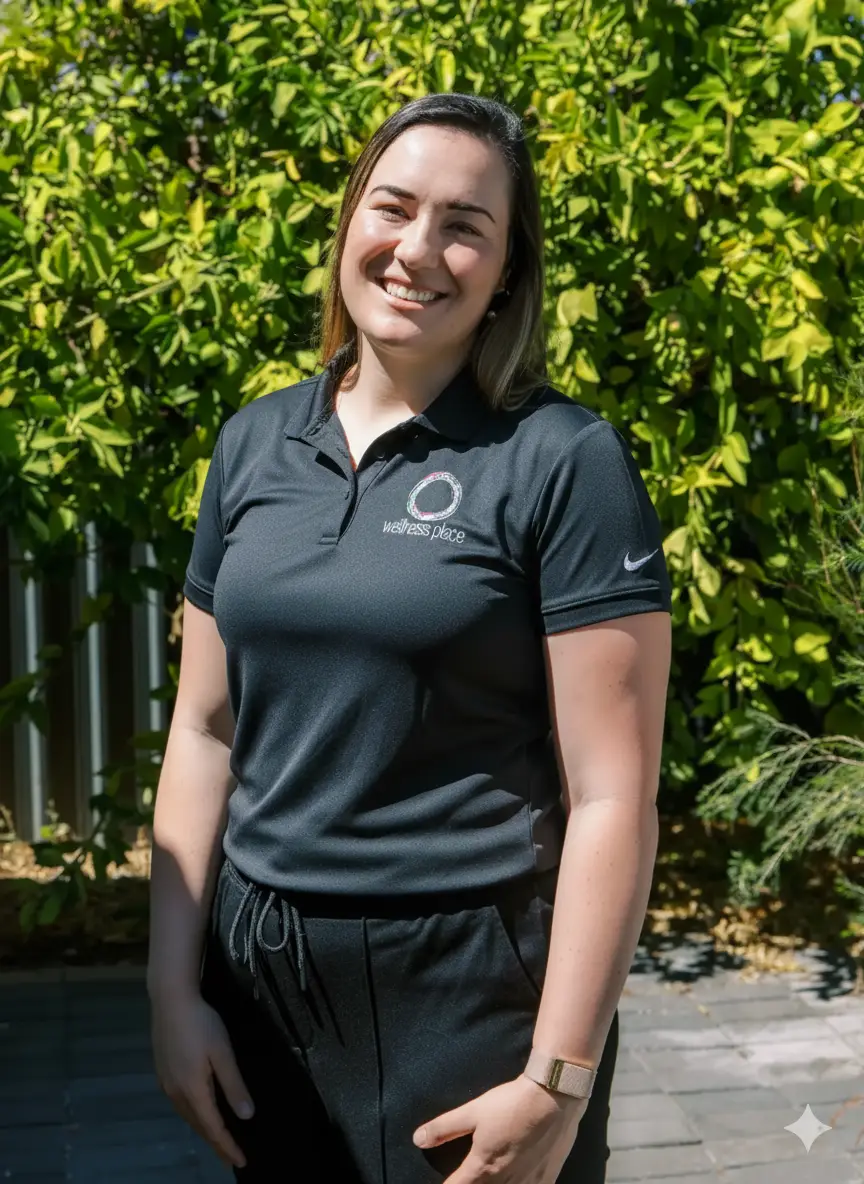
Carlos Bervenotti, our exercise physiologist, uses all of it to decide what testing is safe, how the first month should look, and when to loop your GP in.
| Qualification | Registration | What they can work with | Typical setting |
|---|---|---|---|
| Accredited Exercise Physiologist (AEP): ESSA-accredited 4-year degree, 360 hours practicum | ESSA | Diagnosed chronic, complex or acute conditions | Clinics, hospitals, aged care |
| Accredited Exercise Scientist (AES): ESSA-accredited exercise science degree | ESSA | Healthy clients and those at risk of chronic disease | Gyms, community programs, sport |
| Personal trainer: Certificate IV or Diploma in Fitness | AUSactive | Healthy, low-risk clients with fitness goals | Gyms, outdoor training, client homes |
References
- ESSA: What is an Accredited Exercise Physiologist
- healthdirect: Exercise physiologists
- Department of Health: Chronic disease allied health services
- DVA: Exercise physiologists
If you’re managing a diagnosis and want an exercise program that accounts for it, The Wellness Place in Bassendean runs exercise physiology, physiotherapy and clinical Pilates at 103 Old Perth Road. Call (08) 9379 3838 or book an appointment and bring your medication list.