When Should I See a Physio for Knee Pain?

Should I see a physio for pain in my knee?

Whether it’s a recent knee injury or a nagging pain that just won’t go away, you’ve decided to seek help. You’re probably wondering, ‘Should I see a doctor or a physio for my knee pain?’

The answer depends on your symptoms. While physiotherapists can treat a variety of knee injuries and reduce pain successfully, there are situations in which you should contact a doctor.

When should I see a doctor instead?

Some symptoms require immediate medical attention since they could be signs of a serious underlying condition, such as infection, a blood clot, a broken bone, or an injury that requires surgery. You should seek out a doctor’s care at the emergency department if:

  • Your pain is unbearable
  • Your knee looks misshapen or extremely swollen
  • Your knee or its surrounding tissue is hot or red
  • You have a fever

Also, you should consider making an appointment with an orthopaedic doctor if your knee will not bear weight, if it feels locked or incapable of movement, or if it shifts or gives way when you put weight on it – in this case, you may require knee surgery. Some conditions such as knee osteoarthritis that can’t be managed with regular exercise, a healthy diet, or equipment may require surgery.

Otherwise, a good physio can usually handle most types of pain of the knee joint and surrounding muscles and prescribe exercises and other interventions that can help you heal – and even prevent future knee trouble.

What can a physio do for my knee pain?

A Physiotherapist can assess and diagnose the cause of your knee pain and then provide you with a custom treatment plan that will relieve your pain and help you recover more quickly. Many of the exercises your physio prescribes for you will eventually help to strengthen the muscles surrounding your knee, giving your knee joint added support.

Dry needling and manual therapy may also be recommended.

Activity modification to help reduce pain e.g. if your diagnosis is runner’s knee, swapping it out for low impact exercise like cycling or swimming will help your knees and muscles recover faster.

Injuries such as patellar tendinopathy (patellar tendonitis or tendinitis) otherwise known as Jumper’s knee may benefit from cryotherapy and rest, but may also require specific biomechanics or strength training intervention.

If you’re dealing with knee pain that has given rise to chronic inflammation, your physio might recommend that you work with a nutritionist, massage therapist, or chiropractor to reduce the inflammation through a holistic approach.

In addition, physiotherapy is often an essential ingredient in your recovery from serious knee injuries. So, if you’re seeing an orthopaedic physician for a serious injury, your doctor will likely refer you to a physiotherapist at some point in the treatment process.

However, you don’t need to obtain a referral from a doctor to make an appointment with a physio. Physiotherapists have the qualifications to diagnose and treat most conditions that cause knee problems so long as the condition is treatable by physical means.

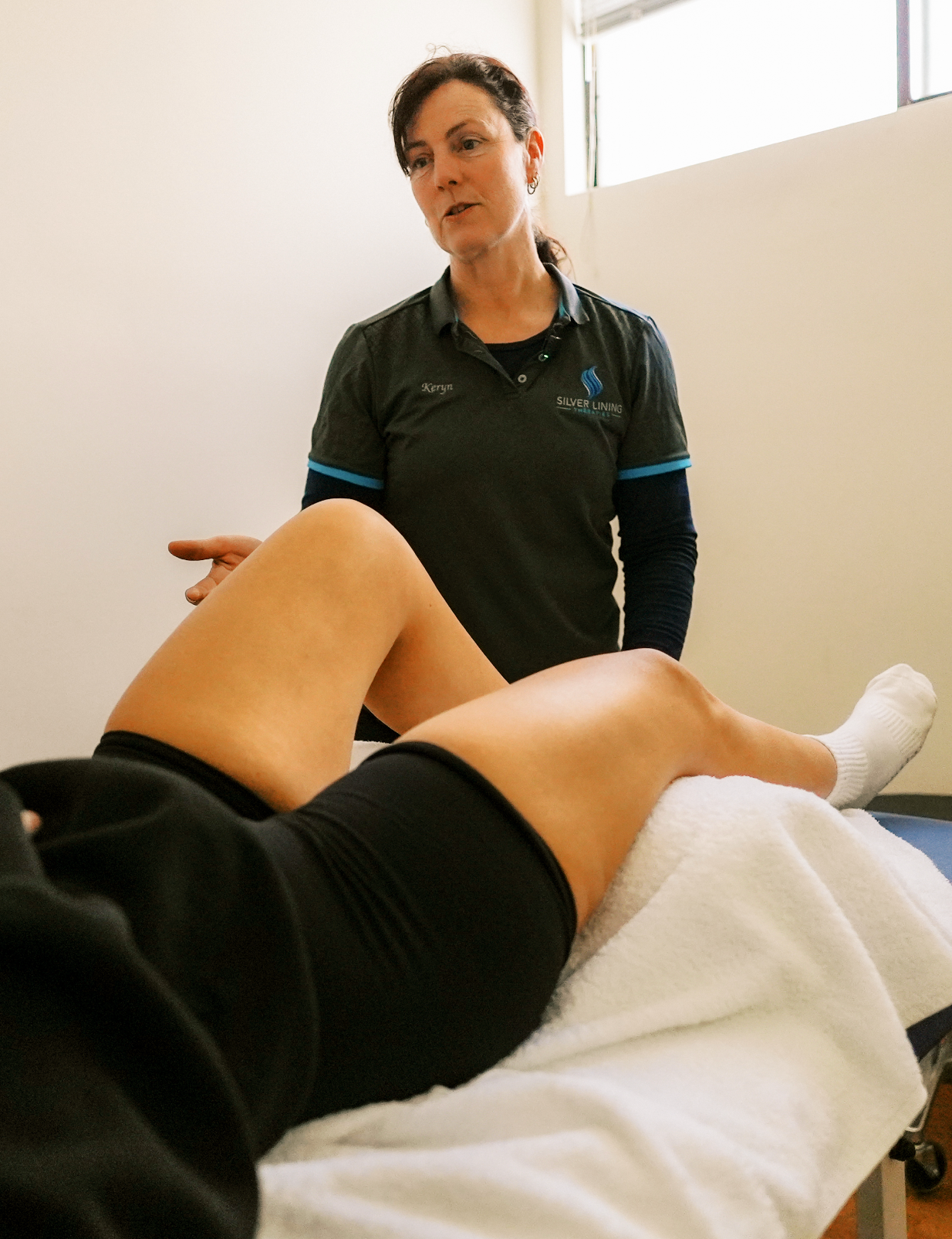
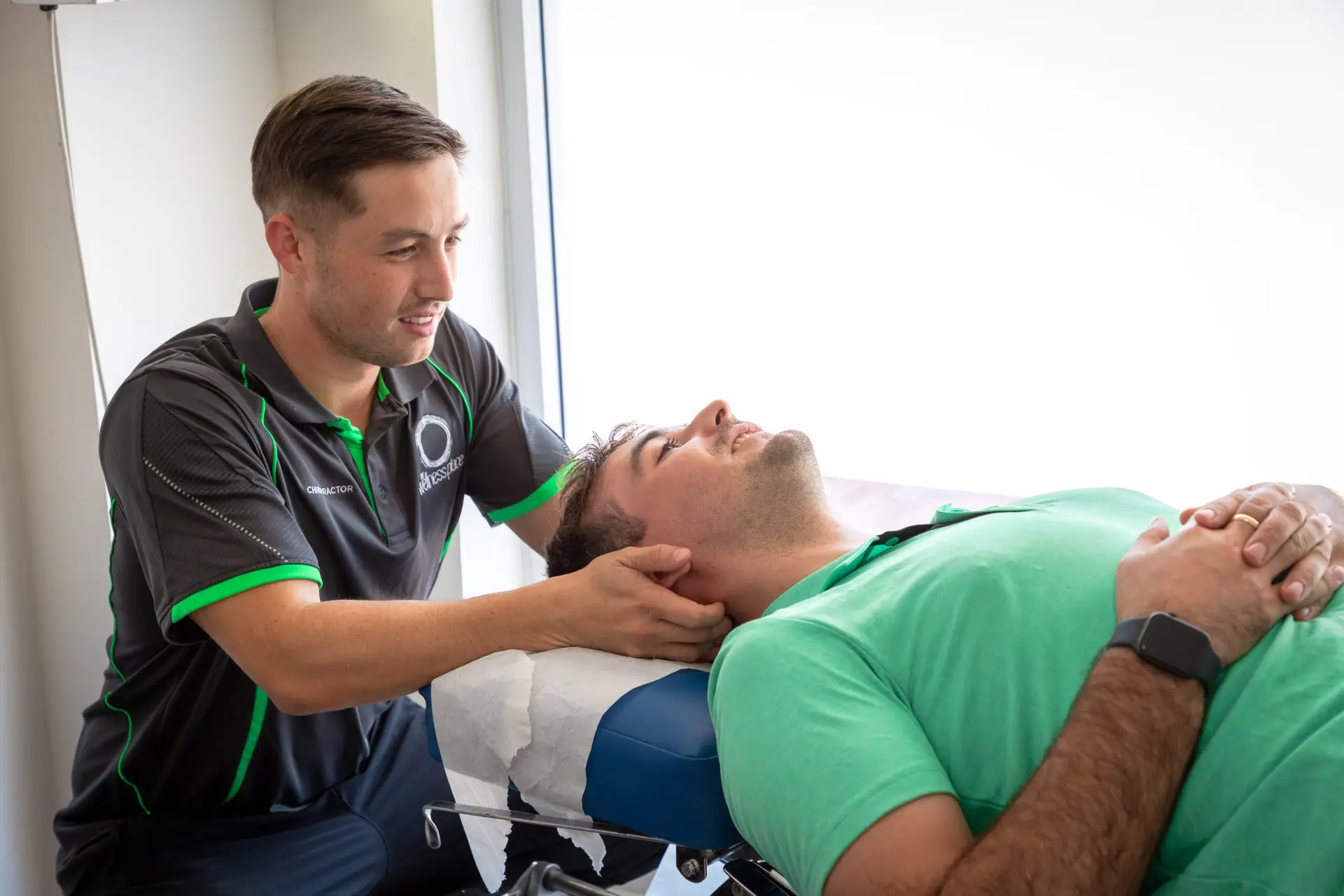
Physio treating a paitent for knee pain

Can I do physiotherapy for knee pain at home?

While treatments themselves occur inside the physio’s own facilities, your therapist will likely assign you some exercises that you can do at home to speed your recovery.

First, you’ll perform each exercise under your physio’s supervision to make sure you’re doing them correctly. Then, when you’ve mastered these exercises, you can perform them at home as your physiotherapist directs.

Exercise and other treatment options to treat pain affecting the knee cap, cartilage, muscles and ligaments will vary based on the condition causing the pain. Some of the best physio exercises for knee problems include:

  • Hamstring stretches
  • Calf stretches
  • Isometric quadriceps contractions
  • Straight leg raises
  • Calf raises
  • Low-impact aerobics
  • Postural correction exercises
  • Bridges
  • Knee extensions with resistance bands
  • Leg side raises with resistance bands

When you combine physiotherapy with home exercises, a healing diet (excess weight is a leading contributor), stress reduction, and other natural treatments, you’ll have a better chance of knocking your knee pain and muscle soreness out for good.

At The Wellness Place, we have a broad range of holistic therapies that treat the whole body. For professional medical advice, get in touch with our Perth-based team in Bassendean today.

Supporting the body pre and post COVID-19 vaccine and booster

Covid-19 and its many vaccines has probably been one of the most discussed topics over the last year. With the current mandates in place for WA regarding the covid 19 vaccine and boosters, you may be curious as to how to support your body naturally before and after the vaccine. While research is generally limited regarding the benefits of natural immune support alongside the covid vaccine, there are a few things you can try to prevent the incidence of unwanted side effects and boost recovery after. We asked our Naturopath, Meagan Grossman, what measures we need to take before we have our Covid-19 vaccine (or any vaccine for that matter).

Zinc 

Zinc plays an important role in the immune system. It also promotes wound healing, improves digestive function, and is involved in taste and smell. Consuming foods that are high in zinc such as oysters, red meat and cashews may be helpful in supporting your immune function following vaccination. If you are vegan, vegetarian or not consuming enough of the foods that are high in zinc; supplementation may be beneficial. It is always best to consult with a naturopath regarding any supplementation to ensure you are taking a supplement that is most suitable to your needs. 

High dose vitamin C 

Vitamin C is a potent antioxidant that is essential for immune system function. Consuming foods that are high in vitamin C may be beneficial for immune support and recovery post covid vaccine. Some foods high in vitamin C include: 

  • Blackcurrants 
  • Capsicum
  • Kiwi fruit 

Supplementation of vitamin C can also be helpful but again, it is always best to consult with a Naturopath to get the right product for you. 

Vitamin D 

Vitamin D is otherwise known as the sunshine vitamin as the sun’s UV rays are converted by the body into vitamin D. With a lot of the population working indoors, low vitamin D levels are generally common among Australians – particularly during the colder months. Vitamin D is important for optimal immune function and bone health. While most of our vitamin D comes from the sun, some foods contain high amounts of vitamin D. 

Ways to increase intake of vitamin D: 

  • Get outdoors more, try exercising outdoors instead of in the gym or eating your lunch out in the sun.
  • Increase intake of foods that are high in vitamin D such as mackerel or sardines. 
  • Consider supplementation during winter or as part of your preparation for your covid 19 vaccine. 

Cardiovascular support

Support cardiovascular health by increasing your intake of omega 3 rich foods such as fatty fish or start supplementation of a good quality fish oil. Herbs such as Ginkgo biloba and Astragalus membranaceus may also be helpful in supporting cardiovascular health post vaccination. 

Herbal medicine

Herbal medicine is rich in antioxidants and plant constituents that may assist in supporting the whole body following vaccination.

When considering a diet plan or supplementation, it is always best to consult with a Naturopath to ensure the product is right for you and your needs. Do not start supplementation without consulting with a health practitioner first as it may interfere with the current medication you are taking. 

Take away

Diets high in fatty fish, a wide variety of fruits, vegetables, and nuts are important to maintain optimal health during times of increased stress (ie. following a covid 19 vaccine). Getting outdoors often is important to ensure optimal vitamin D levels are maintained. If you feel your diet is not meeting its nutrient requirements, discuss a diet plan with a nutritionist and consult with a Naturopath if you feel supplementation is necessary. 

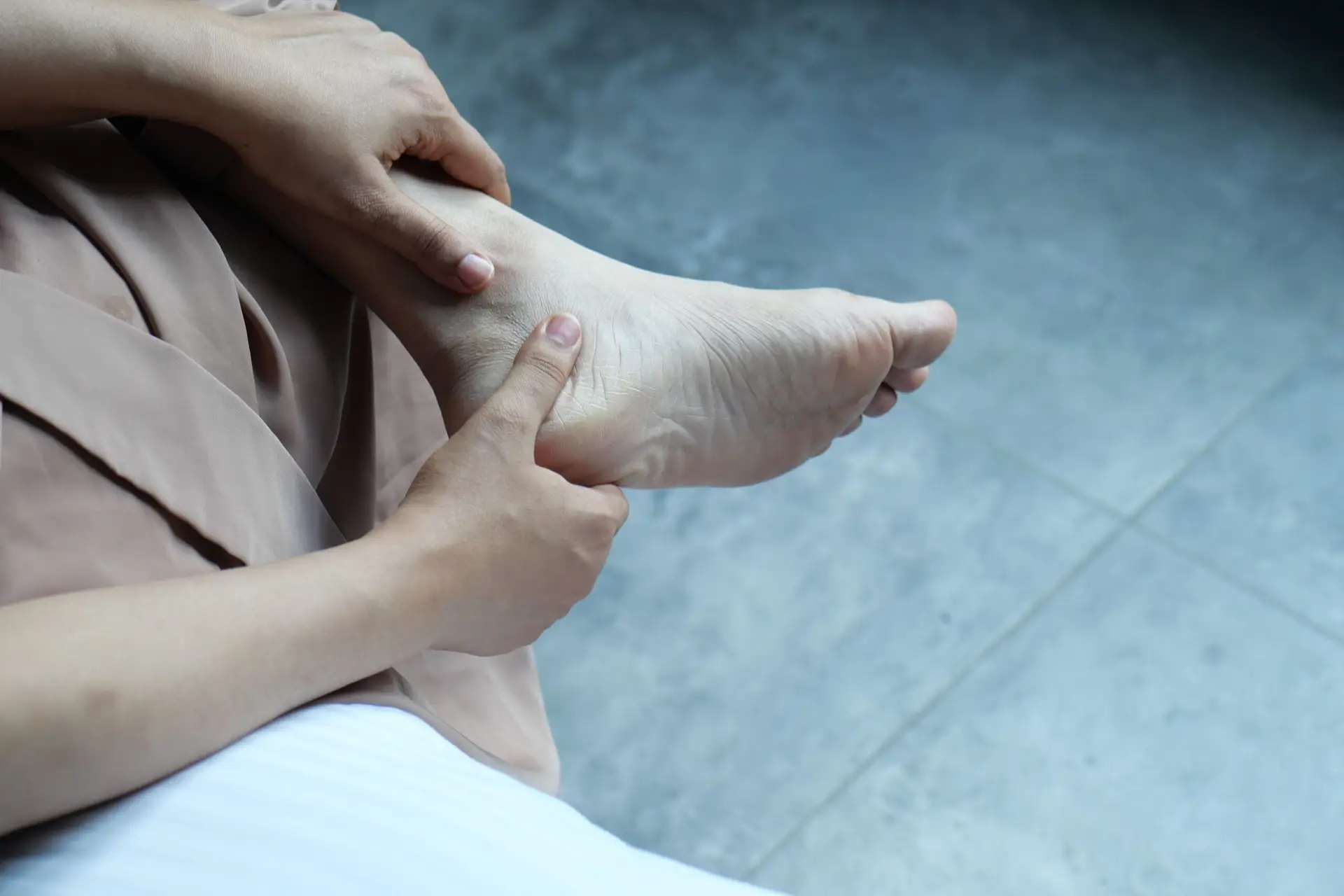
Plantar Fasciitis – What is it? How do I treat it?

Plantar Fasciitis also known as Plantar heel pain (PHP) or Plantar fasciopathy is a common condition that affects the heel in over 2 million people each year. It is estimated that almost 10% of the general population is affect by PHP at some point in their lives.

The terminology is also a point of contention with the suffix “-itis” often incorrectly indicating that there is an inflammatory process underlying which histological studies of the plantar fascia reveal is not the case. There can be inflammation of surrounding soft tissues etc but not of the plantar fascia itself.

Anatomy and Function

The plantar fascia or plantar aponeurosis is a fan shaped connective tissue attaching onto the calcanea tubercle and fanning to attach onto the more distal aspect of the plantar metatarsal heads. There is a medial, central and lateral band. It is composed of Type 1 collagen fibres which is also what tissues like the Achilles and patella tendons are made of. The plantar fascia serves as an elastic storage of energy during the gait cycle storing energy during the transition from heel strike to toe off during walking/running, in particular the extension of the big toe and lesser toes leads to the “Windlass effect” which can be likened to a series of pulleys which engage the medial band of the plantar fascia and central/lateral bands respectively.

Symptoms

There are several hallmark symptoms that feature in most cases such as a throbbing medial plantar heel or pain after the first steps after a period of inactivity or rest. Palpating the medial aspect of the plantar calcaneus generally produces a sharp stabbing pain. It is imperative that an accurate diagnosis is obtained, as the management for other pathologies can be quite different.

Differential diagnosis

Generally a thorough clinical history and examination will elicit a satisfactory clinical diagnosis, however, imaging modalities such as ultrasound and MRI will rule out other causes of heel pain. Some other pathologies that can present quite similarly include:

-Fat pad bruising

-Bursitis

-Baxter’s Neuritis or Neuroma

-Calcaneal Stress fracture

-Muscle strain

-Insertional Achilles tendinopathy (more posterior located pain)

A sonographic image of PHP will typically show thickening of the plantar fascia at the insertion (>3mm thickness is clinically significant) or minor or partial tearing. Although the presence of significant tears will often be accompanied by a traumatic event or memory of a particularly sharp, painful sensation during movement.

Risk Factors

We know this condition to be particularly prevalent in those with high BMI, taller or in occupations with long periods of standing. It can often be brought about where there is a high spike in training loads or “too much too soon” as far as exercise or physical activity. This can precipitate due to lack of time allowing for adaptation of the connective tissues. Inactivity can also be a factor, with occupations where there are lengthy periods of sitting, which leads to shortening and tightening of hamstrings and calves which can affect the plantar fascia function.

Calf tightness and poor ankle mobility are often factors in PHP, due to the Achilles tendon and plantar fascia sharing fascial attachments and a common anchor point in the calcaneus.

Footwear can be an important consideration, where tight toe boxes, high heels and poor cushioning can negatively impact the function of the feet and lead to development of foot pathologies.

Management

In the initial term use of rigid taping to perform a low dye strapping is highly useful to unload the painful plantar fascia and provide support for the medial arch during ambulation. This can be continued up to 2-3 weeks on initial management. This also forms a good test to evaluate whether the use of orthoses will provide pain relief and improvement of biomechanics.

Often, we have to address the proximal factors such as excessive calf tension that is restricting the ankle and puling tension through the plantar fascia. A dedicated calf stretching and strengthening regime should effectively lengthen the calf muscle whilst improving strength in the plantarflexors at the ankle and muscles of the foot.

Careful examination of the patient’s gait cycle and biomechanics may reveal some clues that may contribute to the pathology. We may look to optimise this in the form of orthotic therapy and footwear prescription. It may be the case that certain footwear is exacerbating the issue or is providing poor off-loading or cushioning of the painful insertion point of the plantar fascia. This is where we could look to improve cushioning with appropriate footwear options or orthotic accommodations.

Manual Therapies and Other Interventions

In the case of recalcitrant cases of PHP, we may look at further interventions such as Extracorporeal Shockwave Therapy, Plasma Rich Platelet injection or Corticosteroid injection.

There is poor evidence for good long term outcomes with CSIs and PRP, however some promising results have emerged looking at ESWT in treatment of PHP. Often times, combinatorial therapies such as Stretching/Strengthening of calf muscles and ESWT have had great synergistic effects. The bottomline being to address the factors that are contributing, as PHP is often of a multifactorial cause.

Dry needling and soft tissue therapy, despite poor evidence in the literature, can have benefit as far as pain relief and improvement of symptoms or excessive muscle tension, and can be a useful adjunctive therapy.

What is the Importance of Microbiome – We ask Meagan Grossman, our Associate Naturopath

The importance of microbiome

Bacteria is all around us – including inside and outside our bodies. In years gone by, beneficial bacteria were only considered in relation to our gut, however, as it turns out, we are completely covered in a balance of good and bad bacteria. In your gut alone, you will find about 100 trillion balanced good and bad bacteria. Collectively, these bacteria make up what is called the gut microbiome. There is a bidirectional relationship between the gut and the brain which is termed the gut-brain axis. There is also a balance of bacteria on our skin which maintains skin health and prevents infections and bacterial overgrowth.

In regard to healthcare, the microbiome should be considered as a starting point for all chronic health conditions and health optimisation. The reason for this is that the diversity of the microbiome is essential for mental health, immune function, nutrient absorption, metabolic health and much more. The function of the microbiome is so significant that it has now been termed the ‘forgotten organ’.

At birth, the human gut is completely sterile (unlike that of a chicken who is born with a diverse range of bacteria in their gut) and relies on the mother and environment around them to introduce the foundations of their microbiome. Some research suggests the importance of nature time for children and their microbiome and mental health development. A recent study in 2020 researched the effect of nature time on gut microbiome quality, fecal serotonin, and psychosocial behaviour in children. The study found that the children who were allocated nature play had a more stable level of fecal serotonin; while the other children displayed a decrease in fecal serotonin. Serotonin is involved in mood stability and feelings of happiness. Because of its involvement in mood, you would assume most of your serotonin is found in the brain. However, most of your serotonin is actually found in the digestive system. That said, it makes sense that the children who were allocated nature time during the study also showed a decrease in anger frequency and improvements in prosocial behaviour. These improvements in behaviour may result from the improvements in microbiome quality and diversity which were observed in the children with nature-play time.

The quality of the microbiome impacts mood and mental health. This relationship is termed the gut-brain axis. The gut-brain axis is a newly researched bidirectional relationship between the digestive system (and associated microbes that live in there) and the brain. While the quality and diversity of the microbiome impact mental health; stress and lifestyle changes associated with excessive stress (eating less or eating more calorie dense foods, poor sleep, alcohol consumption etc.) can cause bacteria to die off which has a detrimental effect on mental health.

Foods high in good bacteria:

  • Yoghurt – try and avoid yoghurts high in sugar, Vaalia and Siggi’s are some good brands to try.
  • Kombucha – avoid kombucha flavoured treats, they often don’t contain any beneficial bacteria and are typically just used as a marketing tool
  • Kefir
  • Pickled vegetables – these are super easy to make at home and are a great addition to eggs, salads, and avocado toast.

    Good health begins in the gut. Ensuring you are eating a nice diverse range of bacteria can improve overall digestive function, mental health, immunity, and a wide range of other health outcomes.

Inflammation: Friend or Foe? | We ask Dr. Soroush Ebtash!

Almost everyday we talk to our patients about the role of your immune system in pain and inflammation.

It’s easy to forget that the immune system that is responsible for fighting germs and illness is the same immune system that produces the inflammation that heals sprained joints or causes arthritic joint pain.

It’s also easy to forget that inflammation in itself is not good or bad. It’s a response from specific cells and systems in the body in response to a perceived threat.

While chronic inflammation can have negative effects on your heart, arteries, and brains, we need acute inflammation to help heal from injuries and to fight off infectious diseases.

A key lynchpin to an appropriate immune and inflammatory responses goes back to the brain and nervous system.

Acute inflammation acts like a reflex not much different than when a doctor taps on your knee to see if it kicks. If you have a cut or scrape, your immune system will kick into gear to wall that area off from germs and create heat and swelling and there’s nothing you can do about it. It’s embedded into our physiology.

However, chronic inflammation is something in which our brains have a say. Exercise, nutrients, fasting, meditation, and a wide variety of interventions have the ability to use our brain to modify how our immune systems produces inflammation.

It’s through this understanding that we have the ability to help address some of the chronic inflammation that leaves us susceptible to the chronic diseases of aging.

If you have concerns about inflammation and how it is affecting your body, feel free to reply to this email with your questions, and we’ll get back to you if we have good answers.

Coffee – is it bad for me? | We ask Meagan Grossman, our Naturopath

Here at The Wellness Place, we sure do love our coffee! In fact, after water, coffee is reported as one of the most widely consumed beverages in the world. There is nothing better than a good ol’ cup of coffee first thing in the morning, however, only a few years ago we were learning about the dangers of coffee consumption particularly regarding blood pressure, racing heart and impaired sleep. Luckily for our energy levels, the research is now suggesting some interesting health benefits linked to coffee.

Coffee is produced from the dried seeds of the Coffea arabica and Coffea canephora (known as “Robusta”) plants. These are then roasted and ground to create our beloved espresso.

Interestingly, the World Health Organisation used to have coffee listed as a carcinogenic agent but was removed from this list in 2018 in light of updated research where the International Agency for Research on Cancer (2016) found that it is unlikely that coffee has any effect on the risk of developing cancer of the pancreas, bladder, prostate or breast. In fact, they also found in this review that coffee may exhibit a protective effect against the development of liver and endometrial cancers.  

Coffee beans are rich in certain plant constituents such as polyphenols, soluble fibre and potassium which may exert a beneficial effect on the cardiovascular system which is made up of the heart and blood vessels. Coffee is also rich in antioxidants which help to fight free radicals in the body and reduce inflammation. Among its beneficial constituents, is an alkaloid we all know very well as caffeine. Caffeine is a stimulant that increases activity of the brain and nervous system. It also increases circulation so it is important to note that it can increase circulation of stress hormones such as adrenaline and cortisol. 


Caffeine is well absorbed by the body and you may notice it’s effects within 5-30 minutes after consuming it. You may notice an increase in mental alertness, focus and physical exertion and reduced feelings of fatigue after a cup of coffee. 

In recent years, research has shown coffee consumption to be associated with a decreased risk of developing the following:

–   type 2 diabetes 
–   cardiovascular disease (including heart attack and stroke)
–   Dementia
–   Glucose tolerance
–   Hyperglycaemia
–   Insulin sensitivity
–   Parkinson’s disease
–   Liver cirrhosis
–   Gout 

Should you drink coffee?

If you do not like coffee or are more susceptible to side effects, it is probably best to stay away from it. For those of us that do like coffee however, growing research has shown the potential health benefits of coffee consumption but it is important to avoid it in the afternoon where possible to prevent any sleep disturbances.

As you have probably experienced, going overboard with your coffee consumption can produce some uncomfortable side effects including:

–   Anxiety
–   Insomnia
–   Digestive disturbances including diarrhea, nausea and heartburn
–   Headaches
–   Jitters and heart palpitations

If you already have anxiety or insomnia, it’s probably best to avoid drinking coffee while you address the root cause of these issues due to the risk of exacerbating your symptoms.

Like pretty much everything, the effect coffee will have on you is variable from person to person and should not be consumed in excess.

Why You Should Sit Up Straight? | We ask Dr Soroush Ebtash.

Remember when your mother used to say things like, “Eat all your vegetables.” And, “Look both ways before you cross the street.” Well, let’s not forget her mantra, “Sit up straight!” I catch myself reminding my kids on daily basis too.

So many people today work in sedentary jobs that require them to sit for most of the workday. However, whether sitting at a desk, a football game, or in front of a television set, good posture is imperative to your spinal health. And poor postural habits are a leading contributor to neck and back pain.

It has been a concern of mine in the last few years to note even a more drastic change in the spinal presentation of youth and teenagers with reverse spinal curvature in the neck and accentuated curvature in the mid-back regions. While I consider that there are many reasons behind this, I would also stipulate that the introduction and utilisation of hand-held devices have something to do with this rapid change.

Checking Your Posture

Let’s take a look at how you’re sitting right at this moment.

  • Are your feet flat on the floor, with your knees at a 90-degree angle?
  • Are your buttocks, back, and shoulders up against the backrest of your chair?
  • Does the chair you’re sitting on, provide enough lumbar support?
  • Does the backrest fit into the natural curve of your spine?
  • Are your shoulders relaxed and even, not hunched in a forward position?
  • Is your bodyweight equally distributed across both hips?
  • Are your knees level with or slightly higher than your hips?

If you answered “No” to any of these questions, you are probably exerting undue stress on your spine; this will eventually cause back pain.

Change How You Sit
Keep in mind that it is not a good idea to sit in the same position for more than 40 minutes. Chronic slouching can lead to semi-permanent postural and structural changes and may affect the discs between the vertebrae to cause them to bulge or become herniated.
Take the time to stand up and stretch your back and legs or take a short walk periodically. Australian Chiropractors’ Association has released a widget that can be downloaded for free on your computers to remind you every 30min to change your posture, take a mini-break, go for a walk or do some stretches. I highly regard this initiative.
If you’re already finding that back pain is creeping into your life, give us a call on 08 9379 3838.

Pregnancy Massage – What is it & Should I get one?

The Wellness Place offers pre-natal massage with the comfort of our exclusive pregnancy massage table. Our highly experienced and qualified team of therapists are available to help ease your aches and pains caused by the changes your body will undergo over the next 9 months.

Pregnancy or Prenatal massages are slightly different from the typical relaxation massage that you may have gotten in the past but the benefits are mostly the same. During pregnancy, the body goes through some amazing and wonderful changes as your baby grows but those changes cause you to feel aches and pains throughout your whole body. At The Wellness Place we have an adaptive pregnancy massage table that allows you to have a safe and comfortable massage which can accommodate the bodies growing belly and breasts and not cause discomfort while lying down.

Research has shown that massage can reduce the stress hormones in the body and relax and loosen your muscles. It also can increase blood flow around your body or to a certain area which is extremely important while you’re pregnant. Prenatal massages can aid your lymphatic system and if you don’t know, the lymphatic system is super important during pregnancy. While the growing foetus has the placenta which filters most of the harmful toxins in the body, it doesn’t stop viruses from entering their bodies. The lymphatic system helps to filter the body of harmful toxic build up, viruses, reduces inflammation and cleanses the blood cells. (it also aids in the reduction of swelling in your feet!!)

During pregnancy, regular prenatal massages may not only help you to relax, but may also relieve:

  • Insomnia
  • Joint pain
  • Neck and back pain
  • Leg cramping
  • Sciatica
  • Swelling in your hands and feet
  • Carpal tunnel pain
  • Headaches and sinus congestion

So, if you are at this exciting time of your life, why not reward yourself with some relaxation and time out on the massage table! Or if you are in a bit of pain with your pregnancy, let us help you! It’s time to look after you!

Helping Others Gain Better Health | We Ask Dr Soroush Ebtash

Probably one of the most gratifying aspects of practicing health care is witnessing each patient’s journey from pain to relief. Eyes brighten. Postures improve. Hope returns.

It’s a great feeling and mentally gratifying. This only becomes possible when you share your experience with others and inspire them to begin care. As the old saying goes, the biggest thank you we receive as health practitioners is a referral.

So if you know someone who may benefit from care, please “share the love” and let them know about your experience. 

Here’s a few simple ways you can help others:

Request information. We have educational materials designed to help introduce your family or friends to care offered at The Wellness Place. Just ask or direct them to our website.

Tell family and friends. Share your experience and your journey from pain or difficulties you may have had to your current state. You would be surprised to know how many others may be looking for some solutions or help.

Bring them along. Do you know someone who could benefit? Bring that person along with you on your next visit so he or she can tour our practice, meet the team and ask questions.

Arrange a time for a chat.  All our practitioners are very happy to have a conversation with any of your family/friends who may be wondering if the care can assist with their condition. Let our friendly admin team arrange a time for one of the practitioners to contact you to have a “chat”.

The Wellness Place continues to thrive because of delighted patients like you telling others about today’s safe and natural approach to healthcare.

We cannot thank you enough and appreciate your support.

What do Michael Jordan, Tiger Woods and Arnold Schwarzenegger have in common? | We ask Dr Soroush Ebtash

At The Wellness Place, we have been looking after athletes day-in day-out. Some of these athletes have been seeking physiotherapy care and some have chosen to see our chiropractors. Traditionally, most athletes are used to seeing physios for their injuries, however sports chiropractic is fast becoming a growing area of speciality within the chiropractic profession. 

Many big names in sports such as Michael Jordan, Evander Holyfield, Tiger Woods, Arnold Schwarzenegger, Tom Brady, Joe Montana, Usain Bolt and many others have turned to chiropractic care as part of their routine care to enhance theirperformance. 

Even locally, you would be pleased to know that while Dr Soroush Ebtash looked after the WAIS cycling team, almost all athletes who received chiropractic care, scored their PB on the track. Similar impressive results were also noted when Dr Soroush Ebtash looked after the Swan DistrictsFootball Club over 8 years and the club recorded the lowest statistics of non-impact injury list in its history.

If you’re an athlete, you understand the importance of keeping your mind and body in tip-top shape with exercise, healthy foods and plenty of rest. However, some of these results above may be surprising to you.

If you wondered how athletes benefit from chiropractic care, here’s why:

Better mind-body awareness. By improving your neurological and musculoskeletal functionality, your body can perform to the best of its ability. This means proper, free-flowing signals between your brain and body.

Improved coordination. Cerebellum is the part of your brain which controls your coordination and It receives its input from different parts of your body. The joints in your spine and extremities are crucialto “feeding” your cerebellum. 

Your chiropractic adjustments provide your brain with the necessary input and information for it to perform optimally. Chiropractic is a completely natural solution to bringing your body into peak performance mode, which means you’re moving with ease exactly how your brain is telling you to.

Heightened flexibility. Proper movement on the field or the court can help prevent future injuries, keeping you in the game longer. Optimal movement is directly dependent on correct alignment. Your chiropractic adjustments ensure you are aligned and moving correctly and comfortably. 

Know an athlete that could benefit from our care? Give us a call on 08 9379 3838.