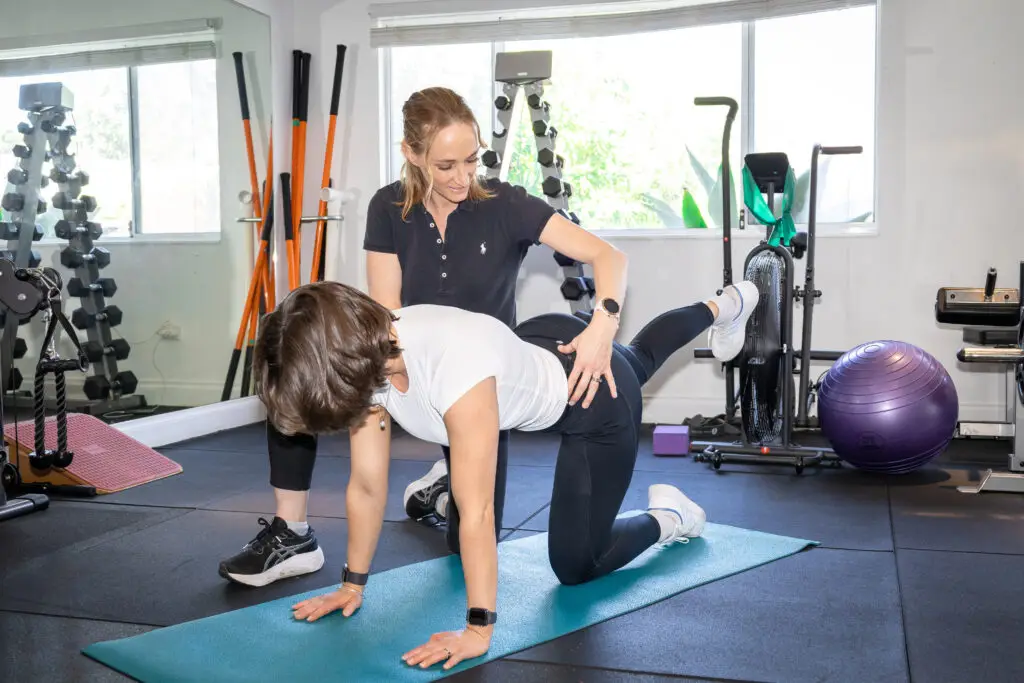
When you injure a muscle, joint, or ligament, the first instinct is often to rest. While rest can help during the initial acute phase, relying on rest alone rarely leads to full recovery.
Modern injury rehabilitation uses a balance of rest and controlled activity. For example, after a mild ankle sprain:
Pain is not always proportional to tissue damage. Staying completely inactive can make the nervous system more sensitive, leading to stiffness and discomfort even after the tissue has healed. Controlled movement helps “retrain” the nervous system to tolerate normal activity again.
A recreational runner tears a calf muscle and spends two weeks on complete rest. When they try to resume training, their ankle feels stiff, muscles are weak, and the nervous system signals pain more easily. Gradual strengthening and controlled movement would have maintained muscle function and accelerated recovery.
Rest alone is not enough for injury recovery. Early, guided movement helps muscles, joints, and the nervous system recover more efficiently, reduces long-term stiffness, and lowers the risk of re-injury.
Reference:
O’Connor, K. M., et al. (2019). The importance of early movement in musculoskeletal injury recovery. Journal of Orthopaedic & Sports Physical Therapy, 49(11), 841–851.